
Hordes of Hawfinch
Michael Blencowe
People and Wildlife Officer
We’re just feeling the first frosts of winter. At this time of the year we look to the skies to watch birds arriving in Sussex, escaping the Big Freeze in northern and eastern Europe. After the cold weather last week my local patch was invaded by hundreds of fieldfares and redwings. Ducks, geese and swans are heading our way too as the lakes and wetlands to the north start to freeze over. In some years we have some real winter birdwatching superstars in Sussex; short-eared owls, great grey shrikes, smew, bitterns - but this year a surprise special guest has stepped into the spotlight.
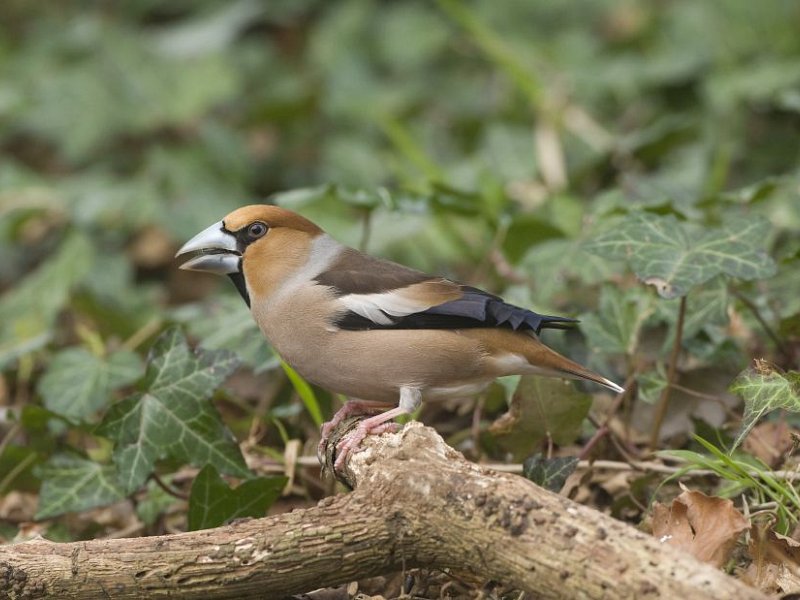
The hawfinch is a rare breeder in Britain. About 500-1000 birds nest in this country with, at best, just a couple of breeding records each year in Sussex. Its rarity is coupled with a surprising elusiveness. For a chunky, colourful finch hawfinches are very hard to locate and observe. Once you spot one there’s no mistaking them though because of that beak. It’s huge! Designed to crack seeds this incredible beak is famous for its ability to crack cherry stones. It’s amazing that this little bird can stand-up – you’d half expect that heavyweight beak to send it tottering face-first to the floor.
For the past few weeks there have been much higher than usual reports of hawfinches all across Sussex. The BTO estimate the numbers in the UK at the moment are 12 times the average for this time of year. These numbers indicate that the hawfinch has probably had a very good breeding season in its native European woodlands and, as winter closes in, flocks are having to fly to find food. England, as well as other southern European countries, is being invaded.
With hordes of hungry hawfinches on the prowl there’s never been a better time to see this bird in Sussex. With the trees bare they can’t perform their usual disappearing act and, in some cases, have even been visiting garden bird feeders. Keep a look out for these big-beaked brutes over the winter and report your sightings here.
Comments
Re: Long tailed tit article in Viva Lewes
Dear Michael, Even by your high standards, I thought the piece on long tailed tits in December’s Viva Lewes was a masterpiece. I didn’t know much about the species but you have brought them to life so vividly and the link to family at Christmas was a great touch. Best wishes Nick Mitchell
29 Nov 2017 15:32:31
Couldn’t agree more with Nick. Beautiful piece of writing. Thank you Michael!
30 Nov 2017 14:10:14
Thanks for the kind comments folks. Glad you liked the Long-tailed Tit article – I loved Mark’s illustration. We’re gonna get ‘round to putting ‘em all together in a book one day.
30 Nov 2017 18:16:14
Hi Michael – thanks for the information :) Where do you think might be the best places to spot Hawfinch around East Sussex? I am based in Lewes, so if you know of any particular spots in the area, would love to hear!
01 Dec 2017 09:01:27
Hi Yash, Hawfinches are popping up all over Sussex. If you’re walking in the countryside – in the East or West – you could bump into them. I went for a walk on the Hampshire border at South Harting last weekend and saw a pair there and saw one at Woods Mill during the week. A reliable site is near SWT’s West Dean Woods nature reserve. Take a walk around there and check the trees around Staple Ash Farm. Otherwise I suggest keeping an eye on Sussex Ornithological Society’s recent sightings page where people are reporting Hawfinch sightings from across Sussex.
01 Dec 2017 10:27:40
Great, thank you Michael!
01 Dec 2017 19:31:26