
Fish tail tales

Fish use their tail fin, also known as their caudal fin, as their primary means of propulsion while swimming. But you may have noticed that different species of fish have different shaped tails. These different shapes have evolved over time depending on the lifestyle of the fish.
Lunate

Lunate tails are built for speed - fish with this caudal fin shape are some of the fastest fish in the ocean, and can maintain speed for a long period of time. Lunate tails are pointed but not sharply forked and have a small surface area. This means they cannot turn easily or swim backwards. Large, fast predatory fish have this tail shape – think tuna, marlin and swordfish. These fish are migratory, and travel long distances in search of food. They often feed on bait balls of smaller fish and have to put on sharp bursts of explosive speed to catch their prey.
Forked

Fish that are active, continuous swimmers tend have forked tails. They can put on bursts of speed but don’t swim fast all the time. The more active the fish is, the deeper the fork is. Fish with this tail shape include herring (Clupea harengus) and mackerel (Scomber scombus). Forked tails have more surface area than lunate tails which gives them more manoeuvrability.
Rounded Tails
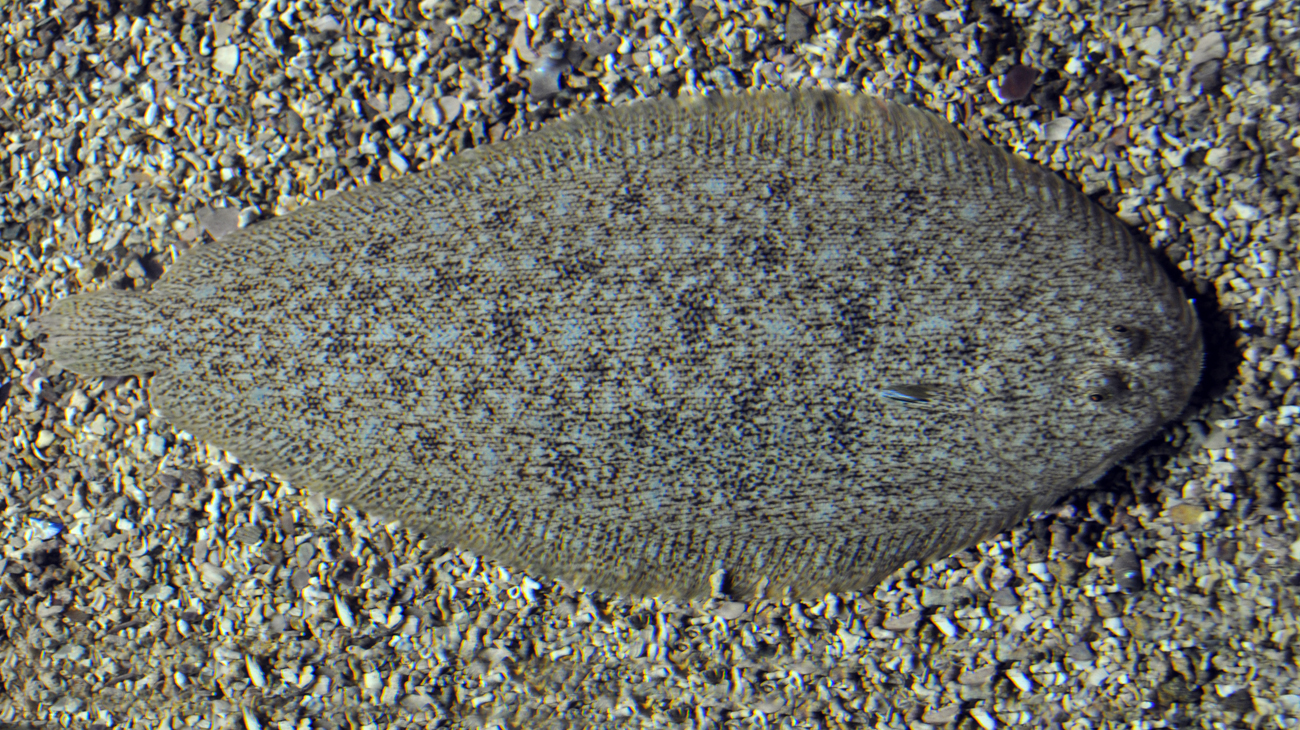
Fish with rounded tails are usually fairly slow swimming but can put on short bursts of speed. Some species of flat fish have this tail shape, such as dover sole (Solea solea) and brill (Scophthalmus rhombus). Flat fish are ambush predators – they stay still and camouflaged on the seabed until they put on a burst of speed to catch their prey.
Truncate
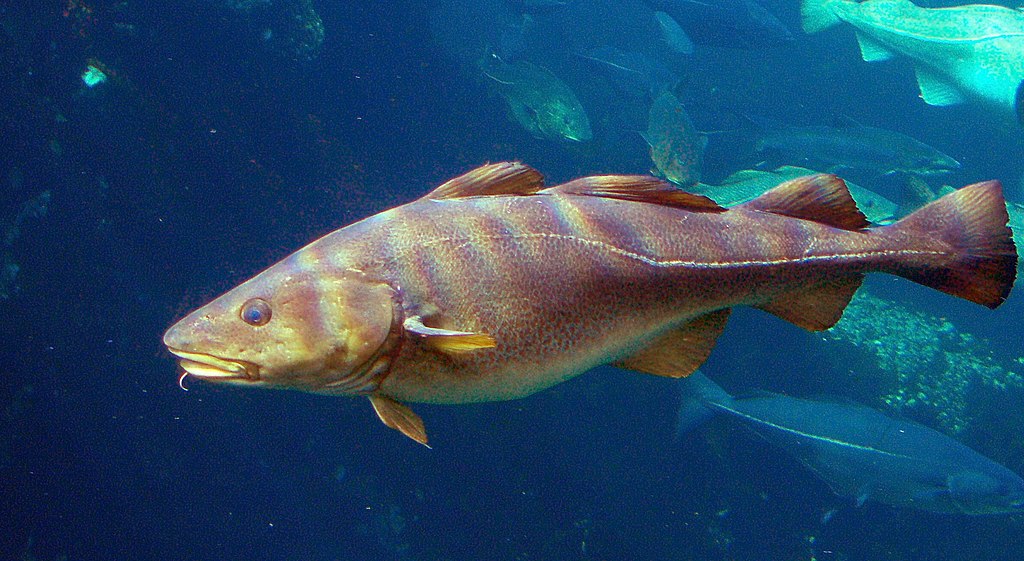
Truncate tails look triangular, with a flat edge and no noticeable lobes. Fish with this tail shape are generally very manoeuvrable due to the increased surface area of the tail, but tend to lack speed. They can however put on bursts of speed when needed. Cod (Gadus morhua) have this tail shape.
Shark tails (main image) also come in a variety of different shapes, but in general they are asymmetrical; the top lobe of the tail fin is bigger and longer than the bottom lobe (though some sharks’ caudal fin lobes are of almost equal size). They are also sharply angled upward. This shape allows sharks to swim through the water with great speed and ease. In fact, sharks are some of the most powerful and efficient swimmers in the ocean!