
Fantastic Mr Fox
By Amanda Solomon
Foxes make their intentions loud and clear during the winter months as it’s the peak of their mating season. Male foxes, known as dogs, bark, but females or vixens make a spine-chilling scream or wail to attract mates. With thriving populations in our towns and cities, you’ve got a good chance of hearing or seeing them if you live in an urban area.
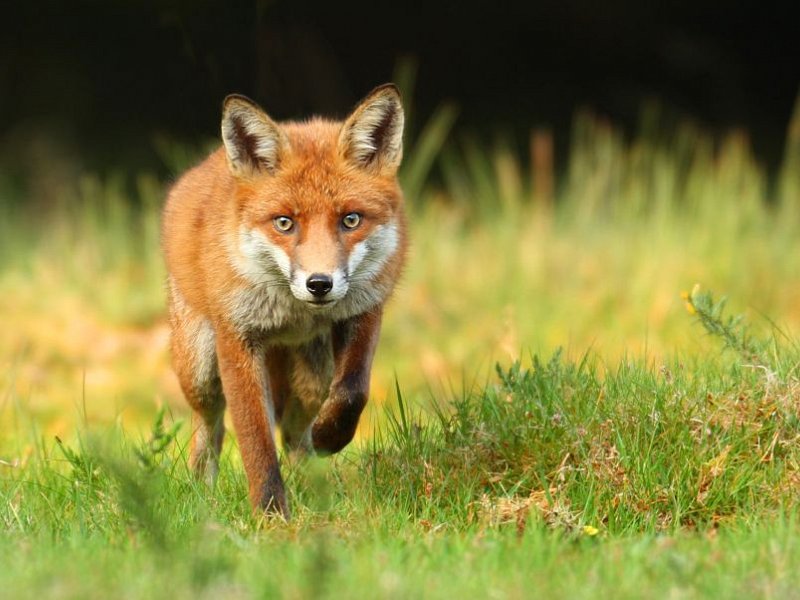
With reddish brown fur and a thick, white-tipped bushy tail, called a brush, foxes grow to the size of a small dog. They are mainly active at dusk and during the night but sometimes you can spot them in daylight hours. With light sensitive cells especially adapted to night vision, their eyes glow green, yellow or sometimes red when light is shone at them in the darkness.
Our only wild member of the dog family, foxes are also highly adaptable and have a wide and varied diet including small mammals, earth worms, fruit and beetles, with urban foxes gleaning large amounts of food from bird tables and compost heaps.
They are social animals, distantly related to wolves, and use a wide range of calls, facial expressions and body postures to communicate with each other. They are able to run at 30 miles per hour and have excellent hearing; it is said they can hear a watch ticking over 35 metres away. Although in captivity foxes can live for over 10 years, in the wild they generally survive only one or two years.
Any successful pairing during the mating season will result in cubs being born in March or early April. The litters of around four to five cubs are born blind and deaf in a den, also known as an earth. The earth may be dug by the foxes, or they may enlarge a rabbit burrow or use holes made by other animals, while in urban areas, cubs are often born under garden sheds. Cubs are completely dependent upon their mother when they are born and the vixen rarely leaves them during the first few weeks.