
European Protected Species
By Dr Tony Whitbread
Chief Executive
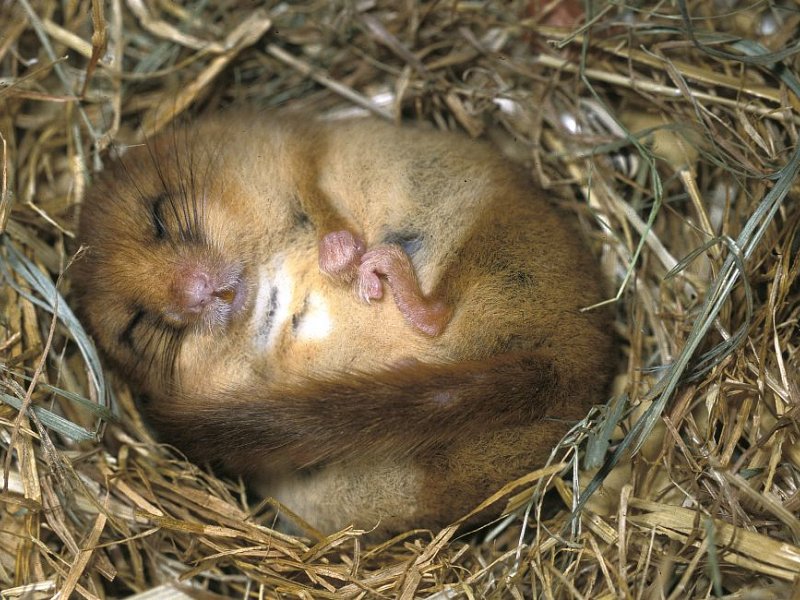
Along with protecting our most precious places for wildlife, the nature directives also protect specific species, so called European Protected Species (EPS). The Birds Directive gives all wild birds, their eggs, nests and habitats a degree of general protection. The list of other species given general protection under the Habitats Directive is much more restricted. Sussex species include dormice, all bats, great crested newts and early gentians.
Some of these are rare and restricted in the UK, but others are quite widespread here and scarcer and more threatened elsewhere in the EU. So, for example, we have an international responsibility for the great crested newt as we support a significant proportion of the European population. Of all the European Protected Species, great crested newts and bats seem to attract a bad press. So much so that in November 2011 the Chancellor singled out the implementation of the Habitats Directive as a burden on business development, saying in his Autumn Statement to Parliament that “… We will make sure that the gold-plating of EU rules on things such as habitats do not place ridiculous costs on British businesses.”[1] I found this disturbing since the reality is very different. Environmental mitigation makes up a tiny proportion of the overall budget for the majority of developments. In fact a recent review of scientific literature and reports found that total direct costs associated with environmental regulation were estimated to account for 0.2% of construction and manufacturing turnover.[2]
In a time when the pressure for new development here in Sussex is huge, the value of EPS to our work is extremely high. This is one of the very few legally enforceable ‘hooks’ to get developers and local planning authorities to give serious consideration to the potential ecological impacts of development proposals. The Government has made a commitment to halt and reverse biodiversity declines in the UK by 2020, and to expect that there will be a gain to nature from development. But the evidence shows that our planning system is currently failing to achieve net gains in biodiversity.[3] Even species that have a relatively high level of protection under national legislation, such as reptiles, are routinely ‘protected’ by moving them off a development site to areas with no formal protection, so that when these sites come up for development in the future, the reptile population simply gets moved out of the way again.
The fact that impacts on EPS have to be considered before planning permission can be granted, means that other species that are rarely thought of often benefit as a by-product. For example, a hedgerow that must be retained because of its dormouse population will surely benefit the hedgehogs and toads that use the hedge to feed and shelter under. Or the newly created great crested newt pond will also provide a home for dragonflies and grass snakes.
I can’t predict what will happen to the level of protection afforded to EPS if we no longer have the benefit of the nature directives. But as I reflect again on Mr Osborne’s 2011 Autumn Statement, and despite the review this prompted[4] failing to find the alleged ‘gold-plating’, I do worry that the outcome will be less effective protection for our dormice, great created newts, bats and –when they finally come back into Sussex as a breeding species – our otters.
Visit our EU Referendum and Sussex wildlife webpage
[1] Hansard 29 November 2011 (Columns 808-809)
[2] The impacts of environmental regulations on competitiveness (2014) Antoine Dechezlepretre & Misato Sato
[3] Nature Positive Local Plans (2015) TWT & RSPB
[4] Report of the Habitats and Wild Birds Directives Implementation Review (2012) HM Government