
Ecologist Graeme Lyons - 6000 species in 2026 challenge
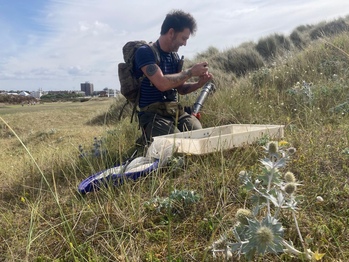
Graeme Lyons is a passionate naturalist, who has lived in Sussex for nearly 30 years, working as Senior Ecologist at the Trust for 12 before becoming a freelance entomologist and ecologist.
Graeme still works on our reserves as a freelance entomologist, as well as being county recorder for bugs and spiders. He is, he tells us, "the most prolific biological recorder in Sussex of all time - my database currently contains 357,560 records of 9,704 species, with no AI involved, ever."
His new book, coming out in February 2026, is called Pan-Species Listing - How to Become a Super-Naturalist, published by Pelagic.
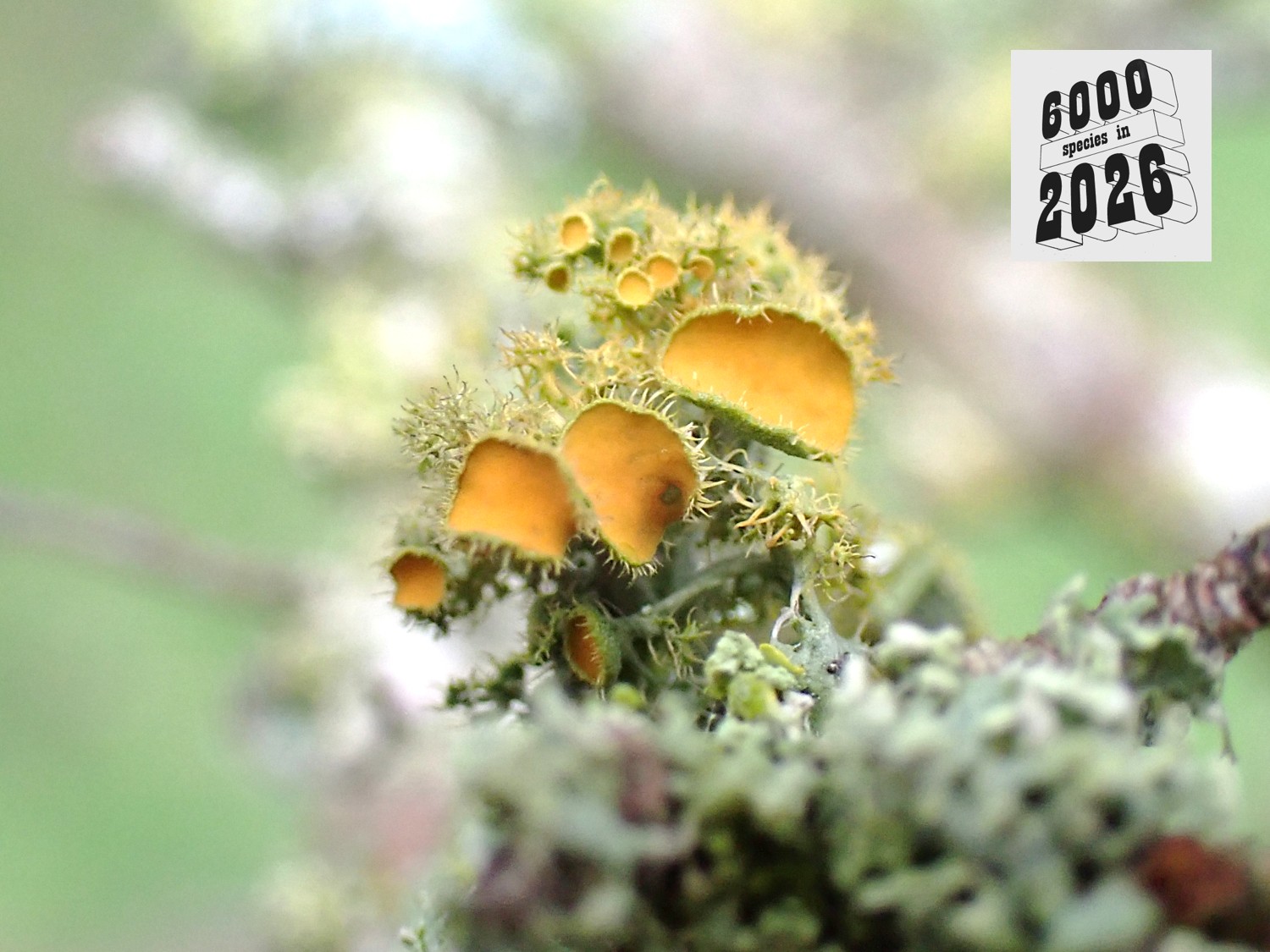
As well as writing his book, Graeme's passion for pan-species listing has led to a desire to give himself another great challenge - to get to 6,000 species over 2026, as a fundraiser in support of our reserve management. He tells us more about the pan-species listing project:
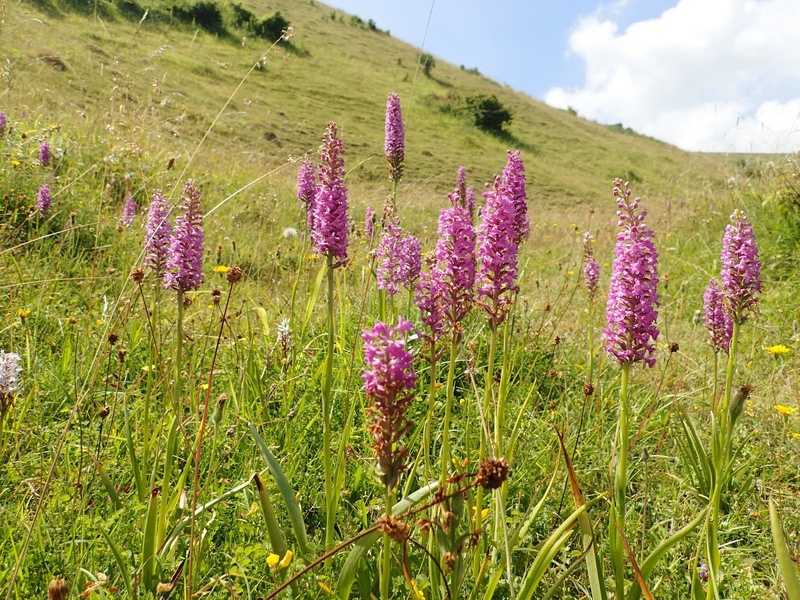
"The reason I know that figure of 9,704 species so precisely is down to pan-species listing. Around 15 years ago, a small group of naturalists started a new way to do an old hobby. Most birders keep a ‘life list’, a list of all the birds they have seen over the course of their life within the British Isles. Some moth-ers do the same, as do some botanists with vascular plants. We decided to start listing everything.
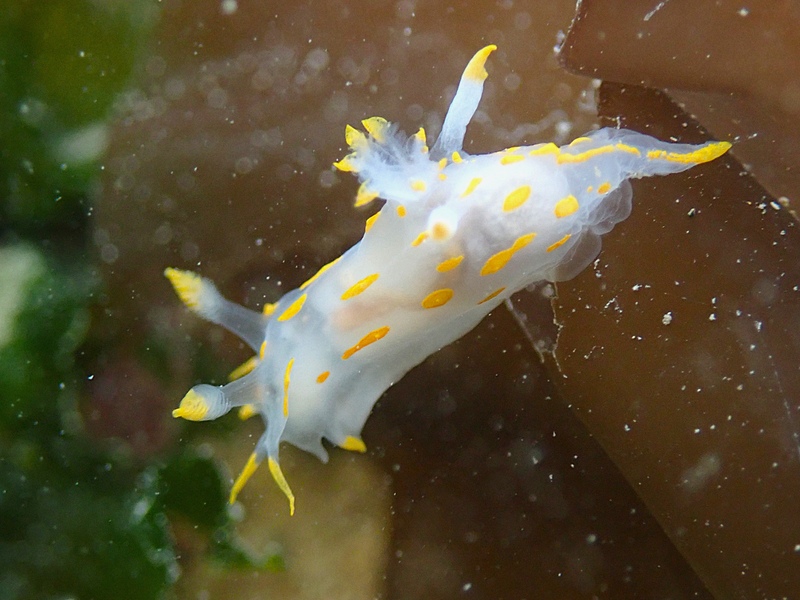
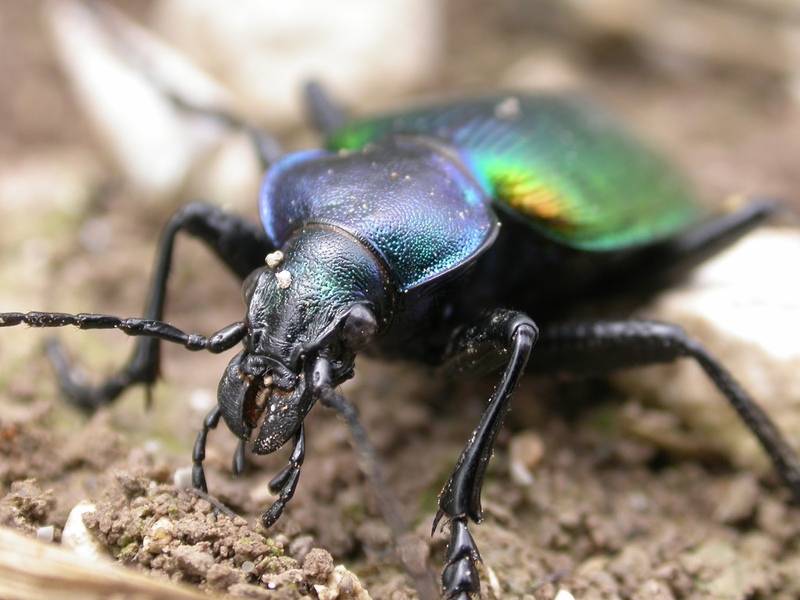
Every bird, moth and plants, but also every lichen, beetle, sea slug, reptile, spider, starfish, fungi, mammal, crustacean etc. Soon after this, we started keeping our lists together in a gently competitive way, in the form of the rankings.
The Biological Records Centre built us our first website in 2014, with pan-species listing growing over this time, with many people benefiting from the approach. The movement is collaborative, providing a framework to become the best possible all-round naturalist that you can be, by encouraging you to find and record as much of the wildlife of the British Isles as you can in a lifetime.
As of winter 2023/24, we have a new site. This free site is now managed by the guys who set up Bubo (the bird listing site) and is much more sophisticated. You'll be able to follow my progress there and in updates on my blog."
Graeme is planning to use the new website to pan-species year list throughout 2026. The aim, as mentioned, is to get to 6,000 species over the year, with at 5,000 of these found and identified by himself and at least 4,000 species seen in Sussex.
As of 25 January, Graeme's total already stands at 1025, and has included a few surprises - including one beetle, Corticaria umbilicata, found at Old Lodge, that hadn't been recorded in Sussex for over 40 years - and never before on a Sussex Wildlife Trust reserve.
Graeme is kindly using this challenge to fundraise on Just Giving for the management of our reserves. Details of how to support him here
This post was originally published on 31 December 2025, and updated on 28 January 2026.
Comments
I would like to get involved please!
We live outside Petworth, West Sussex
Thank you!
Julia Hart
29 Jan 2026 13:21:00
I was really interested to read about this species identifying challenge.
My late husband Rob, was passionate about the importance of species identifying , recording and describing. Until August 2025 he, almost single handed, did this in Heene Cemetery in West Worthing. Heene Cem is a designated Local Wildlife site. The cem is old meadowland, a rare habitat. If Graeme would like to visit at any time to spend as long or short a time as he wished to add to his count, I/we would be delighted to welcome him.
best wishes, Jane
30 Jan 2026 11:20:00
Sussex Wildlife Trust:
Thank you Jane, Rob sounds a remarkable person. We will pass this on. Best wishes
This is a fascinating read, and a wonderful challenge! Well done Graeme!
18 Mar 2026 23:22:00