
Eastbourne Group - May events
David Beer
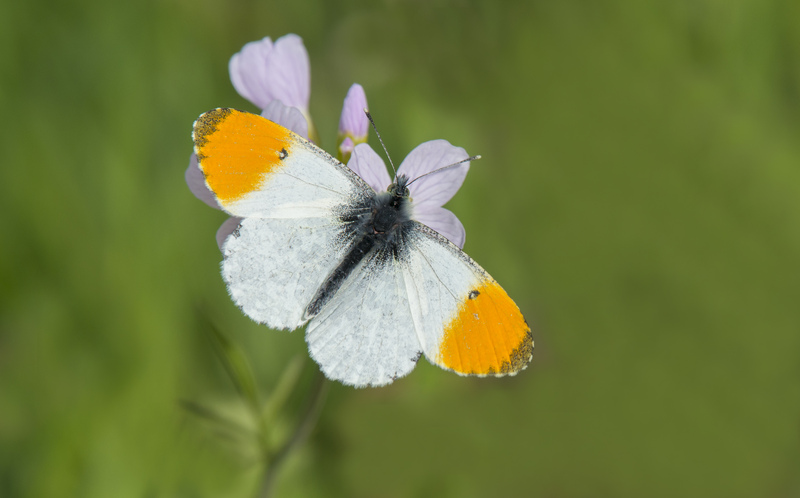
On Thursday 9th May we met in the Chiddingly Church Car Park for a walk through the woodlands and wet pastures that surround this beautiful Wealden village. Given the wet weather we have been experiencing there were some boggy sections to the walk, but we were rewarded with an excellent display of spring flowers, including Early Purple Orchids and King Cups. The woodland was alive with the sound of birdsong. Numerous Chiffchaffs, Blackcaps, Song Thrushes, Wrens and Blackbirds were in full voice. A number of Brimstones, Orange Tips and Holly Blues provided flashes of colour. As we crossed the final meadow we were treated to an acrobatic display from a female Kestrel.
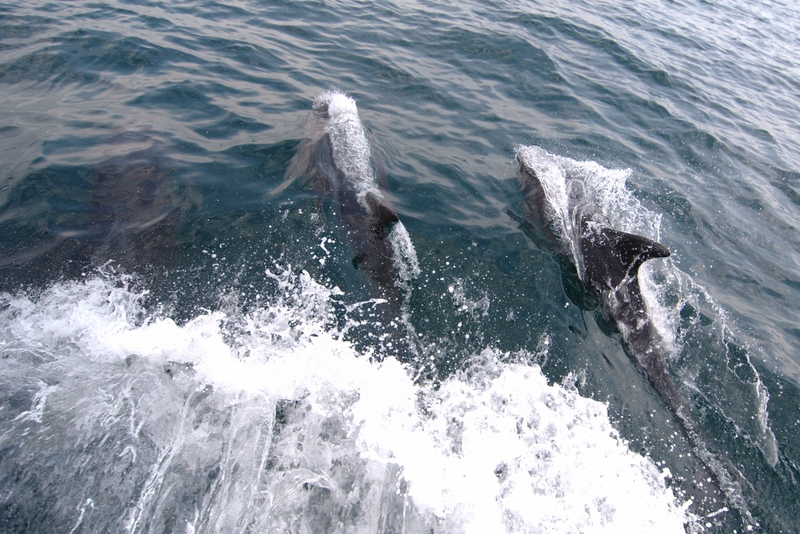
On Thursday 16th May, we welcomed Thea Taylor to the Eldon Road Baptist Church Hall to present an illustrated talk on the Sussex Dolphin Project. It has been running since 2018 and there have been a number of close encounters with these wonderfully intelligent Cetaceans along the East Sussex coastline. It appears that a small Porpoise population is located off Beach Head but like all marine life they are under pressure from various human activities. Thea had some terrific video clips of the various species of Dolphins and Porpoises that can be seen in Sussex coastal waters and many of us are looking forward to a boat trip from Newhaven to hopefully get up close to these iconic marine mammals.
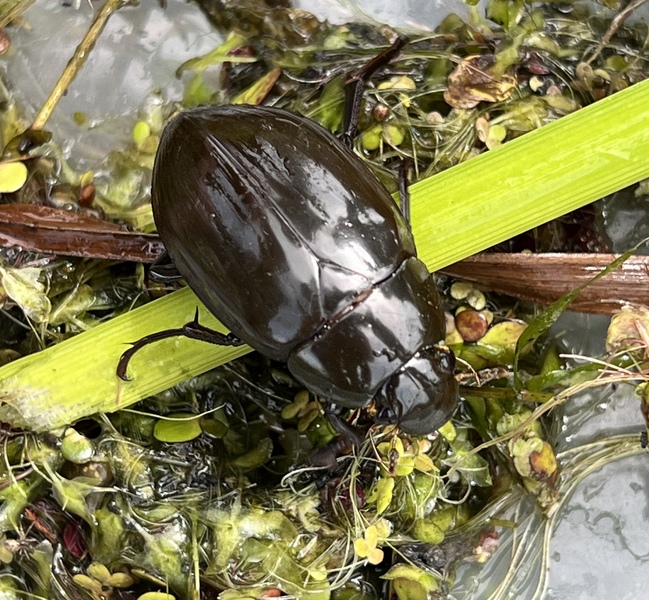
On Thursday 23rd May, twenty two members of the group met at West Rise Marsh to survey both the lake and drainage ditches for aquatic Invertebrates. Armed with nets, trays, illustrated keys and much enthusiasm we made the short walk to the lake.
We were pleasantly surprised with the variety of organisms present. There were numerous Damselfly Nymphs, Caddis Fly larvae, Water Boatmen, Backswimmers and Water Beetles. Crustaceans were represented by Water Slaters, Freshwater Shrimps and various Freshwater Fleas. Molluscs were plentiful as were Leeches. We also sampled two of the drainage ditches and again we found an abundance of invertebrates. Using these organisms as biological indicators we concluded that the freshwater habitats were relatively unpolluted and the water rich in oxygen.