Eastbourne Group February 2026 activities
By David Beer
We had two well attended events during February; a walk around the Rye Harbour Nature Reserve and an evening talk on ancient trees and the role of woodland fungi.
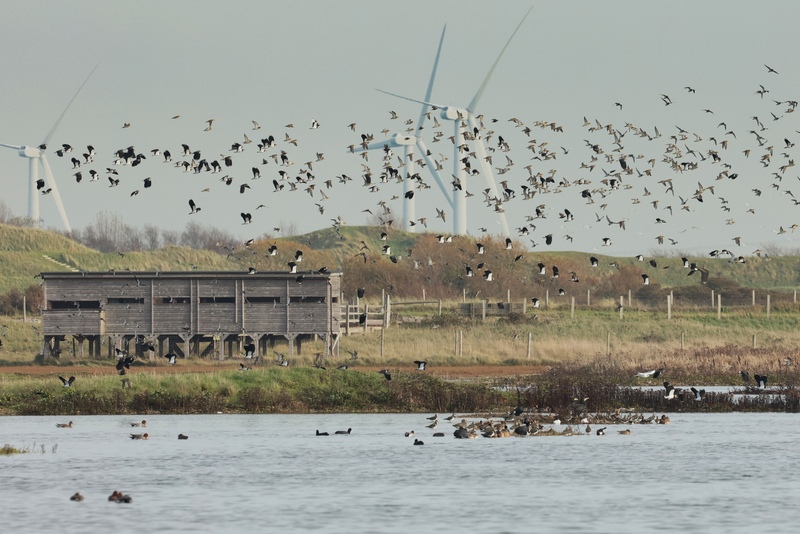
Our annual visit to Rye Harbour is always popular and this year was no exception. The dry weather was a bonus as was the considerable local knowledge of Christine George, who kindly acted as our guide for the day. The beach reserve was full of large winter flocks of Lapwing, Golden Plover, Oystercatcher, Dunlin, Grey Plover and Sanderling. The highlight for many was witnessing the acrobatic zig-zagging turns of the flocks of Lapwing as they took to the air spooked by a Great Black Backed Gull or a Peregrine Falcon. The birds were constantly tumbling downward or spiralling up. It was a magnificent wildlife spectacle. Add in the Brent Geese, Little Egrets, Turnstones, Ringed Plovers, Knot, and of course the over wintering Wigeon, Pintail, Shoveler and Teal and it really was a splendid few hours on the reserve.
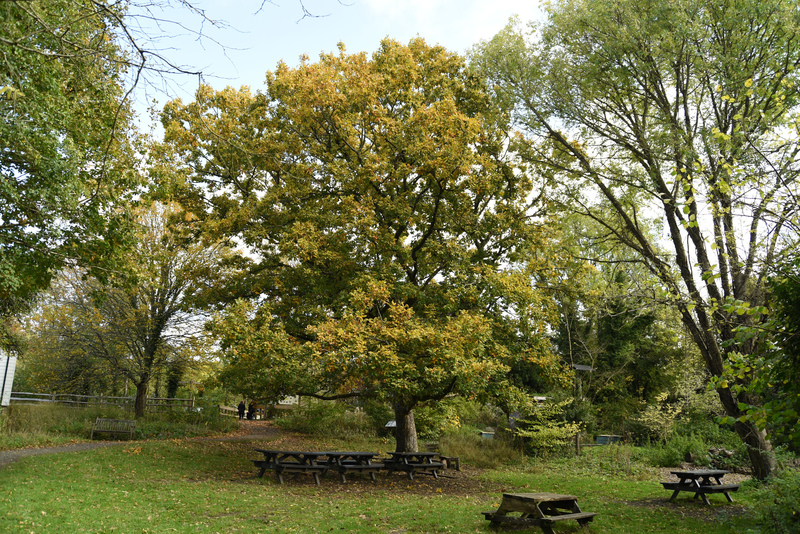
We were delighted to welcome Doug, a volunteer for the Woodland Trust, to our February evening meeting where he treated us to a very informative talk on notable, ancient and veteran trees. He explained the three classes of trees and what features they need to exhibit to be included in the Ancient Tree Inventory. Doug reminded us of the importance of dead wood. Large tree stumps are one of the most valuable assets and habitats of any woodland environment. The second half of the talk focused on the symbiotic relationship between soil fungi and trees. He explained where the term “wood wide web” comes from and how this network of roots and mycorrhizal fungi connects trees and facilitates nutrient exchange and communication. Thanks to Doug we will certainly be looking out for ancient trees on our monthly walks!