
Discovering bats and so much more at The Deneway as part of my Masters
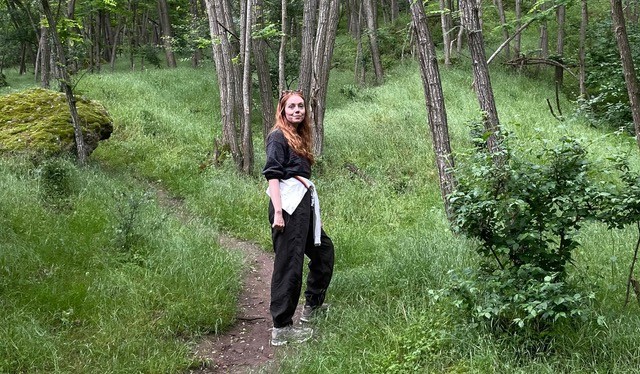
Emma McCarthy
I'm currently changing careers and studying Applied Ecology. I love being outdoors and learning how to protect nature. This bought me to The Deneway Nature Reserve in Brighton to undertake a Masters project with Sussex Wildlife Trust, exploring which plants and animals were using the site, and how volunteers could help make it even better for nature.
When I first visited The Deneway in February 2026, it felt as though the whole nature reserve was still asleep. The trees were bare, the ground was quiet. But, by May, everything had changed. The site was buzzing, I enjoyed seeing how much life can be found in even such a small space on the edge of a city. Due to its location, The Deneway is an important nature pathway that could help wildlife move safely between nearby green spaces and the South Downs. It is also close to transport links, so it is important for people and nature education too.
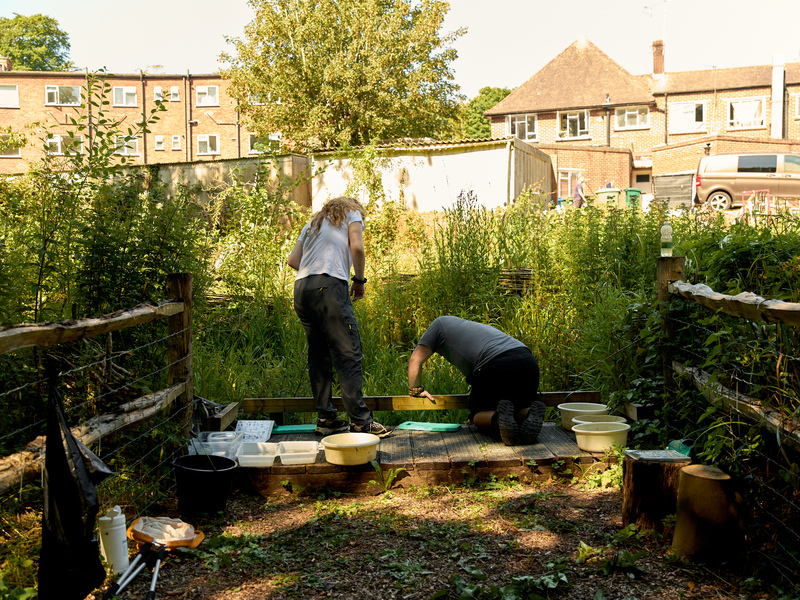
The project itself included lots of surveys. Firstly, a National Vegetation Classification survey – a plant community survey that determines the direction of travel for the site, improving or degrading. It highlighted just how important volunteer conservation actions had been bringing ecological stability in the areas where they work the most. This survey was undertaken alongside the Youth Rangers and it was great to get their help, hear their ideas as well as made me realise citizen science or working with volunteers is something for me to consider for a future career. I also surveyed butterflies, pollinators, reptiles, amphibians, bats and checked for invasive plants, which can spread quickly and make life harder for native wildlife.
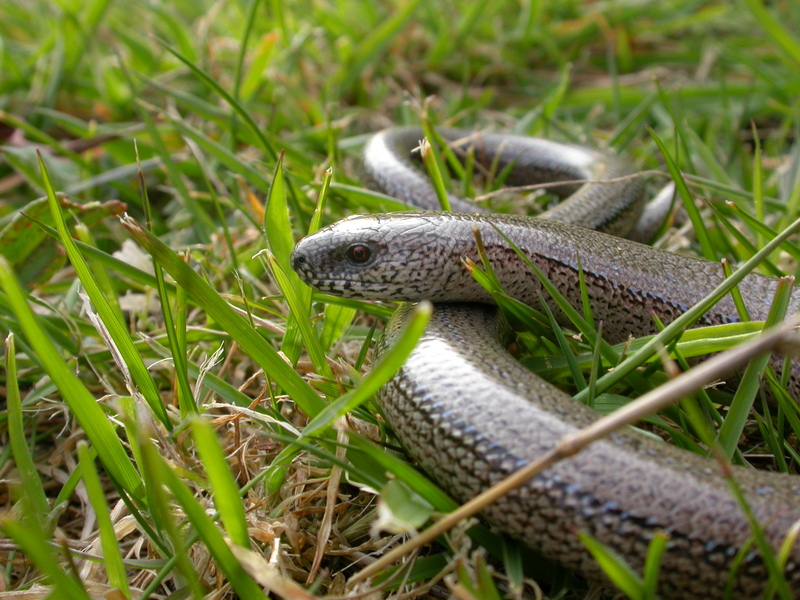
One of the most exciting discoveries was how important the site is for Slow Worms. These shy, legless lizards seemed to love the The Deneway in comparison to other possible habitats to the north – the survey showed the hotspots for them especially areas where conservation work had already taken place, such as the reptile bank. The pond was another wildlife hotspot. It was full of Smooth and Palmate Newts, as well as a Common Frog and dragonfly larvae. I also found lovely wetland plants such as Ragged Robin. All of this is a good sign that the pond is healthy and valuable for wildlife.
My favourite part was discovering bats at The Deneway, including Serotine Bats, one of the UK’s largest bats and a designated vulnerable species. They were using the site to forage for insects as well as access other foraging grounds to the north.
The final report and data collected will be shared with Sussex Wildlife Trust. Bringing this project to a close marks the end of my Master's course for the year, it's been a great way to combine university coursework with real-world conservation work.