
Create a hedgehog haven
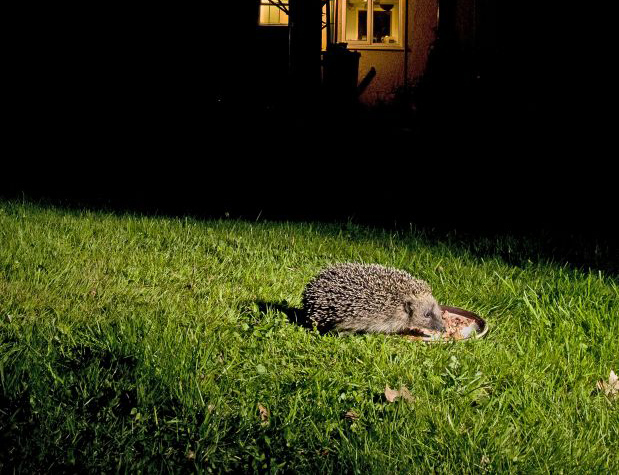
This week is Hedgehog Awareness Week and these much-loved gardener’s friends with their characteristic spines and beady black eyes need our help.
Here are our top tips to turn your garden into a hedgehog haven. In return your garden will benefit from one of the most efficent pest controllers on the planet.
- Leave Wild Patches
Undisturbed areas can provide food and a safe place to nest and hibernate. Leaf piles and compost heaps offer shelter, warmth, bedding material and attract a tasty snack. - Avoiding injuries
Please go carefully when turning compost heaps and look out for nesting hedgehogs when strimming overgrown areas. - Common Hazards
Garden ponds can become death traps for wildlife, so please make sure they have gently sloping sides or an escape route such as a piece of wood leading to safety. Slug pellets are poisonous and as well as eliminating a key prey species for hedgehogs, the poison is passed to hedgehogs and birds when they eat a dead slug; we recommend they should not be used. - Hedgehog café
A fresh supply of clean water is particularly helpful as the weather warms up. If you want to provide some extra food, a dish of plain non-fishy pet food is usually best. Although many people believe that myth that hedgehogs like bread and milk, they actually make them very sick. - Make a gap in your fence
Hedgehogs can travel up to a mile at night in search of food and a mate; ten or more different individuals may visit a garden over several nights. A 13cm square gap in the bottom of your fence could really help them move from garden to garden. Talk to your neighbours and encourage them to do the same.
For more information on helping hedgehogs please visit our hedgehog webpage.
We are always pleased to hear about your hedgehog sightings at: sussexwildlifetrust.org.uk/sightingsform
Comments
We spotted our first hedgehog in 18 years of living here. We live on the outskirts of Wisborough Green; our property is bordered by the Sussex National Forest. My husband got it on film, collecting dried leaves in its mouth just a few feet behind our house. It then waddled off and repeated this every one or two minutes. We suspect it either lives in the trench behind our house, dug by Canadian troops during the war, or in very wild bramble hedge behind the trench. We put out clean water for it. We suspect it was a she, and, hope so, as she was very nice and round, and we are hoping that means there will be babies for which she was making a nest?
11 May 2017 10:53:54