
Container spills and coastal clean-ups
By Sarah Ward
Marine Conservation Officer
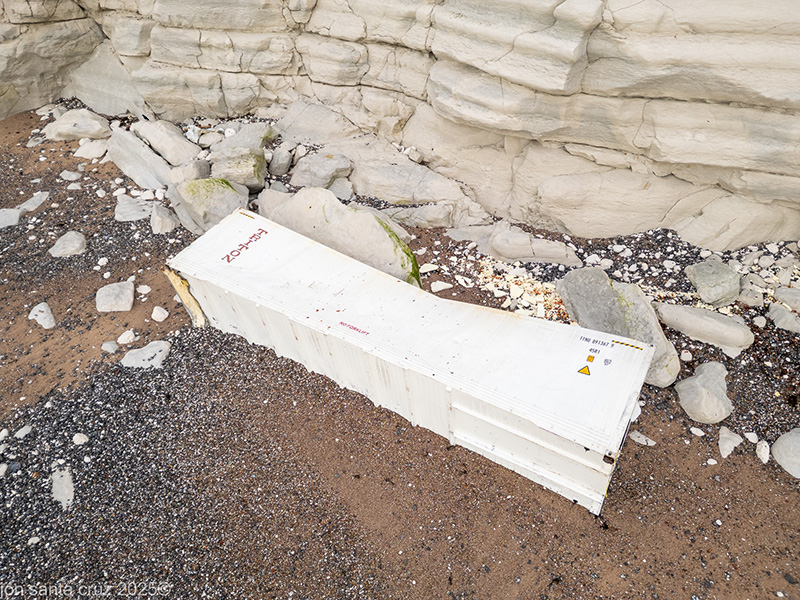
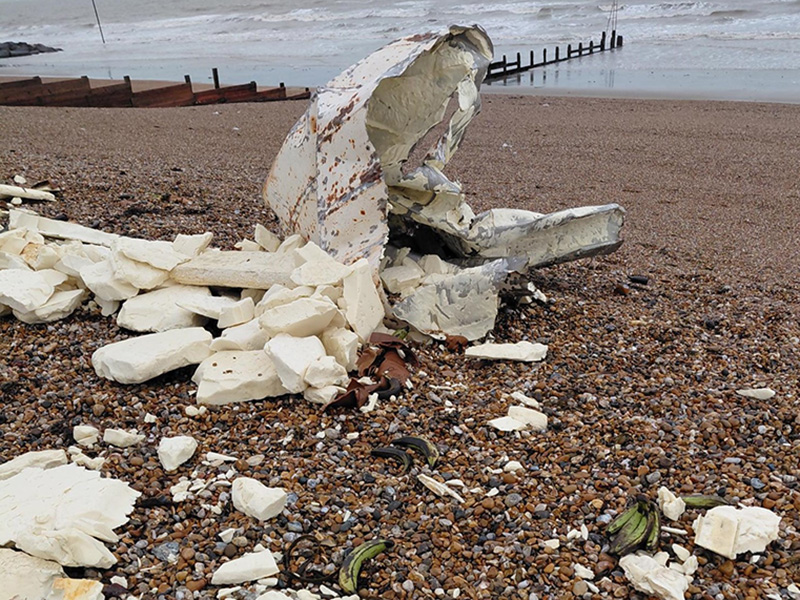
With three recent severe pollution events affecting the Sussex coastline and sea in the last couple of months, beach cleaners across the counties have been collecting huge amounts of all sorts of abnormal items, from tonnes of bio-beads to avocados, bananas, bags of onions and even frozen chips.
A huge well done to all those who have involved themselves in clean-up efforts – it’s incredibly important to remove these items from the environment and demonstrates how much communities and individuals care about their local beaches and sea. Our own volunteers have been out at West Beach in Littlehampton both before and after Christmas.
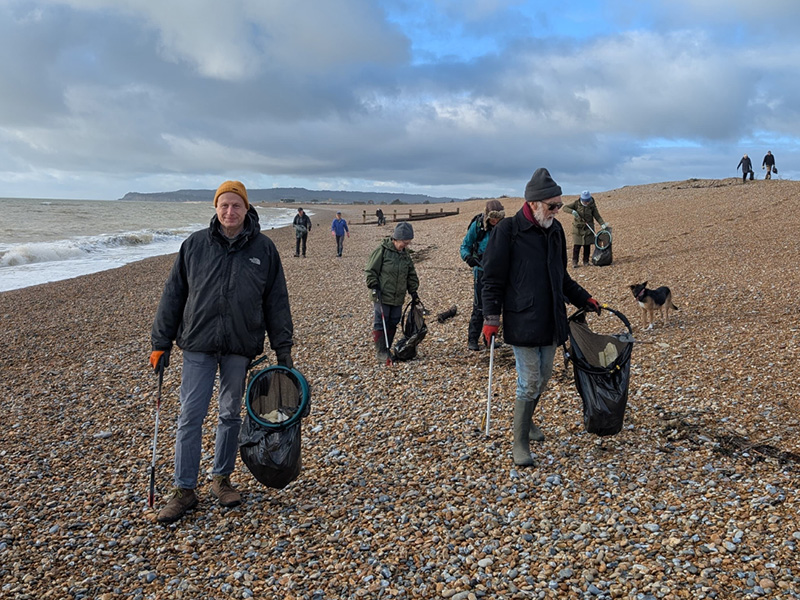
While these container losses might seem like freak accidents, the impact of these events has prompted us to act, both in terms of directing volunteers to get involved, and understanding how the policy around these accidents works. We may be familiar with the term ‘polluter pays’, but what does this mean in practice?
Shipping containers lost at sea have wide-ranging impacts. The contents of the containers will often find their way to beaches, but much of it remains at sea. Floating debris may cause an immediate hazard to other sea users, and in the longer term may continue to damage the marine environment.
New legislation means that shipping companies are legally required to report any losses; the containers are the legal responsibility of the vessel owner. Insurance policies will cover the loss of goods; this should also cover costs incurred by those cleaning beaches and removing containers.
Locally, this has been primarily Councils who have arranged contractors to deal with the removal of shoreline debris – we fully support calls for recovering all costs from the responsible parties. We would also like funds to be made available to environmental groups. These groups play a key role in cleaning up after these kinds of events and are committed to keeping their local blue and green spaces clean.
Loss or damage to biodiversity can also be a factor here, particularly if an affected area or habitat is protected. Proving environmental damage, however, is much more difficult, particularly if the whereabouts of the containers are unknown. When containers damage protected habitats at sea, it may be possible to take action against the vessel owner—but only if the containers are found and the damage can be proven.
Please see our webpage for information about how to get involved in volunteering with Sussex Wildlife Trust.
Comments
I am already a big organiser for our SAS Paddle Outs each year to end sewage pollution in Hastings and Plastic free Hastings but we do need to work together as we only had a handful of volunteers here when we had the insulation spill and bio bead spill the insulation was vast all along our beaches but funding is crucial to help protect our envirnment and reform . Thank you for all your work on sussex coast.
03 Feb 2026 19:11:00
I was walking my dog at Normans bay this afternoon. There were teams of men from two companies clearing the small pieces of insulation foam and various other materials that had been washed up. I talked with one of the chaps and they had come all the way from Aberdeen and that the shipping companies insurance providers were paying for the clean up .Seems daft that there wasn’t a local company but at least they were doing a good job .
03 Feb 2026 21:41:00
The surprise here is that container shio companies are not responsible for clean up, is that true? If accurate this needs to be addressed internationally immediately.
04 Feb 2026 00:11:00
There’s needs to be something done about this situation and the way the law works. Apparently the fine that was imposed on the shipping company for the Napoli disaster went straight back into the local conservation projects of the affected areas… why can’t we do the same here? We have plenty of local projects that would benefit for the extra funding and it’s their responsibility to invest in what they have destroyed. I’m sure there is plenty of evidence gathered from all the local beach cleaning groups and wildlife charities. Maybe there should be a similar strategy to Biodiversity Net Gain where polluters need to pay for the habitat they have impacted with a greater positive result. We could easily quantify the amount of time and man hours it is still taking us to clean up, plus ecologists can model the long term impacts of all the tiny polyurethane particles that will remain in the ecosystem
04 Feb 2026 22:15:00