
Archive
-

21 April 2021
Ponies at Burton Pond
Three Exmoor Ponies will be grazing Welch’s Common at Burton and Chingford Ponds from mid-April 2021 for 4-6 weeks.
-
19 April 2021
Award for Natural History
Do you know a young person (11 to 25) who has made an outstanding contribution to natural history in Sussex?
-
16 April 2021
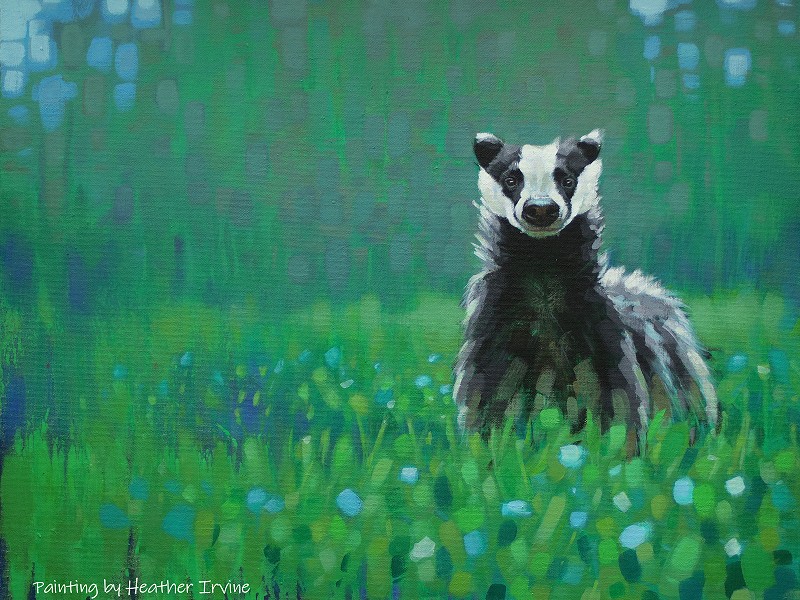
Leading artists come together to raise funds for Sussex Wildlife
Renowned artists, who have come together to raise funds for Sussex Wildlife Trust and three other wildlife trusts
-
14 April 2021
Wake up to wildlife with 30 Days Wild 2021
30 Days Wild - the UK’s BIGGEST nature challenge - is back for 2021
-

13 April 2021
How do I know if my compost is peat free?
If you are buying compost, take a close look at the labels to make sure it’s peat free.
-
11 April 2021
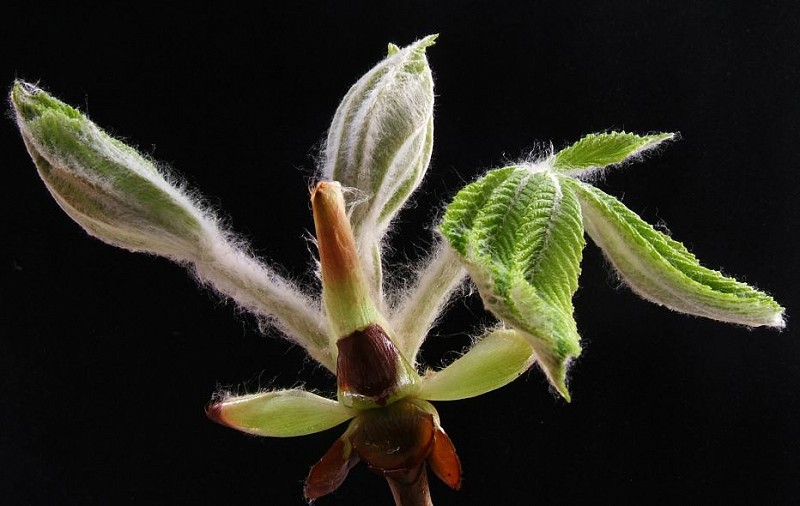
Budburst
April is a month of ‘more’ - more daylight, more buds, more leaves and more flowers, with more pollen and more sneezing for us hayfever sufferers, but the natural world is springing back to life. Some say that April is named after the Latin aperere, meaning “to open”, in reference to the profusion of bursting buds, unfurling leaves and blooming blossom.
-

08 April 2021
Help Our Kelp Q&A
Dr Ian Hendy (University of Portsmouth) and Sarah Ward (Sussex Wildlife Trust) answer your questions about the exciting kelp forest restoration project
-

07 April 2021
Butterfly eggs - Brown Hairstreak
Charlotte Owen tells us about the Brown Hairstreak butterfly and its eggs
-
06 April 2021
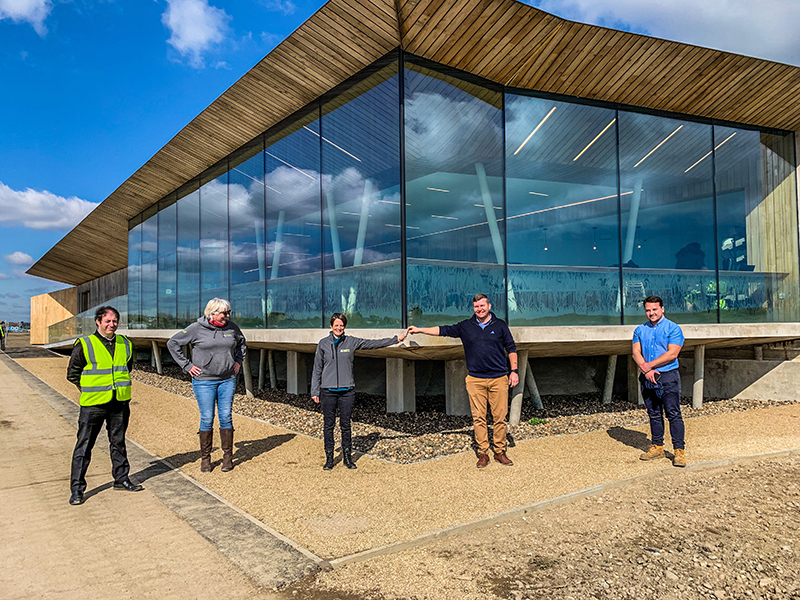
Discovery Centre - handover from Baxall and other news
Update about the Rye Harbour Discovery Centre
-

06 April 2021
The colour and beauty of birds' eggs
Charlotte Owen tells us about amazing birds eggs and their colours
-
06 April 2021
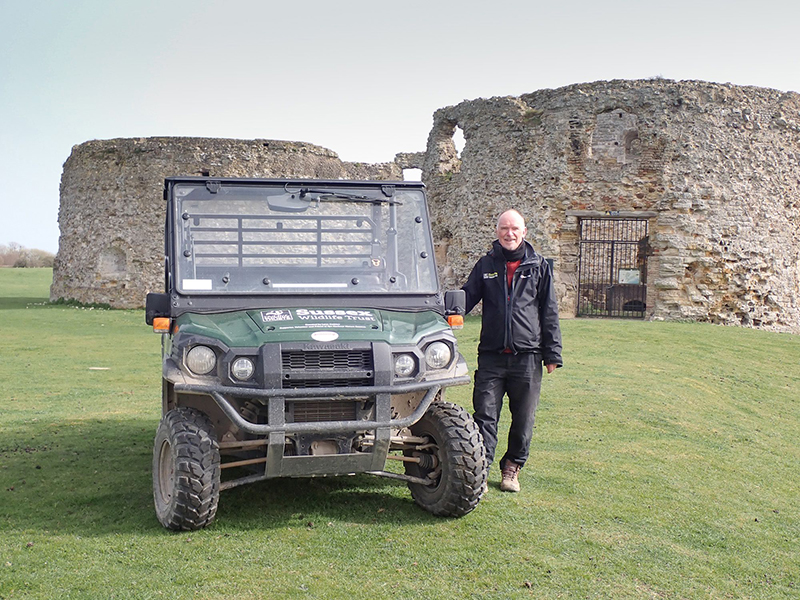
Meet our staff - Barry Yates
Tilly Hopkins talks to Barry Yates about his life and work at Rye Harbour Nature Reserve
-
04 April 2021
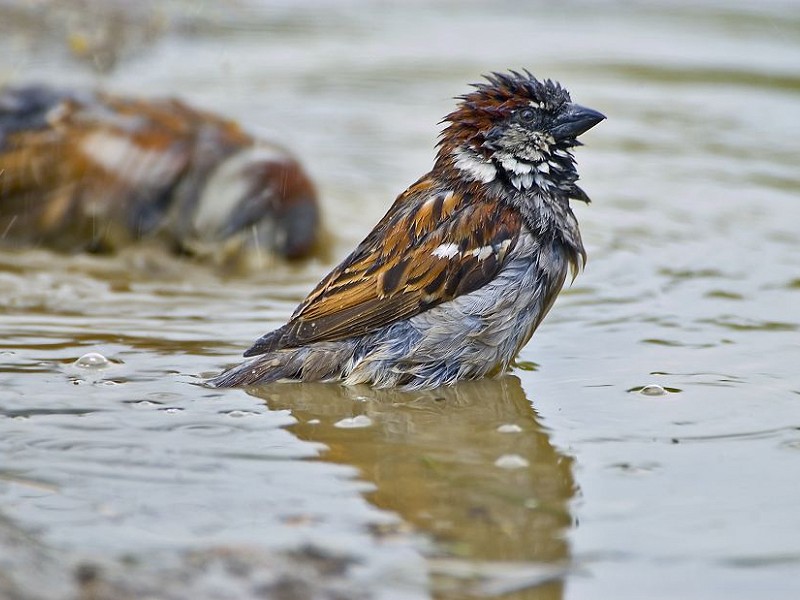
The humble House Sparrow
House sparrows may not be the most colourful bird in the UK, or the most impressive singer, but they’ve long been one of our favourites, because they live in such close proximity to people. Their friendly little faces are a common sight in many parks and gardens