
Archive
-
26 June 2019
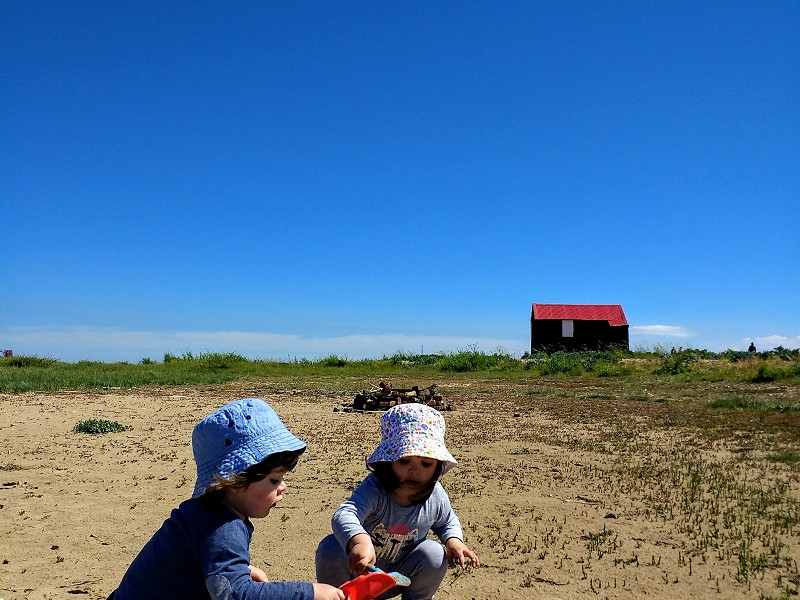
How to make the best of family trips to Rye Harbour Nature Reserve
It’s the summer holidays. What’s on offer at Rye Harbour Nature Reserve for families, and how might you make the best of your visit here?
-
26 June 2019
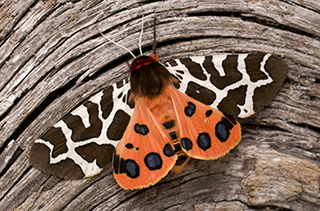
Wildlife Walks, Talks and Courses in July 2019
Michael Blencowe looks forward to the Sussex Wildlife Trust’s wildlife courses, walks and talks in July
-
25 June 2019
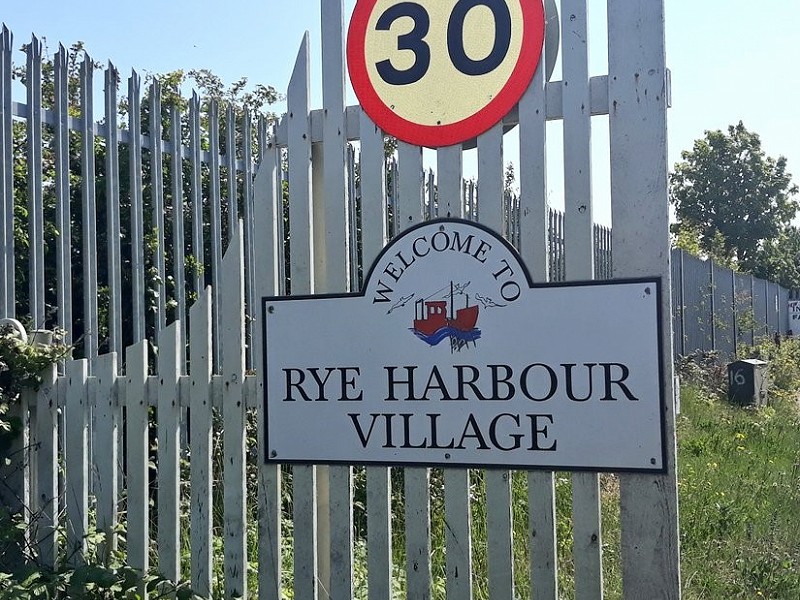
We try... getting to Rye Harbour by public transport
Sussex Wildlife Trust is keen for people to come to Rye Harbour Nature Reserve using public transport, where possible. But how easy is it to do that?
-

24 June 2019
Natural Climate Solutions
Can we really avert Climate Crisis ?
-
21 June 2019
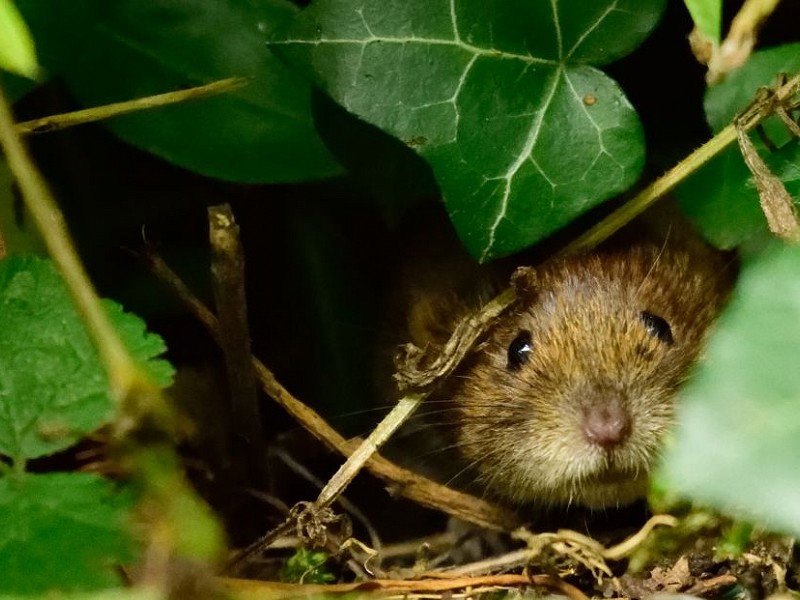
Bank voles
The staff garden at Woods Mill is home to a healthy population of bank voles.
-

19 June 2019
Stepping up
Dr Tony Whitbread writes about what his appointment as President of Sussex Wildlife Trust means to him.
-
18 June 2019
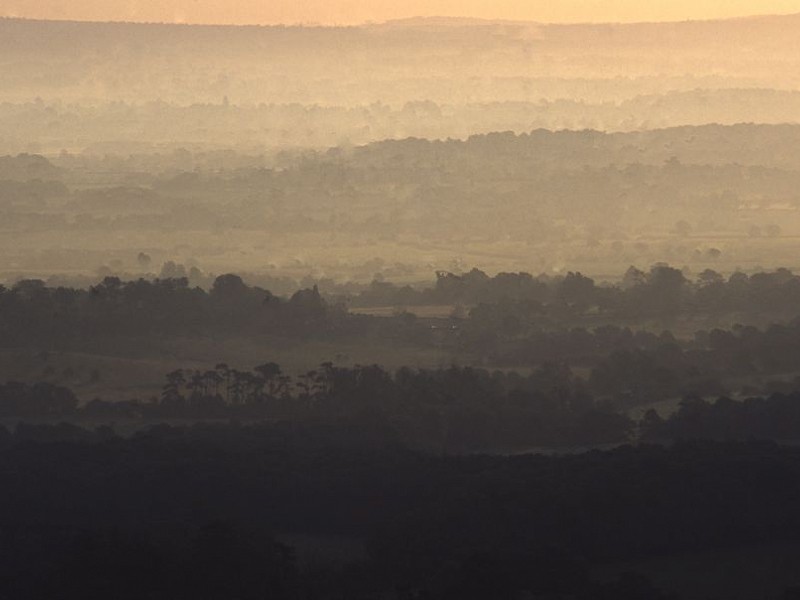
Examination Pressure
Local Plans are produced by local authorities, setting out how much housing and employment space is required in their district or borough. Sussex Wildlife Trust is supportive of a plan-led system because – if done properly - it allows us to ensure that biodiversity can be embedded at the heart of communities.
-
18 June 2019
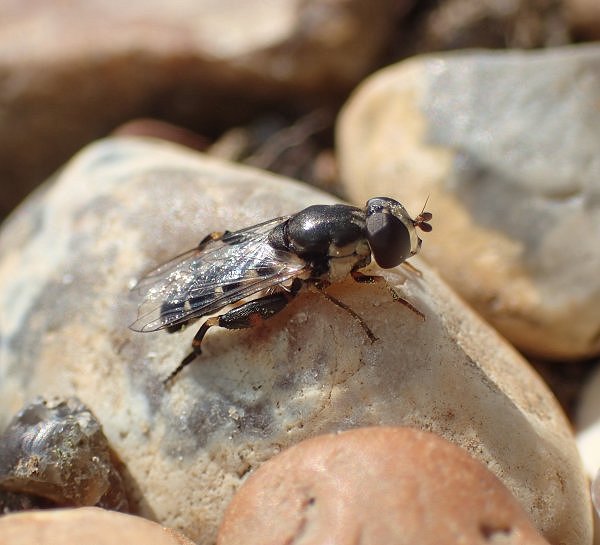
Flies with Thighs
Grubbing about on the shingle recently looking for rare spiders I came across this hoverfly with swollen femora near the Mary Stanford lifeboat House.
-

17 June 2019
Enough fish in the sea?
The breeding terns in Rye Bay have been struggling to maintain their breeding populations, and it’s seems to be getting worse.
-

16 June 2019
Nightingale
Every year Nightingales make an incredible 3,000 mile journey from West Africa to the UK to breed, and Sussex is one of the best counties to listen out for them.
-

14 June 2019
Ducklings
It’s duckling season and while these adorable bundles of fluff can be seen paddling about on ponds across Sussex, they can also turn up in some rather more unusual locations.
-
12 June 2019
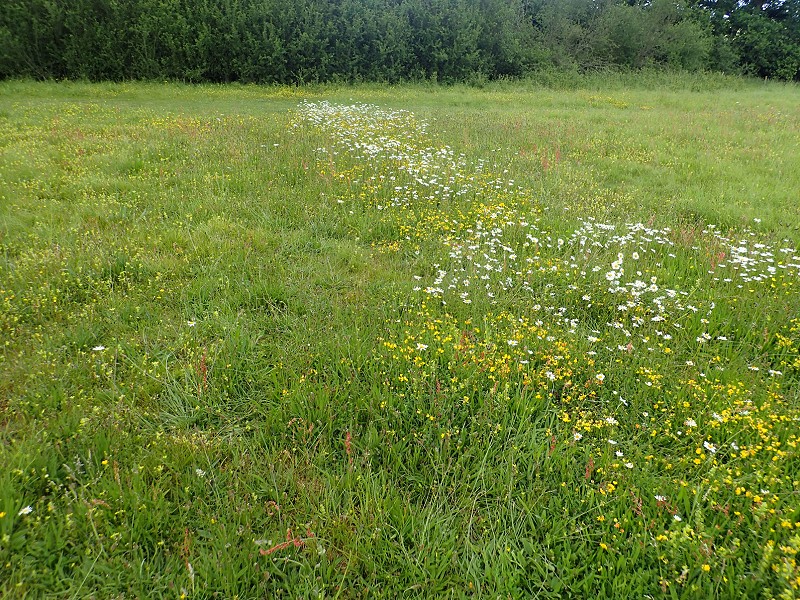
If you build it, they will come
Around four years ago, we attempted to rejuvenate one of the fields at Woods Mill into something less grass dominated and more meadow-like. A sign that a project like this has become really successful though is when host-specific invertebrates turn up to feed on the their food plants.