
Archive
-

27 March 2019
Bee-fly
Is it a bee? Is it a fly? Well, it’s a bee-fly!
-
26 March 2019
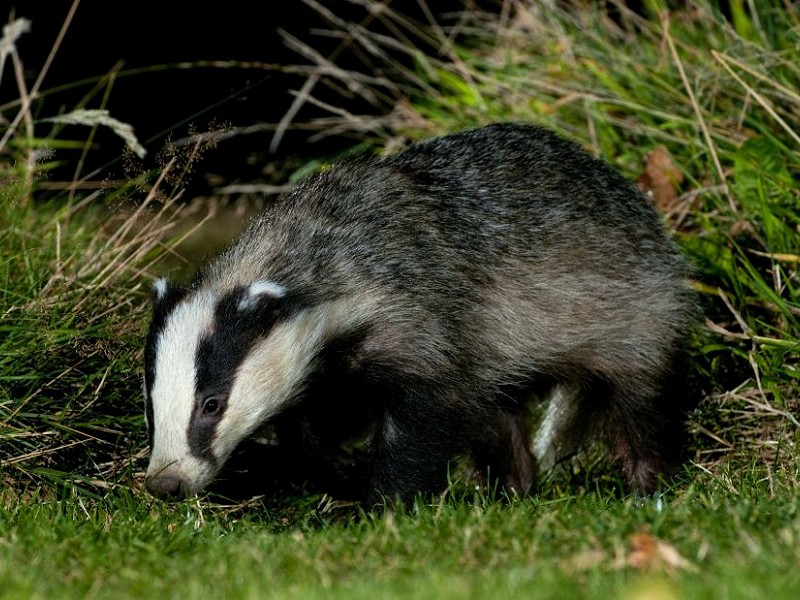
Walks, Talks and Courses in April 2019
Michael Blencowe looks forward to the Sussex Wildlife Trust’s wildlife courses, walks and talks in March
-
26 March 2019
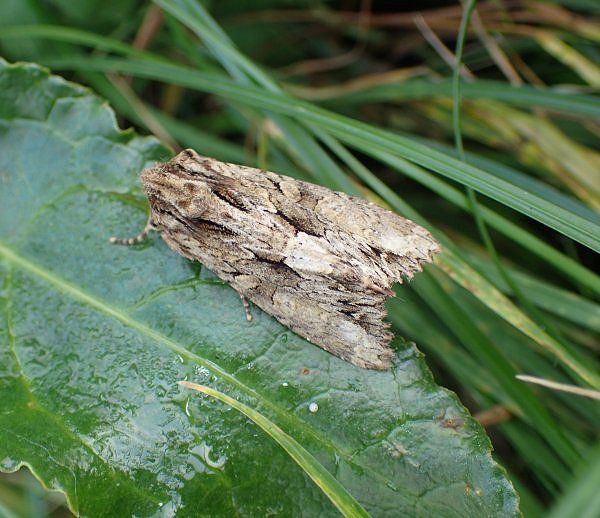
Doing the moth math
From 2004, when I began my employment at Rye Harbour Nature Reserve, to late 2018 I ran a moth trap at Lime Kiln Cottage.
-

25 March 2019
Wild daffodils
Wild daffodils may be harder to find but they do still grow in a few remaining fragments of their former range
-
20 March 2019
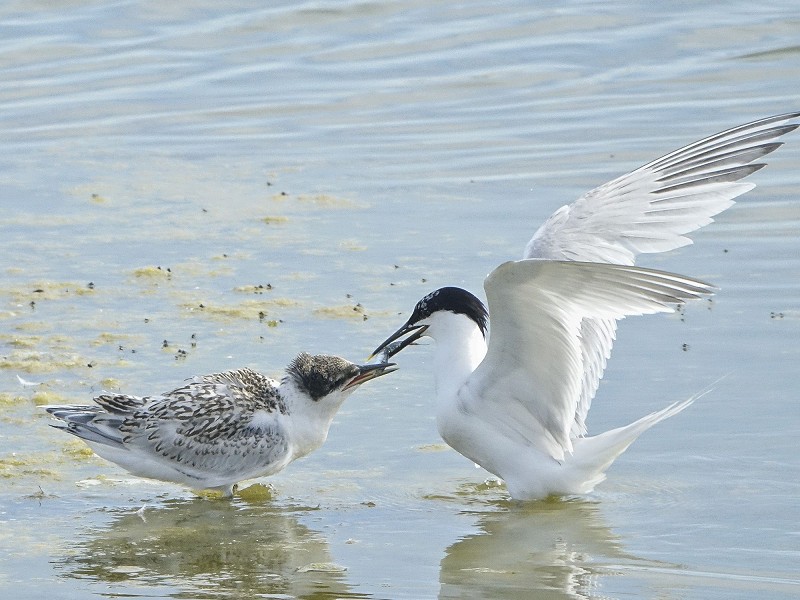
Help us secure the future of Sussex Wildlife Trust's first visitor centre
Sussex Wildlife Trust is making an appeal to its members and supporters to secure the future of the new Discovery Centre currently being built at Rye Harbour Nature Reserve.
-
19 March 2019
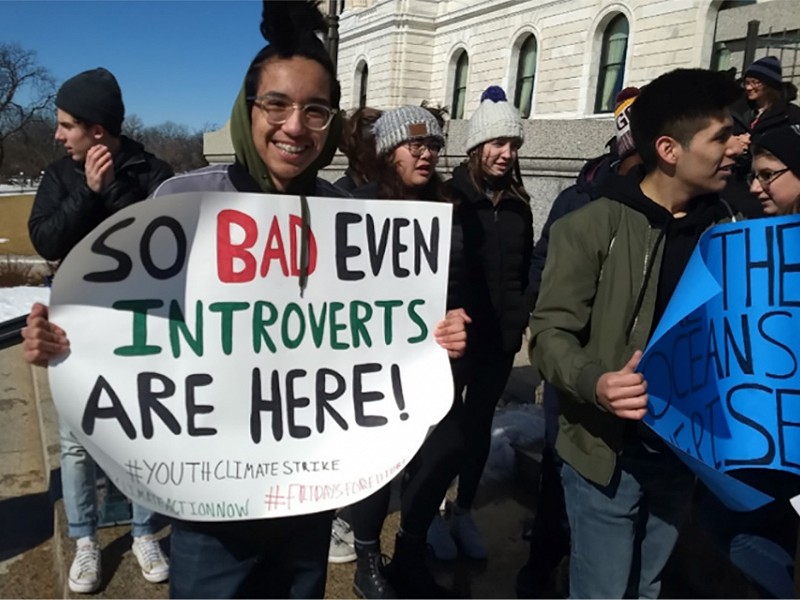
The last best hope
Friday 15 March was the day of the biggest climate strike by children and young people yet.
-

18 March 2019
Interview with Friends' Chair Cliff Dean
After Cliff Dean, Chair of the Friends of Rye Harbour Nature Reserve, has handed over the key to Lime Kiln Cottage to Baxall Construction for the start of works on the Discovery Centre, we speak to him about what the project means to him.
-
18 March 2019
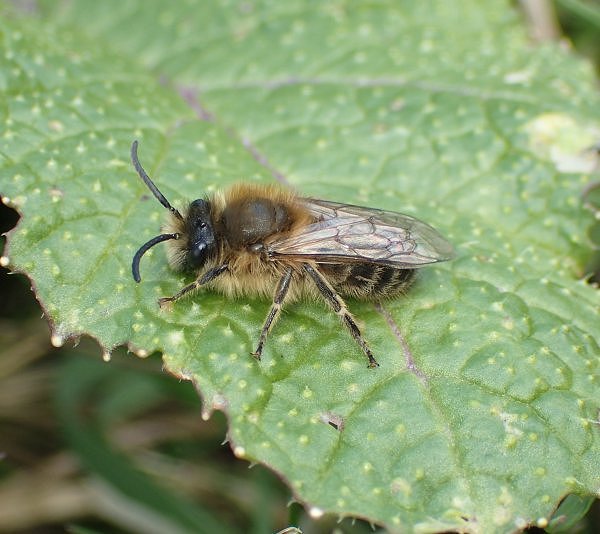
I'll bee seeing you!
It’s that time of the year when the temperatures are rising, the insects are becoming more active and I come up with yet another tortuous bee pun as the title for a blog post
-

14 March 2019
Behind the Lens with Dr Barry Yates
Rye Harbour Nature Reserve manager Barry Yates talks to us about managing the reserve, and how he came to discover his love of wildlife photography
-
14 March 2019
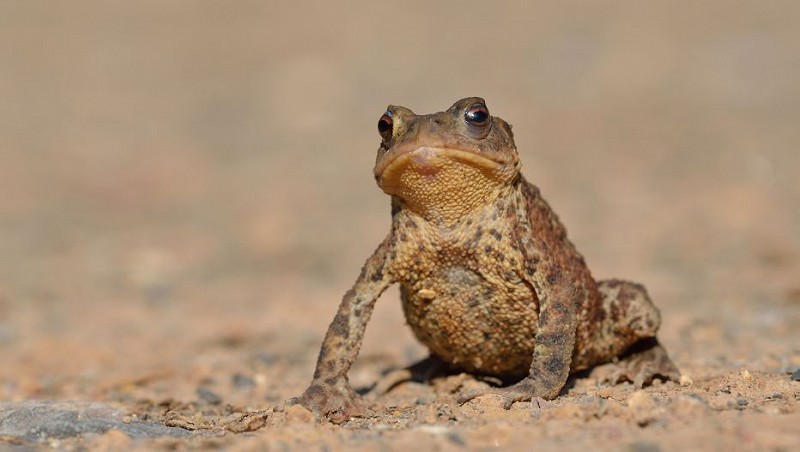
Why did the toad cross the road?
Toads are on the move as they return to their ancestral breeding ponds, ready to spawn.
-
13 March 2019
Work begins on the Rye Harbour Discovery Centre
Sussex Wildlife Trust is delighted to announce that Baxall Construction has started work on the Rye Harbour Discovery Centre.
-

10 March 2019
Ducking and diving
Ducks are wearing their finest feathers at this time of year. This makes it a lot easier to tell who’s who, since the mostly-brown females are helpfully accompanied by their brightly coloured mates.