
BioBlitz events 2026 for Volunteers Week
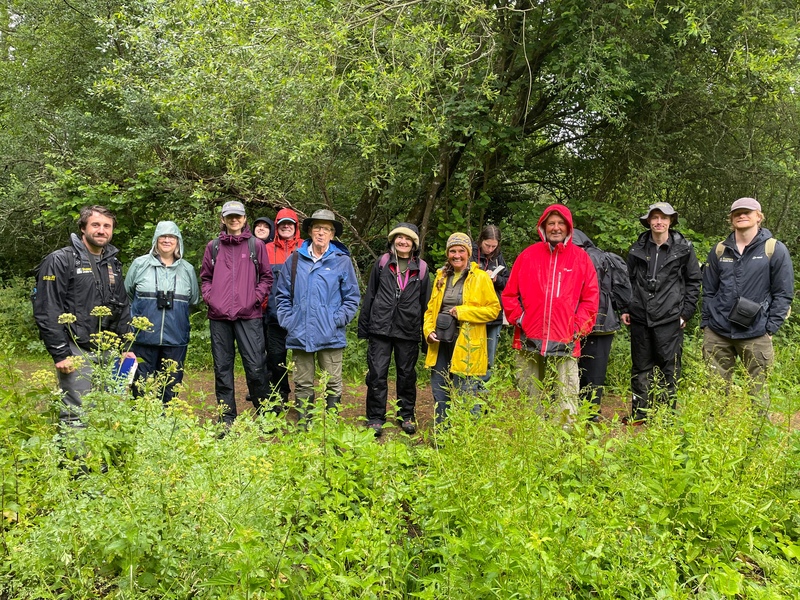
Julia Hoare (she/her), Volunteer Coordinator, Lou Mamalis (she/her), Monitoring and Evidence Manager, Harriet Trueman (she/her), Wilder Ouse Officer
Fifty-five volunteers joined more than 20 staff during the first week of June for our National Volunteers’ Week BioBlitz thank you events. These were great occasions, bringing together experts and enthusiasts to identify and record wildlife at Southerham Farm and Woods Mill. It was great to get a sense of the habitats at this time of year and find out how their wildlife is flourishing.
Moths
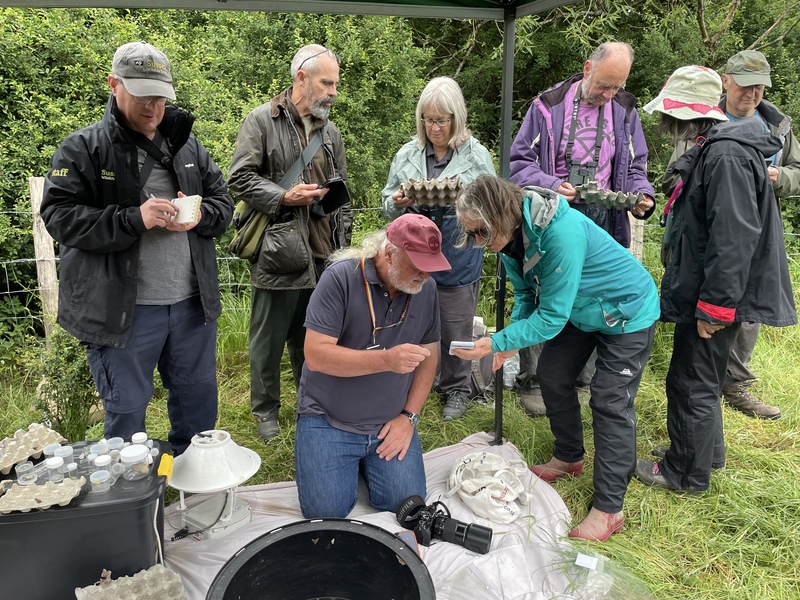
Both days began with our moth expert, Bob Foreman, opening traps that had been protected from heavy overnight rain by a gazebo. Despite the rain, an impressive 134 moth species were recorded, with only 58 of these duplicated across the two sites.
There has been a pause on consistent moth trapping at Woods Mill, so it was great to see species that are still present on site and some new ones! It was also good to see the moth species that Southerham is supporting as well, moth trapping has been done even less frequently here so it was great to start building up a baseline of species present on site.
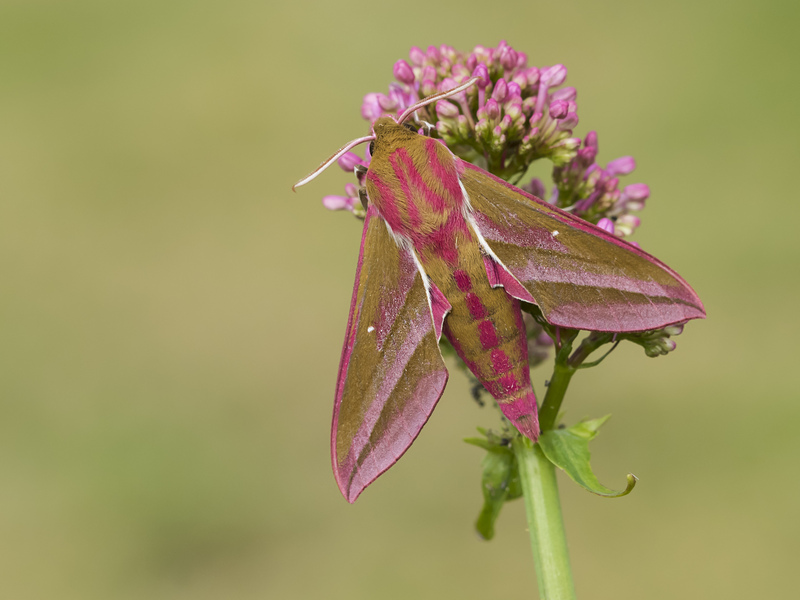
Among the highlights were a few firsts for the reserve species lists: the Great Twist moth at Woods Mill, a scarce and declining species in Sussex, and the Variegated Golden Tortrix and Light Arches moths at Southerham Farm.
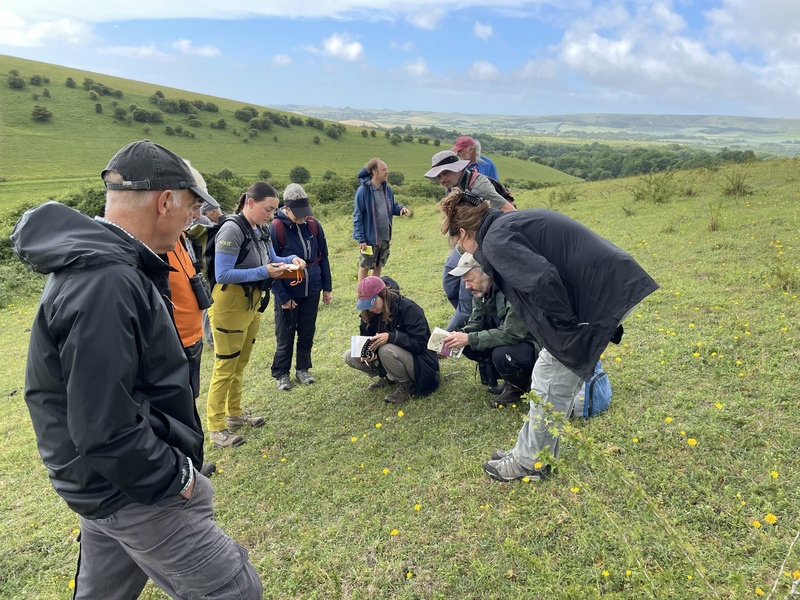
Southerham survey
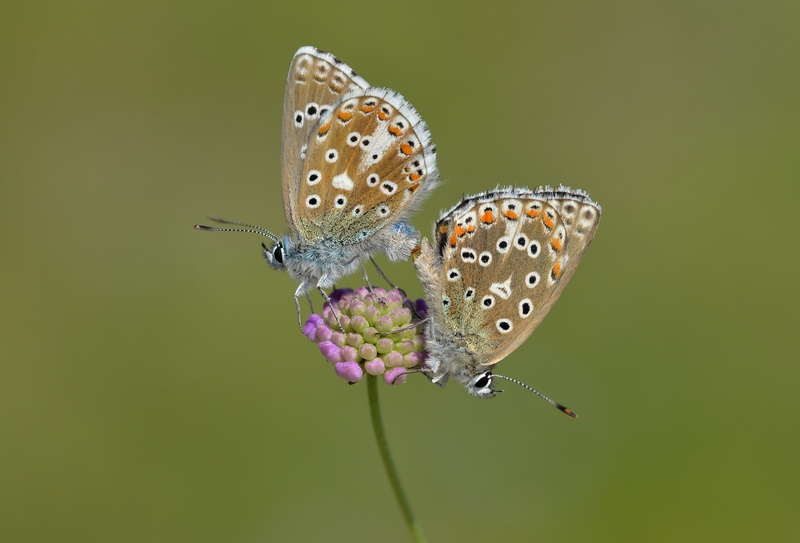
As hoped, other than the moths the Southerham records included a wealth of characteristic chalk downland wildlife such as Adonis Blue butterflies, Chalk Fragrant Orchids, Pyramidal Orchids and Skylarks.
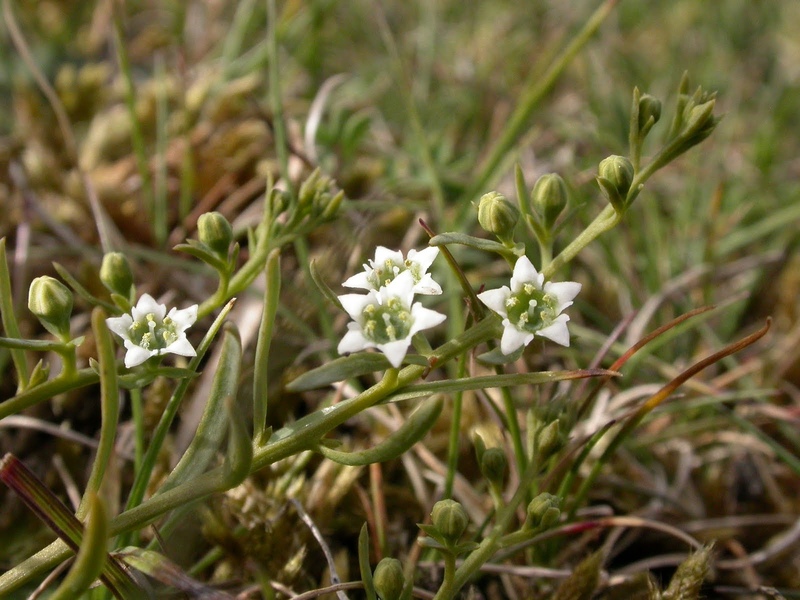
We were also lucky enough to record Bastard Toadflax on the site as well. This species is often found on heavily grazed chalk grassland and is a delight to see. It is relatively rare, restricted to a southerly area of England. It is a hemiparasite which means it obtains water and nutrients by tapping into the sap of other plants. It can photosynthesis, but poorly as its leaves are only 1mm by 8mm. Its presence is a good indication of grazed, lowland, species-rich calcareous grassland habitat.
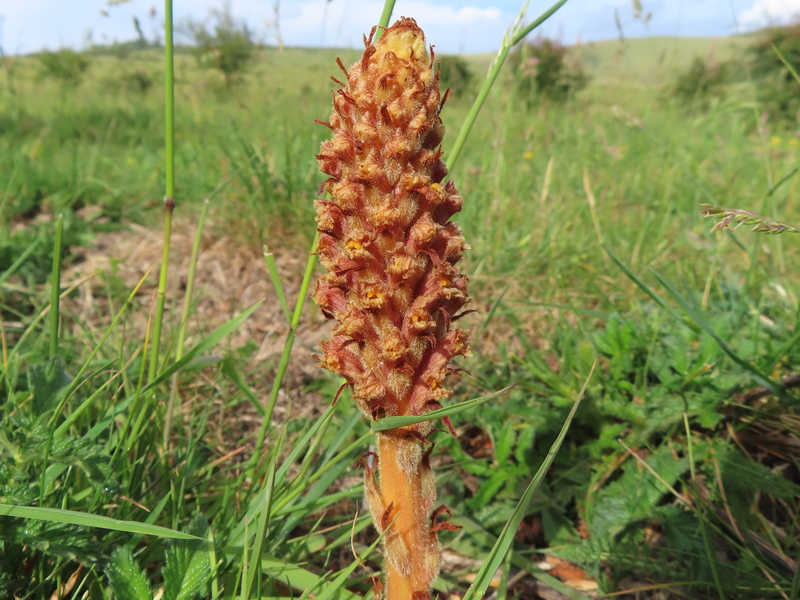
Another notable observation was Knapweed Broomrape at Southerham Farm, a parasitic species that is mainly found in lightly grazed or ungrazed chalk and limestone grassland and is on the Sussex Rare Plant register. It is another species that relies on other plants to get its nutrients, namely knapweed. Although it was just one individual it is positive to see the grassland at Southerham supporting such a rare plant species.
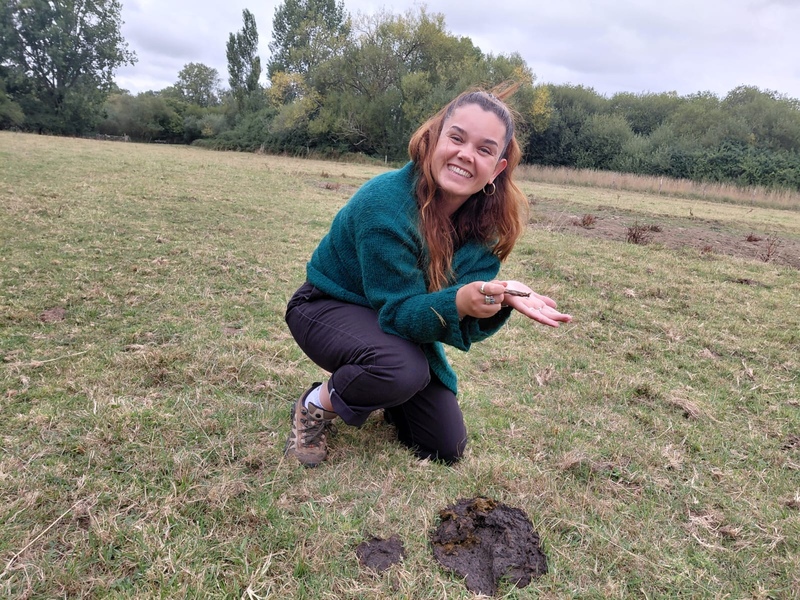
Dung Beetles at Southerham
After sorting through a considerable amount of cow dung, we recorded around 30 individuals representing at least 5 species, though there were likely more. Dung beetles can be challenging to identify without a microscope, so some species remained unidentified.
While it was exciting to find such a variety, the overall numbers were relatively low considering the amount of dung surveyed. The cows whose dung we surveyed have only recently returned to Southerham, and dung beetles can take time to discover and recolonise new dung resources. Surprisingly little is known about how these important insects disperse across the landscape and from her own observations our Dung Beetle enthusiast Harriet Trueman reports that they're fairly clumsy fliers!
Woods Mill
In addition to the moths, Woods Mill revealed an impressive range of woodland, wetland and grassland species including Golden-bloomed Grey Longhorn beetles, Common Spotted Orchids, Reed Warblers and Small Red Damselflies, demonstrating the rich variety of habitats found within the reserve. Seeing this diversity of species is really encouraging to demonstrate that our conservation management is working in the right way to support these important and varied species.
Survey data
The event resulted in a long list of species which gave a nice overview of some of the key and rarer species present. It was also helpful to be able to submit these records to iRecord to contribute to the wider database.
What next?
We will be looking to run similar events to these again in the future to gather more baseline data as well as some more targeted surveys to collect data on specific habitats or species groups.