
Bio-bead incident update
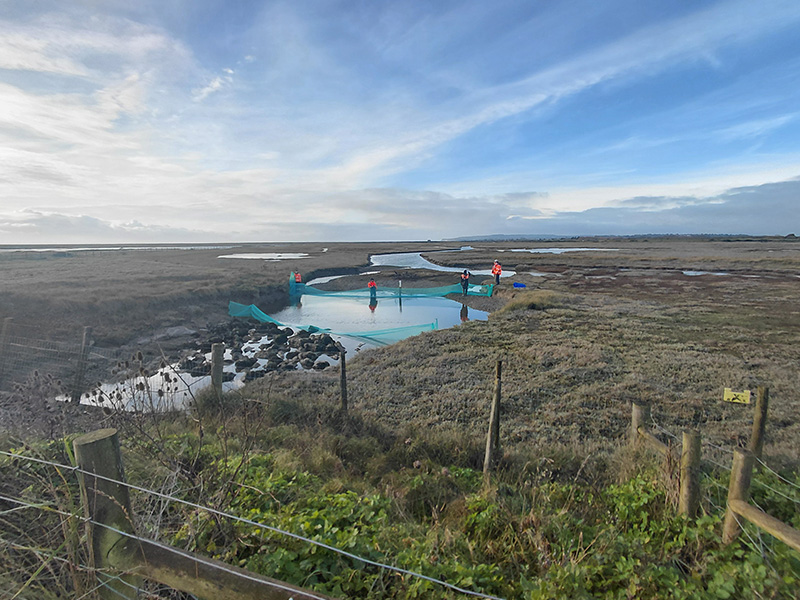
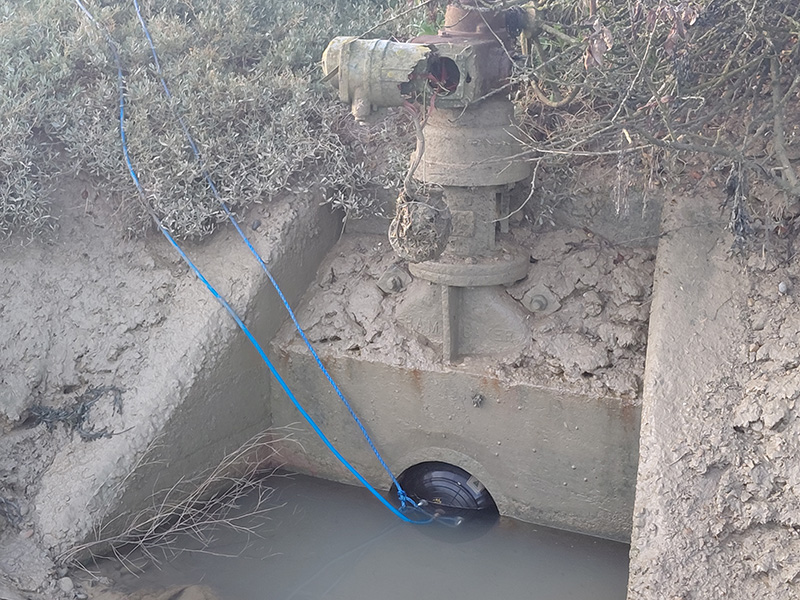
The bio-bead incident continues to take up our time as we move into a phase of clean-up on the saltmarsh. The two sluices are both blocked to ensure no more bio-beads can get into the nature reserve. We can't stop the important ebb and flow of the tide for too long or the saltmarsh could be damaged – fluctuating water levels are essential to maintain this important habitat.
Following discussions with Natural England, a remediation approach is now being carried out involving direct removal (method to be finalised based on trials) and trapping beads with mesh filters using the incoming and outgoing tides. We are satisfied this is the best way of maximising bead removal whilst minimising the amount of habitat damage.
Surveying the other potentially affected sections of the reserve (Wader Pool, Flat Beach and Salt Pool) has also started alongside the saltmarsh clean-up.
If we start to see an uplift in the numbers of dead wild birds, it may also be possible to arrange autopsies to determine whether bio-beads are a factor in the cause of death.
Meeting with Southern Water
We have also had a constructive meeting with the Southern Water CEO. They understand why we are all so frustrated and angry by what has happened. However, it was reassuring to hear they have accepted full responsibility and will pay for all the clean-up costs, including the contractors working on our nature reserve. We also pressed them on the cause of the spill, which appears to be due to damage to a retaining screen, allowing the bio-beads to escape. We were encouraged to hear there will be a full independent investigation to understand what has happened and, critically, we have been assured that the findings will be made publicly available. Of course, it is already clear that the only foolproof way of ensuring this never happens again is to phase out the outdated bio-beads and replace them with modern membrane technology. This will come at a substantial cost. However, although there is a substantial cost of switching, there is also a substantial price of not switching. There is the significant cost of the clean-up, but the environment has paid a heavy price too. This cost is not a financial one; it is the short-term and long-term impact on wildlife and the environment which no amount of money can repair. As a consequence, we will be pressing to phase out bio-beads.
This is not just a Sussex issue – it will require national political support. The fact that this incident has attracted comment from the Prime Minister down means we can be optimistic about the chances of success. We now need to work out how we can best channel all the concern, anger and frustration that we all feel and make sure our political leaders take the action which this terrible incident has demonstrated is so desperately needed.
Comments
Yet more irreparable damage to wildlife and the environment with huge long-term consequences has occurred due to systems which put them at risk being used when there are more expensive alternatives. Until the natural world is placed at the forefront of all infrastructure considerations, these types of incidents will recur. Legislation is absolutely required to ensure the cheaper, but risky, options do not continue to be used. Organisations such as the water companies have repeatedly proved themselves to be only concerned about profits for their shareholders over at the expense of the environment.
When is someone going to rein them in and force them to act responsibly?
01 Dec 2025 09:05:00
Is there a letter that can be drafted with a link for us to sent to our Sussex MP Nusrat Ghani? Where might you advertise the link if so?
10 Dec 2025 14:14:00
Sussex Wildlife Trust:
Hi Lucy, you can sign a petition here to end the use of Bio-beads: