
Behind the Lens with Tim Nightingale
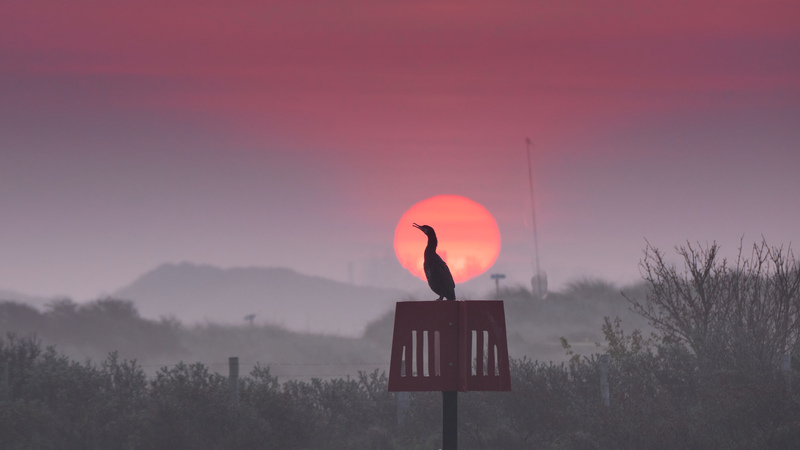
Tim Nightingale's Cormorant Sunrise photograph, taken at Rye Harbour Nature Reserve, was voted winner of the 2023 photo competition. Emma Chaplin caught up with him.
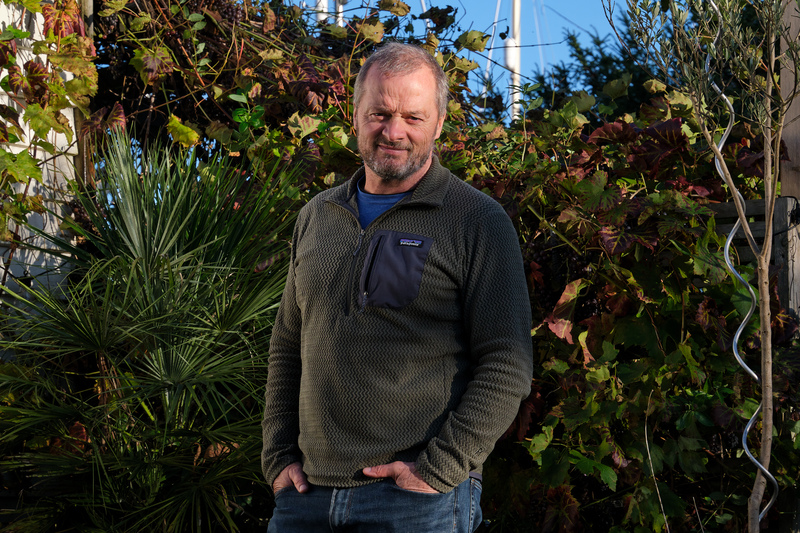
Tell us a bit about yourself
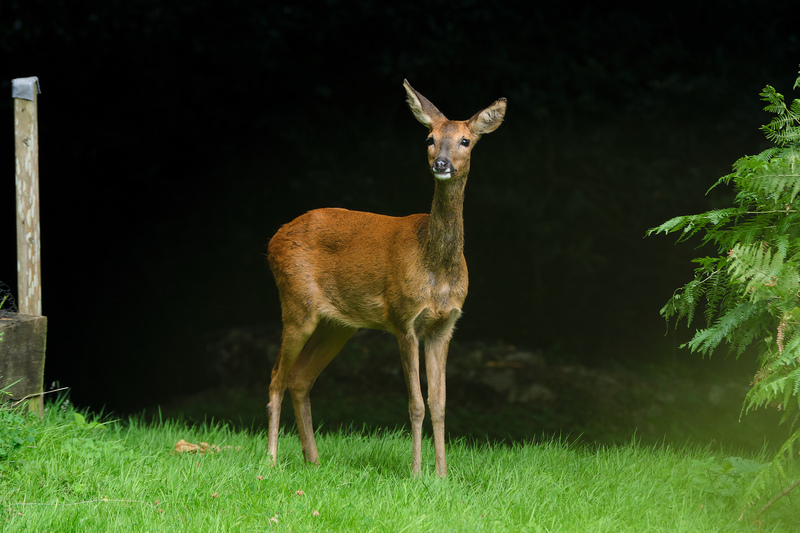
I'm 63 and have run my own small business for the last 30 years. I live with my lovely partner, Karen, and have a house surrounded by a forest, with Roe and Fallow Deer, as well as other wonderful wildlife. Being outside and in nature, seeing wildlife really is my happy place.
In the 1980s, I got into doing ski photography in the Alps. I picked photography up again about ten years ago, doing landscapes and wildlife, although I don't have as much time for it as I'd like.
Most of my photographer friends are avid birders, which means I can learn from them. And whilst I love photographing birds, I get a buzz from deer. I particularly like the rut, which is fantastic, but difficult to get a shot without another photographer appearing within it.
How did you get the winning shot? (main blog image)
I went down to Rye Harbour Nature Reserve at first light on 30 April this year. I got there just after 5am, before the sun came up, or blue hour. I followed the path that down beyond the Discovery Centre. There wasn’t another soul in sight. As I got nearer to the beach and the Rother’s estuary, the sun was just beginning to come up from behind the dunes on Camber Sands. I spotted the Cormorant on the channel marker and managed to get in a position where it would be silhouetted. With the brightness of the sunrise and the low light in the scene generally, I used a tripod and shot it using a telephoto lens at about 300mm. The Cormorant was very accommodating, allowing me to fire off a few different shots. It really just came down to being in the right place at the right time and I’m glad I made the effort to get up early!
What equipment do you use in brief?
I use a Fujifilm X-HS2 and the lens for the winning shot was a Fujifilm XF 150-600mm.
What are you trying to communicate with your photos?
With wildlife, it's about trying to find, see and capture a shot. Once you have a basic image, the next step is to think how you capture a better one - in terms of location, composition and light etc. A Cormorant on a channel marker is an everyday occurrence; a Cormorant sitting there as the sun rises behind it is a bit different.
Any tips?
For wildlife, try to be clear what you're going out for. It's fine to change your mind if something else comes up, but if you know your subject and pick your location and timing to suit it, you'll have the best chance of getting the photo you want.
Secondly, be patient, be quiet and get your camera set up so it is ready to go – right exposure; lens cap off; continuous shooting mode on etc.
Thanks for being a member!
Pleasure. I signed up when I was visiting Rye Harbour Nature Reserve. My brother and his wife live in Rye, so it works out well after an early morning photo perambulation around the reserve to go and see them for a cup of tea, or, if I am lucky, some breakfast.