
Behind the lens with Phil Winter
By Emma Chaplin
Communications Officer - Media
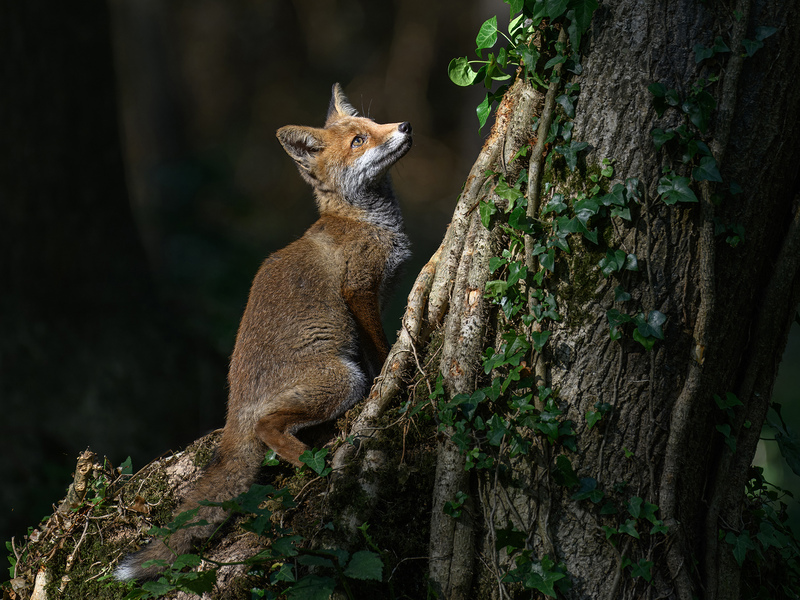
Phil Winter is a member of the Trust, who produces the most wonderful wildlife photos. Recently, he won the Mammal Society, Mammal Photographer of the Year Award for this stunning photo of a healthy, well grown Fox cub.
We asked to to tell us more about himself and his work:
"I always carried a camera with me as a boy when I used to go fishing at Barcombe Mills. I had a Yashica J5 and I photographed anything connected with wildlife. The results, not surprisingly, were pretty poor. 15 years ago, I retired, sold my engineering business and returned to wildlife photography. Obviously, digital had taken over and I bought a Nikon D70. It was a 6 MPX camera and I used it for a couple of years. When mirrorless cameras arrived, I changed from a DSLR and now use a Nikon Z9. Mirrorless proved to be a game changer, especially for sensitive species. Taking photos without the clatter of the mirror slapping up and down, changed my success rate enormously.
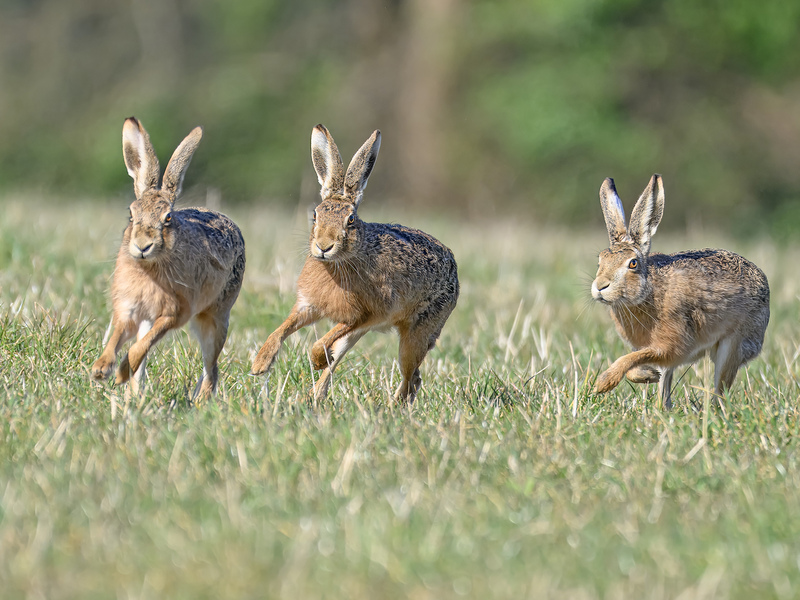
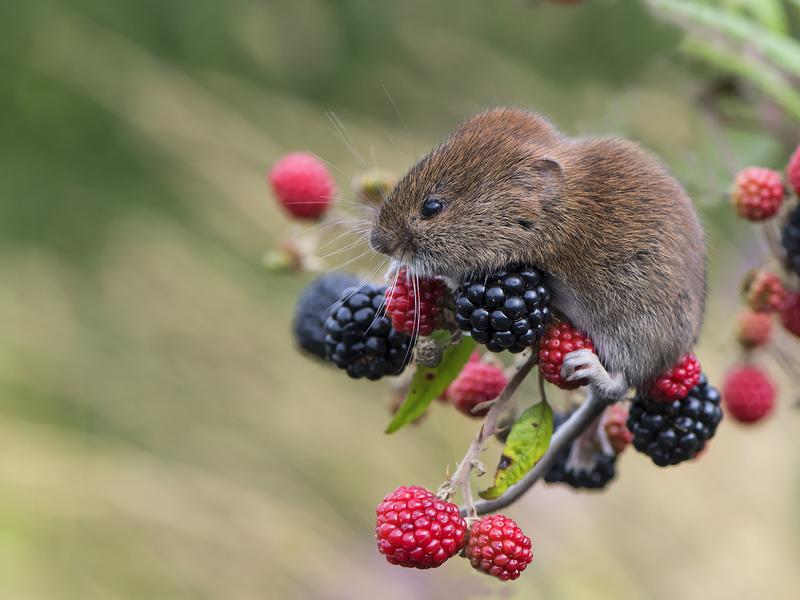
I live in the country and don’t have any nearby neighbours, so there is plenty of wildlife on my doorstep, much of it in my garden.
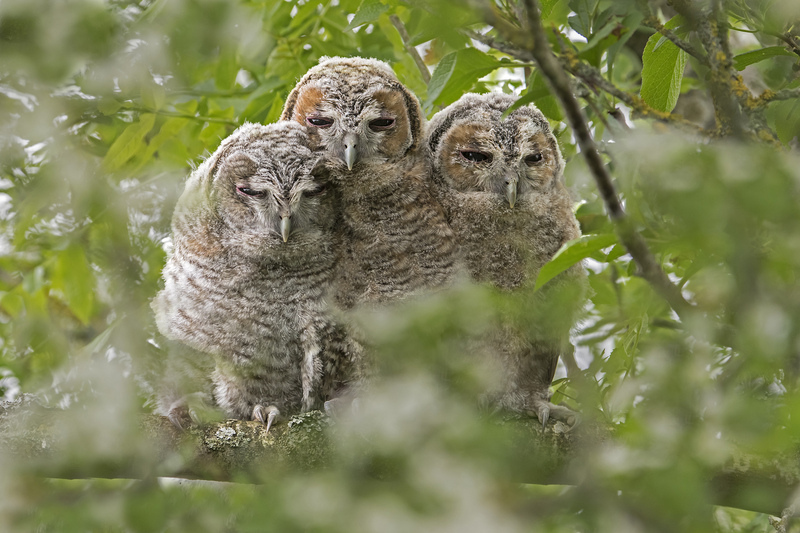
I don’t have a favourite subject, but I do get a special thrill photographing birds of prey, including owls. Over the years, I have made numerous nest boxes for Kestrel, Barn Owl and Tawny Owl.
I rarely go out without a subject in mind. The Fox photo is a good example of how I set about capturing a set of images. I already had permission to photograph in the tiny wood close to home, but the dreaded Ash dieback had taken its toll. Many trees had fallen like skittles. It was a huge task clearing the site, but slowly the ground began to take on new life as the sunlight reached the floor.
A few Bluebells appeared, as well as Lesser Celandine. Patches of Ramsons arrived as if by magic.
The Fox image that won the Mammal Society's Mammal Photographer of the Year Award (header photo), came about after I set up a temporary pop-up hide to discover the best place from which to take photos. Once happy, I built a permanent structure and I've spent the last year taking photos there.
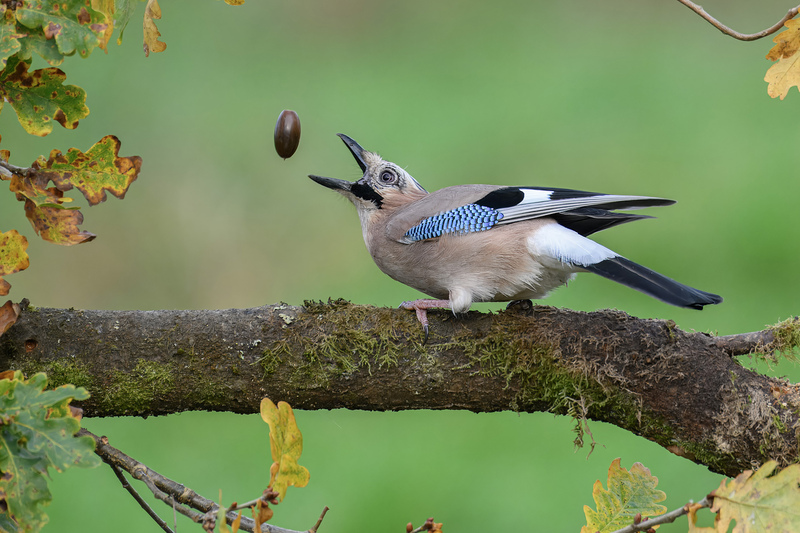
Outside the wood, there's a few acres of scrub where I built a hide. It has proved exceptional for photographing Jays in the winter, when the migrant birds arrive from North Europe.
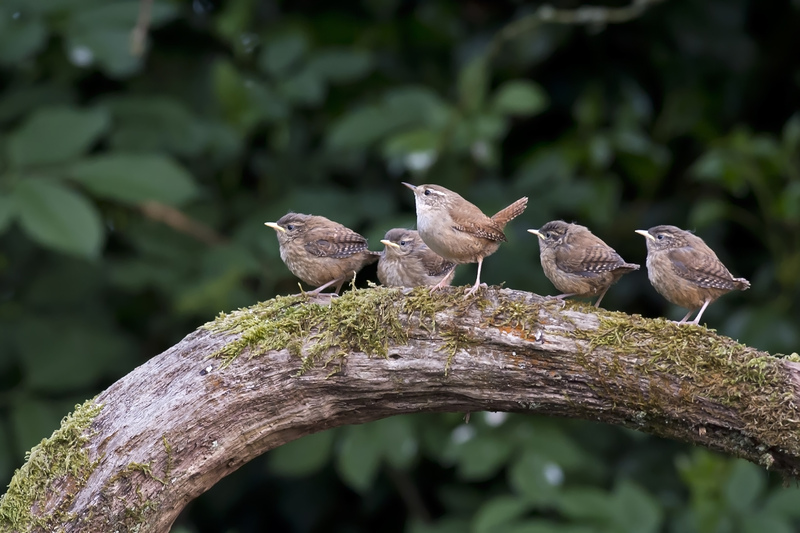
I often use my Land Rover as a hide for photographing the regular small birds here. Once, I drove onto a small area which is peat, instead of the Sussex clay which covers the rest of the land. The Land Rover sunk and I had to call on a farmer friend to pull me out. As the mighty tractor took up the strain, the Land Rover rose from the mud like Excalibur. Immediately, the gaping hole began to fill with water. The water was crystal clear and I quickly received permission to create a small pond. A friend with a digger arrived and, in a couple of hours, the landscape changed forever. Over the next few weeks, the black peat surrounding the new pond naturalised and wild flowers grew. Ragged Robin soon established and Reedmace grew in the pond. The pond is spring fed and the water level never changes. Marsh Frogs arrived, along with Grass Snakes. Moorhens nest here and finally a Kingfisher arrived.
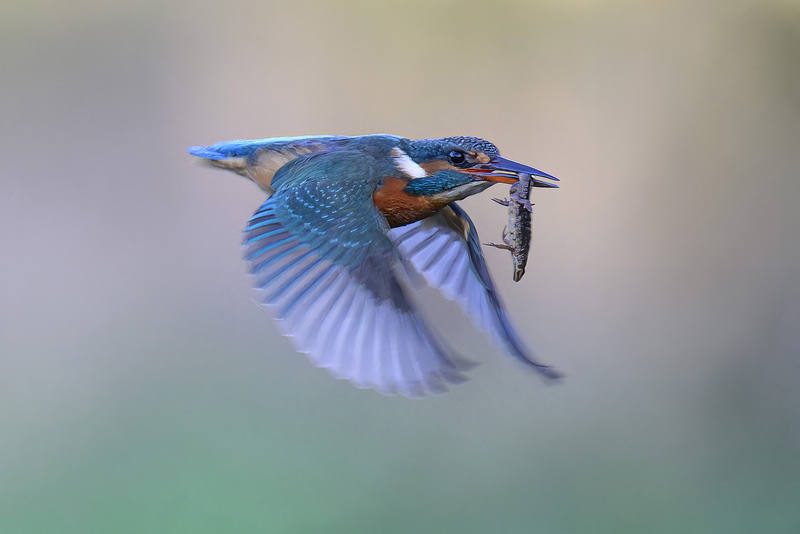
When selecting photos for this blog, my choice kept changing, so eventually I settled for images that have special memories and not necessarily for their technical quality."
To enjoy more of Phil's photography visit his Flickr account