
Behind the Lens with Paul Naylor

Tell us a bit about yourself
I’m a marine biologist who fell in love with the sea on childhood holidays to the Norfolk coast. A fascination with marine life then dominated my life.
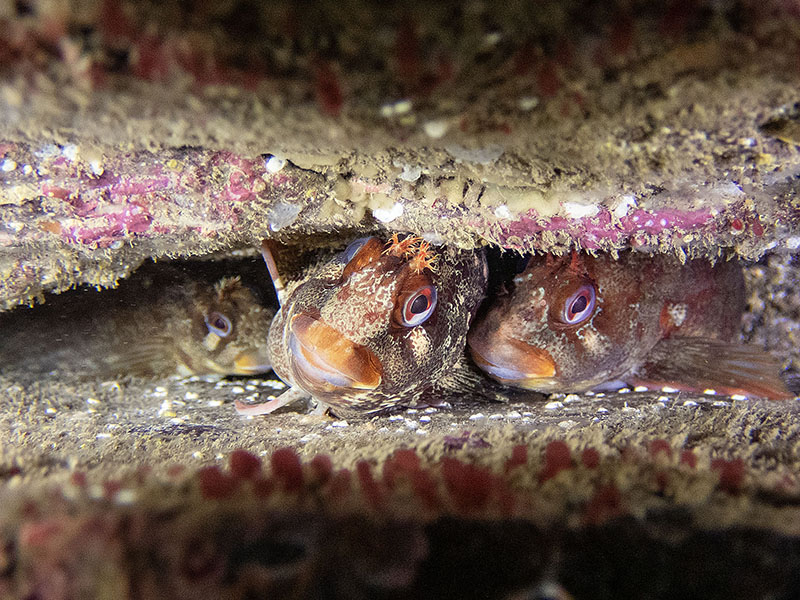
I used to work for the Environment Agency, and did marine photography as a sideline, but am now retired and so able to be a full-time marine educator and photographer. I live near Plymouth which has clear water as well as great marine life. I also love Brighton, which I discovered when visiting my daughter. The pier is a known dive site, and it is amazing down there, especially the busy population of Tompot Blennies. Where I dive regularly, I can distinguish individual Tompot Blennies by their skin markings, so I’ve been watching, photographing and studying them for years. I discovered through my fascination with them that they have ‘sneakers’ in their midst. You also see this in Red Deer, Octopuses and other fish – but it wasn’t previously known that Tompot Blennies had ‘sneakers’. This is when a junior male sneaks into a dominant male's territory and surreptitiously fertilises some eggs while a visiting female is laying them. By recognising individuals, we also discovered that ‘sneakers' become respectable homeowners later in life, and are then actually known as ‘bourgeois' Blennies.
I sometimes dive with my wife Teresa, who has written a children’s book about the life of a real Tompot Blenny called Benny the Blenny’s Shallow Sea Adventure.
Tell us about your marine photography
I’ve been photographing marine wildlife for over 40 years. In that time, the biggest change has been the introduction of digital photography. You used to only be able to take 36 shots per dive, and you couldn’t check the results straight away. With one camera, where you couldn’t look through the lens, you might have left the lens cap on the whole time and not realised.
What do you love most about the sea?
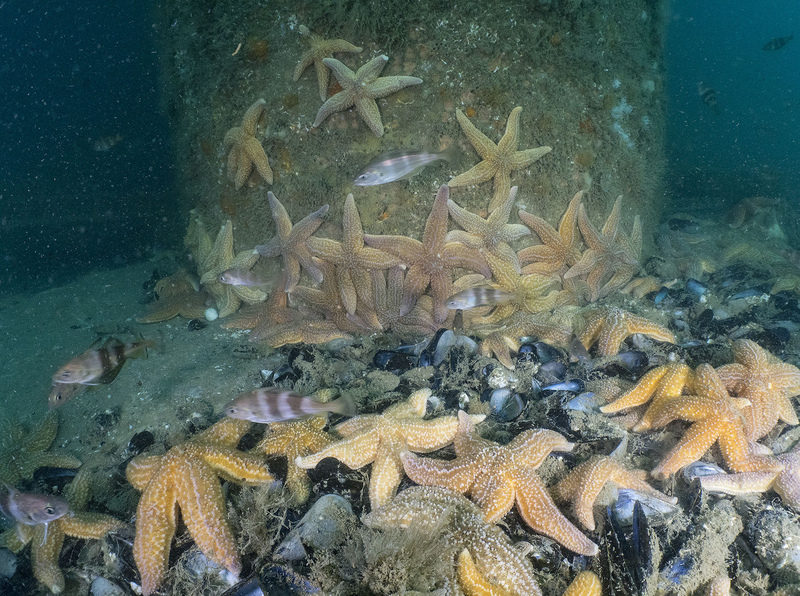
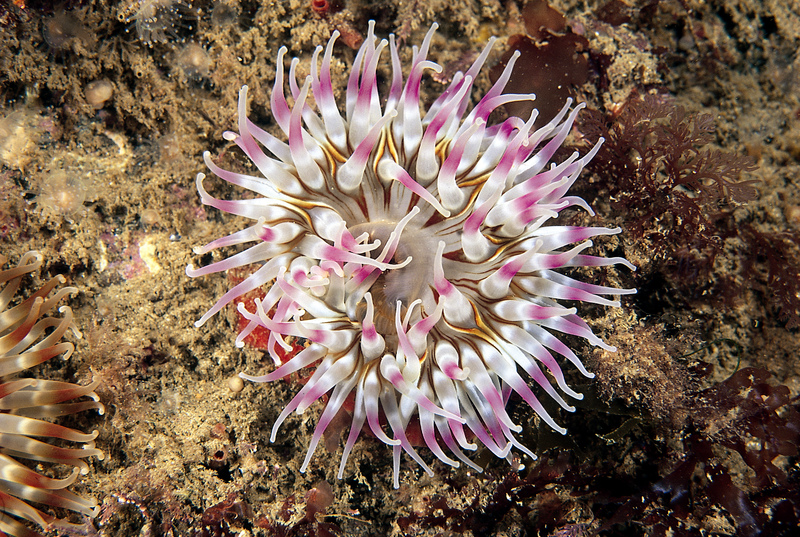
The fact that it’s a different world but is so close and accessible. You feel like you’re in a different place. It’s so beautiful and mysterious, full of amazing creatures, and such a variety of them. Every animal on a land has a representative in the sea – vertebrates and invertebrates. But there are no land anemones or starfish for example.
When is it best to take photographs?
When the water is calm and therefore clear. You won’t see what you could do if it’s stormy.
Tell us about any particular equipment you need to do it.
A mask is the minimum but snorkel, fins and a wetsuit makes it easier and warmer. If you wear glasses, it’s worth getting your prescription in the mask so you can see the fabulous detail of marine life. I take photos both scuba diving and snorkelling, In terms of photographic equipment, I generally use a land camera in a waterproof housing but some compact cameras are amphibious and waterproof without a housing.
What is the biggest lesson you have learnt over the years?
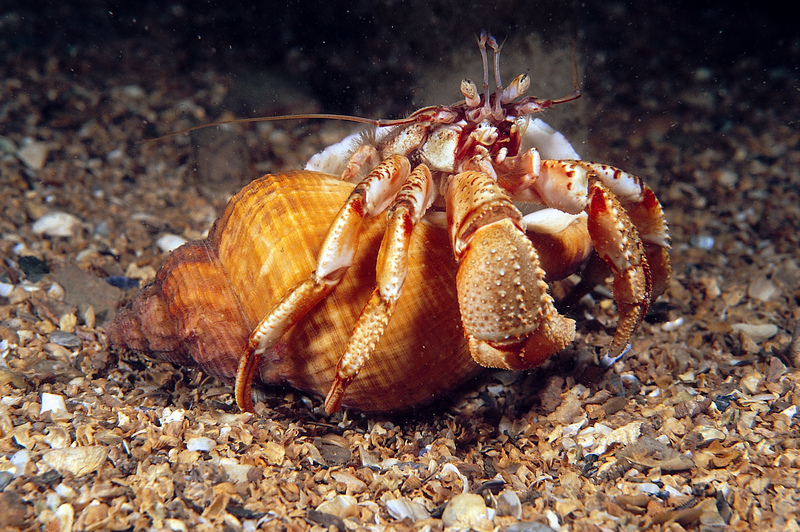
You need to be patient. Wait for the wildlife to come to you. Never chase it. All animals have fascinating aspects to their lives.
Do you have a particular subject matter you favour?
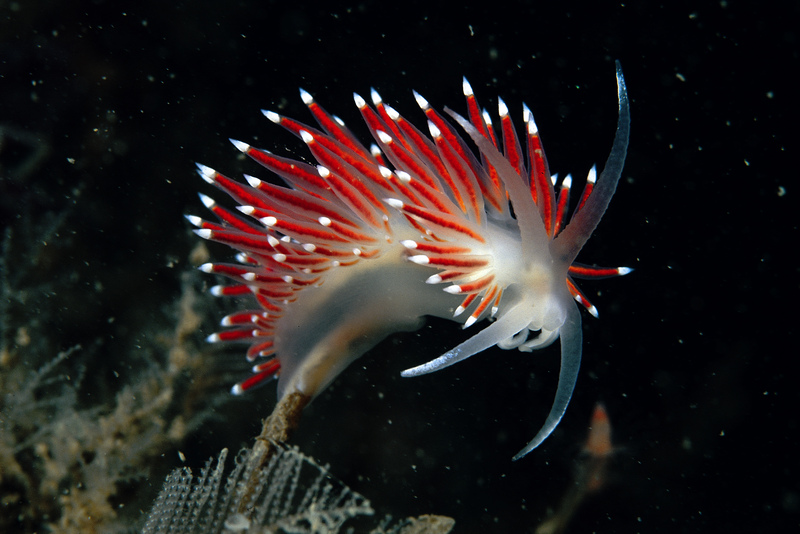
Animals doing their thing. I love creating stories about their behaviour.
Tompot Blennies are so bold that they often just carry on with what they are doing while you are filming. The males are territorial and can keep one spot where they guard eggs for many years. The females are more mobile and mysterious.
What are the biggest challenges?
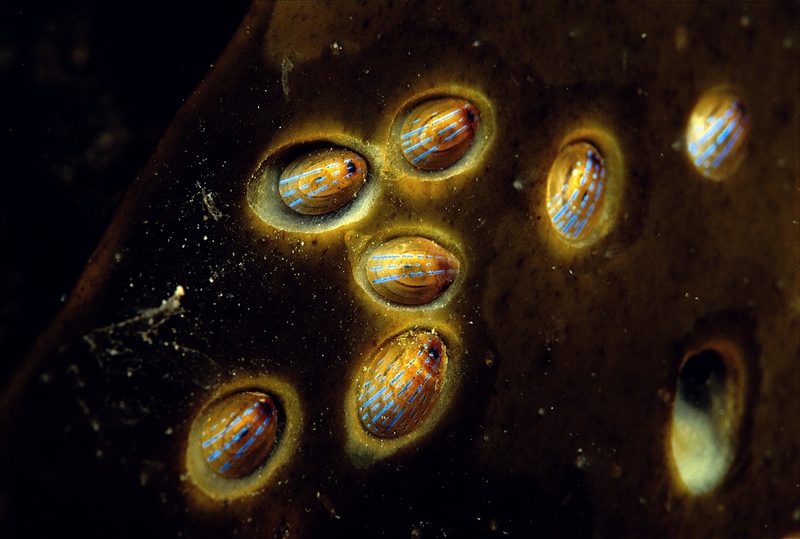
Getting the right conditions. Getting the animals to ignore you.
What’s your favourite shot?
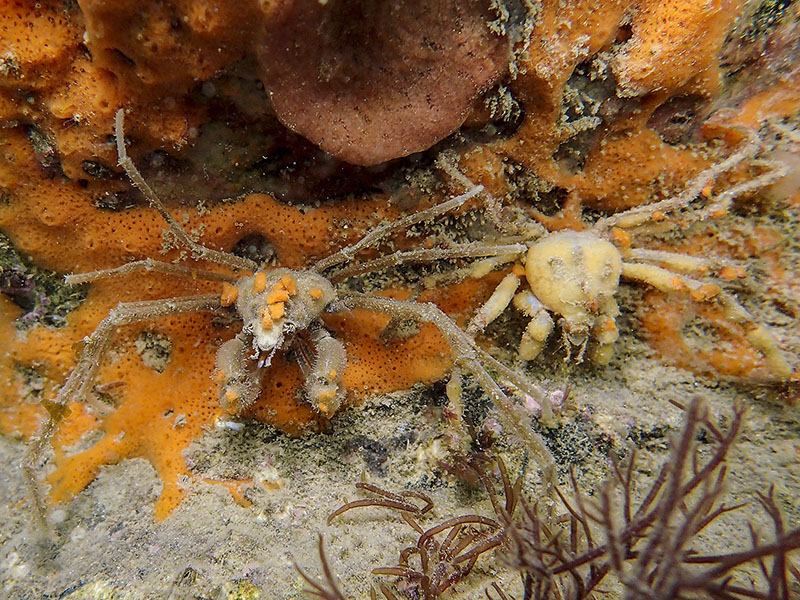
These crabs – if you look closely at the one on the left, it has little pieces of orange sponge attached to it. It will have carved the pieces out and stuck them on special hooks on its back, creating a suit of sponge that keeps growing, acting as both camouflage and protection (because it tastes unpleasant).
What are you trying to communicate with your photographs?
What an amazing place the sea is. What wonderful creatures call it home. How important it is to look after it. People often think British seas are cold and grey if they have no idea what’s going on beneath the surface. When I show people my photos, they think I’ve been somewhere tropical!
Have you ever had any surprises with a camera?
Fish can bully crabs and take their food so I assumed that was what I was watching one day. But the crab caught a fish and ate it, which was a shock, but much worse for the fish! Seeing a ‘sneaker’ Tompot Blenny in action for the first time was also a surprise.
More photos and video clips by Paul can be seen on Instagram; there’s also a link there to his web-site that has information on his latest Great British Marine Animals book.