Behind the Lens with Mark Mallalieu
Tell us a bit about yourself
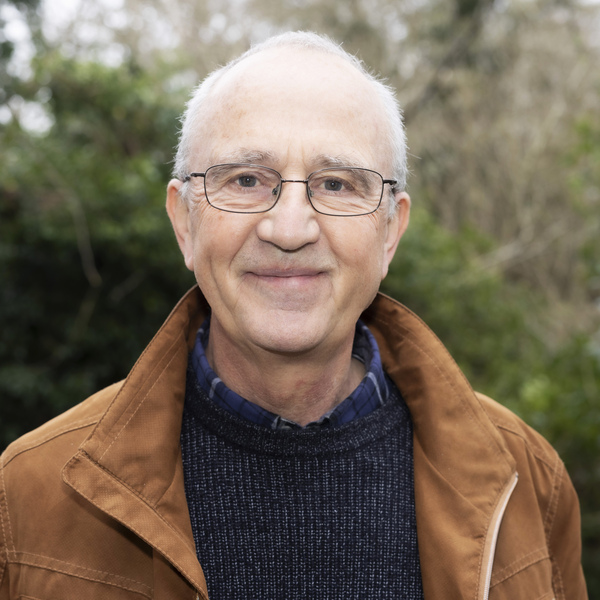
I was lucky enough to live and work for many years in Africa and Asia. Since retiring to Sussex in 2015, I’ve stayed put, studying some of the scarcest breeding birds of the wooded interior. I’m a Trustee of the Sussex Ornithological Society and just recently was delighted to be invited to join the Sussex Wildlife Trust as a Trustee.
When did you first develop an interest in wildlife and wildlife photography?
As a child I lived in Berlin in a house that backed onto a forest, with Golden Orioles in the garden. I’ve loved birdwatching ever since. In the 1970s my patch was Cliffe Marshes in north Kent and that’s when I could first afford a camera and telephoto lens. The advent of digital photography was a huge encouragement to take more photos.
How does photography help your fieldwork?
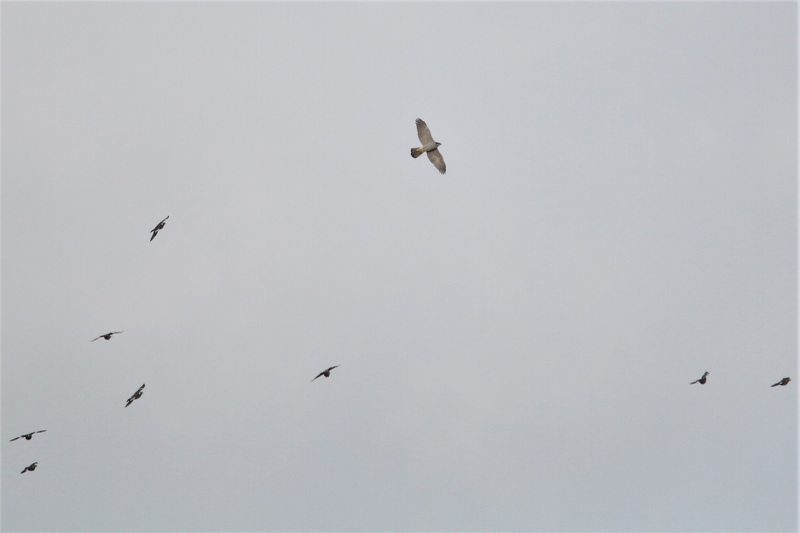
I’m a fieldworker with a camera, rather than a wildlife photographer, and I use my camera to try to capture images that tell the viewer something about the species in the picture. Goshawks hunt Woodpigeons, which scatter whenever one appears, as this photo shows.
What are the biggest challenges?
Most wild birds don’t allow you to get very close, so fieldcraft is at least as important as the camera equipment you have.
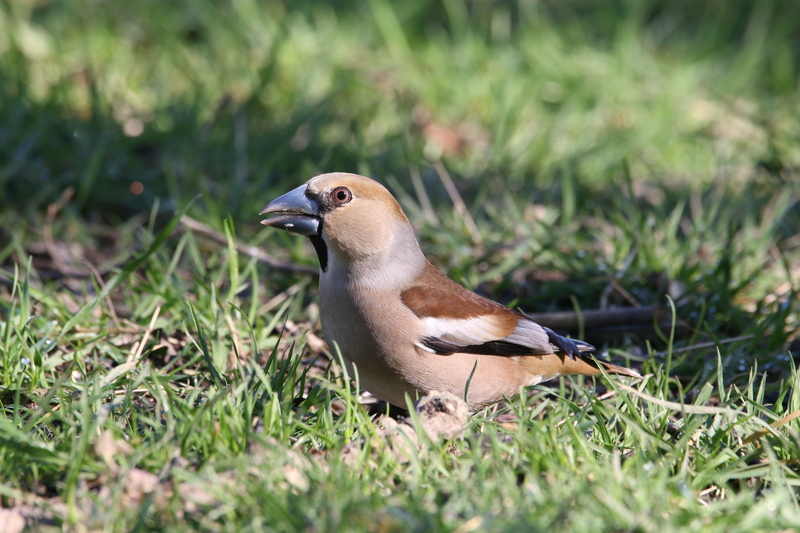
Occasionally, I use a hide and that’s how I obtained this photo of a shy female Hawfinch (above) near Netherfield in East Sussex. That huge bill can crack cherry stones.
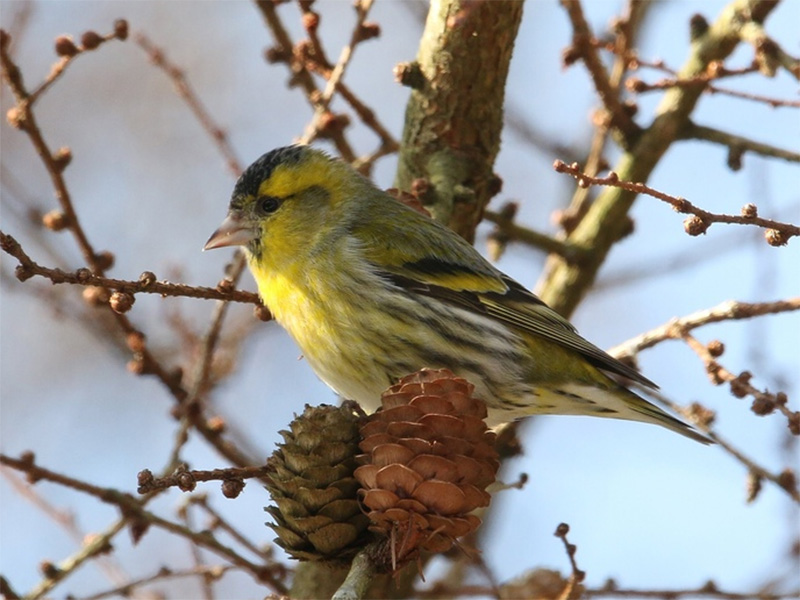
If you’re lucky, you may come across a bird that hasn’t learnt to fear humans. The main image is of a Siskin. It ignored me as it fed on Larch seeds. Maybe it was from a wild part of Scandinavia.
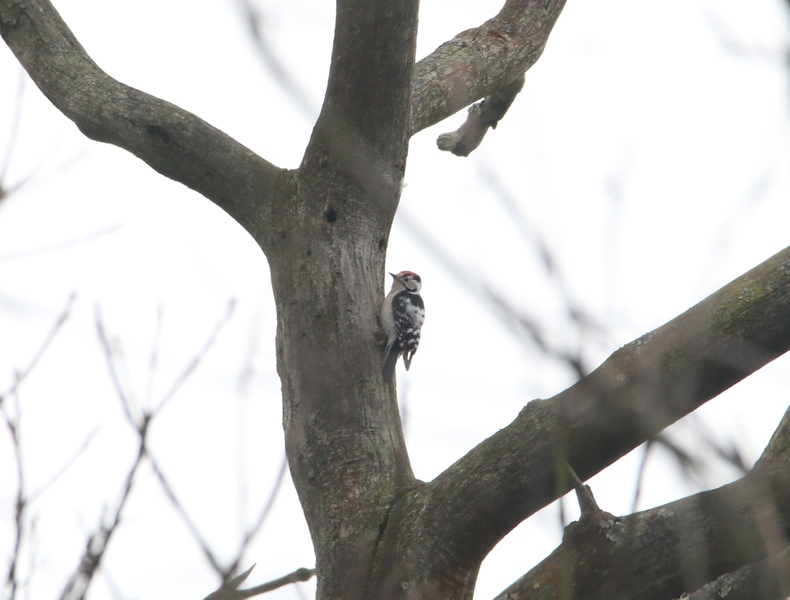
Some birds are both scarce and hard to detect, so getting even a poor photo requires persistence and luck. The Lesser Spotted Woodpecker (below) is the elfin spirit of the High Weald and one of my favourite Sussex birds.
What equipment do you use, in brief?
For bird photography, I use a Canon DSLR EOS 70D with a Sigma 150-600mm Zoom lens.
What's your favourite shot and why?
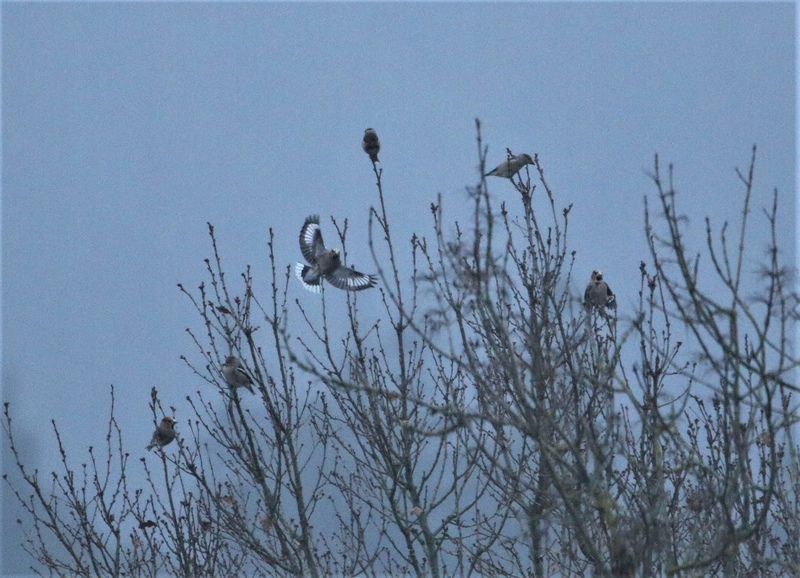
Hawfinches (below) are scarce and hard to see in Sussex, but they perch conspicuously on treetops around sunrise. I’m often in the field before dawn in the depths of winter, waiting for a flock to arrive in nearby trees. A view like the one below makes the effort worthwhile and the grainy image helps give a sense of what it’s like if you strike lucky.
Has anything unexpected happened when you've been out with your camera?
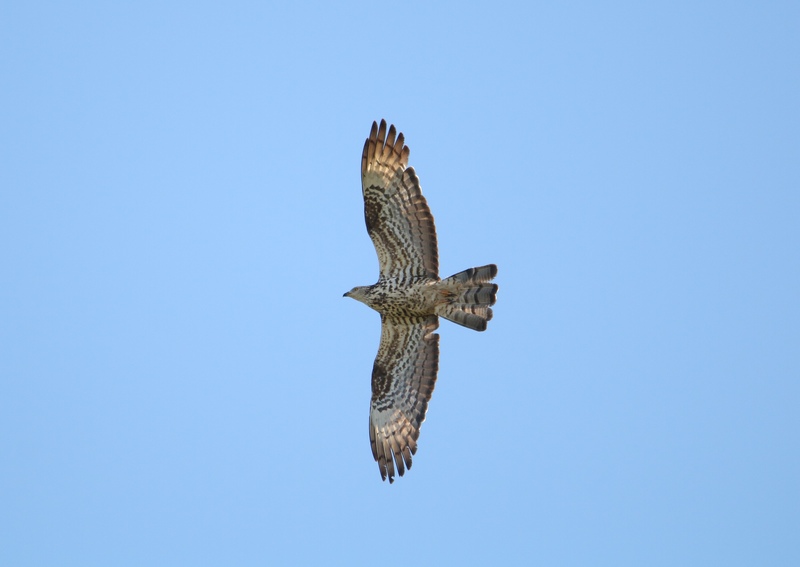
This female Honey-buzzard (below) circled right over my head one sunny day in late August, then flew south and was never seen again. There were fledglings in the nest and this female was heading back to Africa, leaving the male in sole charge of looking after the youngsters until they could fend for themselves in September.
Another surprise was finding a flock of Waxwings in Kingley Vale. Actually, I thought that these Starling-sized brown birds were Hawfinches, which I’d been searching for all day, so I was a bit miffed – though only for a moment!
Any tips?
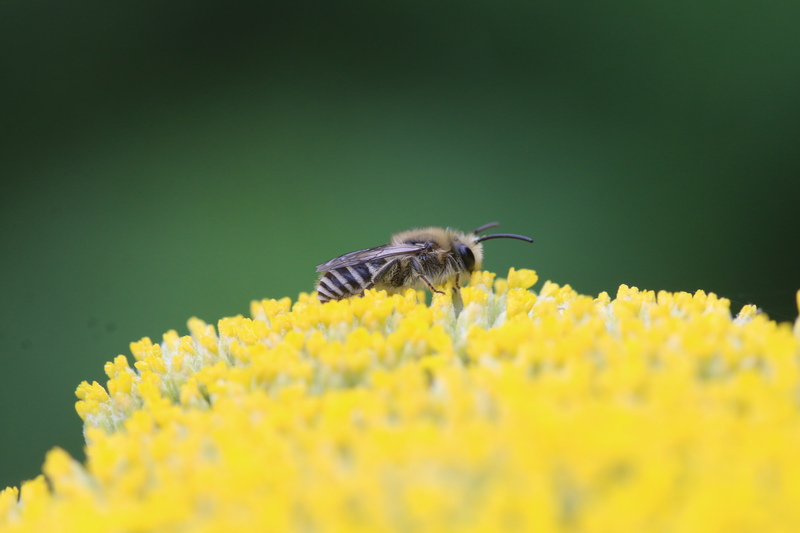
To lower your carbon footprint, make your garden as attractive as possible to insects and other wildlife and see what you can find and photograph. I’ve photographed almost 50 species of bee in my Haywards Heath garden, including nationally scarce species. A macro lens really helps you obtain clear and sharp images.
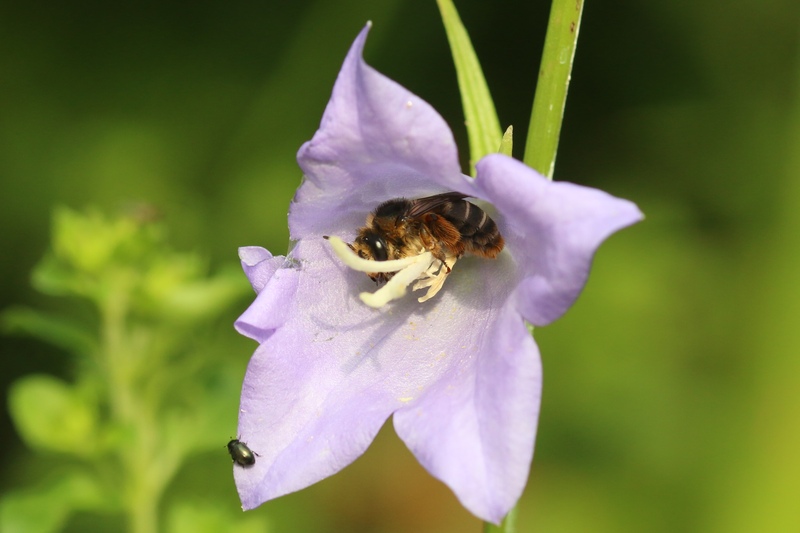
This solitary bee (above), a Gold-tailed Melitta, loves bellflowers. It’s eyeing the beetle with suspicion, with good reason, as the beetle crawled up and poked it in the abdomen! Davies’ Colletes, below, likes yarrow, so the cultivar Achillea ‘Gold Plate’ attracts them.
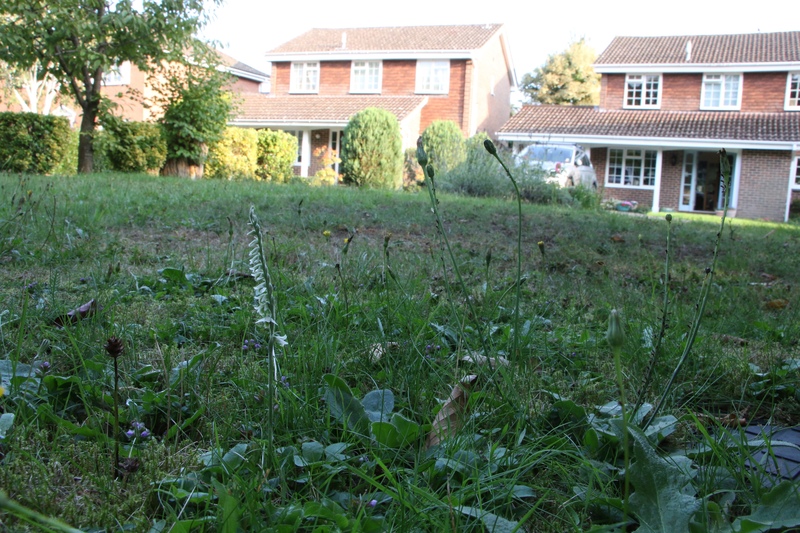
If you’ve got space for a wildflower meadow, that’s even better. Long-buried seeds may germinate, even in suburbia, like this Autumn Lady’s Tresses orchid, below, or Grass Vetchling.