
Behind the Lens with Lisa Saw
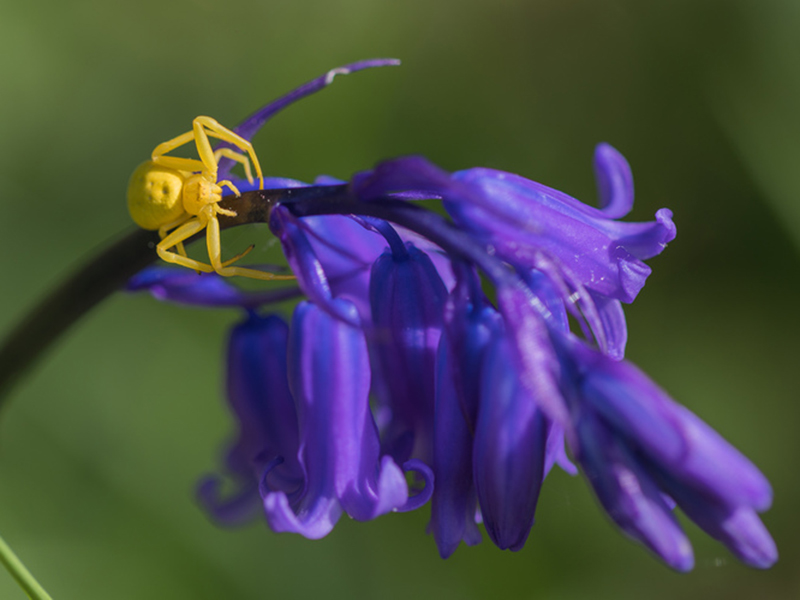
Tell us a bit about yourself and how you got into wildlife photography
I live in West Sussex. I’m a self-employed dance teacher, which I love. I’ve lived most of my life in Sussex and have travelled fairly extensively which was how my love of photography started, trying to capture the beauty of the natural world. After a wonderful trip to Africa in 2014, I turned my attention more towards wildlife. As a photographer, my knowledge has grown exponentially since then.
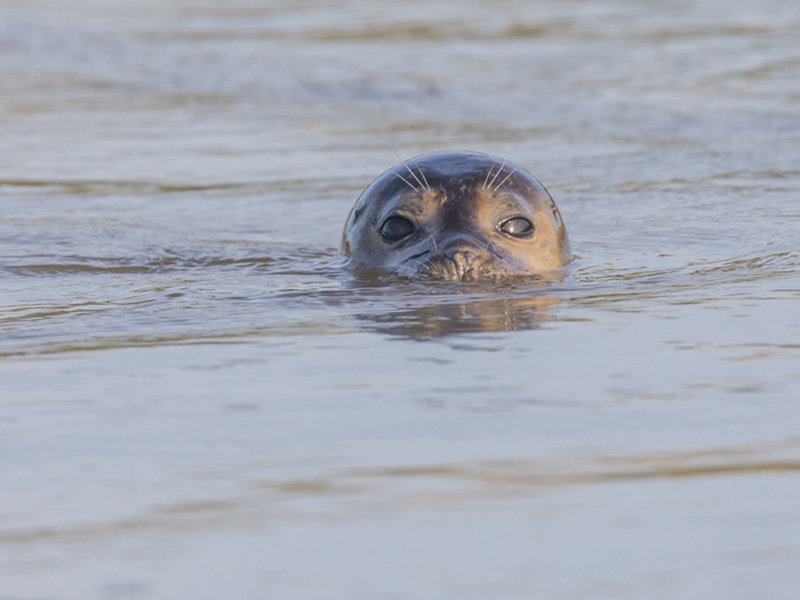
Do you have a favourite subject matter?
Not really. There are so many things I love watching and photographing in the UK. I enjoy variety more than specialising. Although I often go out hoping to see one thing or with a vague plan, I love the fact that something else unexpected may grab my attention. I like to really enjoy each moment. No matter what the season, there’s always something. I love being out in nature.
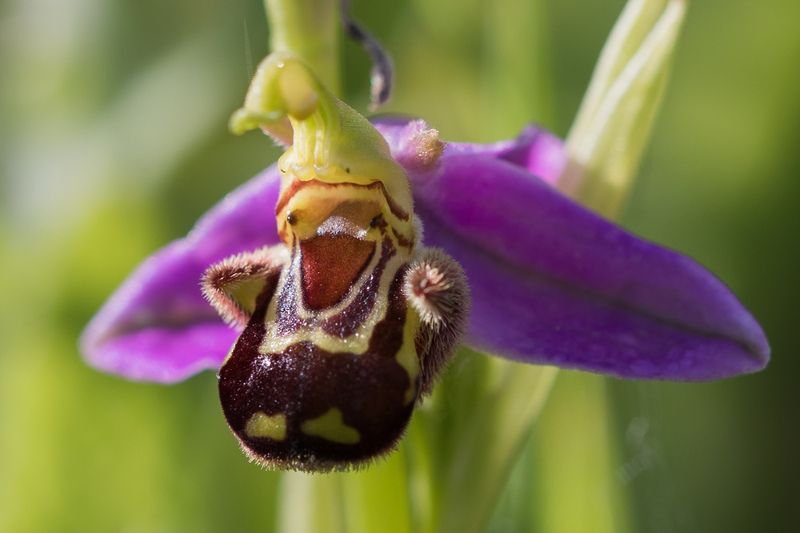
What equipment do you use, in brief?
I’ve been a Canon user a long time. I have the 5D Mark IV and most of the time use either the 100-400mm telephoto lens or the 100mm macro lens. The macro lens was a treat to myself during the pandemic. It opened up a whole new world to me. I prefer the freedom of hand-held photography, so seldom use a tripod .
What’s your favourite shot and why?
This one of two Kingfishers. It was such an amazing moment to witness and I was thrilled to capture this image. I like the cleanness of the lines – how there’s no overlap between the two birds or with the post. It was taken at Warnham Nature Reserve. Anyone who’s been there will recognise this post and know it’s a great place for seeing these magnificent birds. I’ve spent a lot of time photographing them across Sussex. It helps to know your target species.
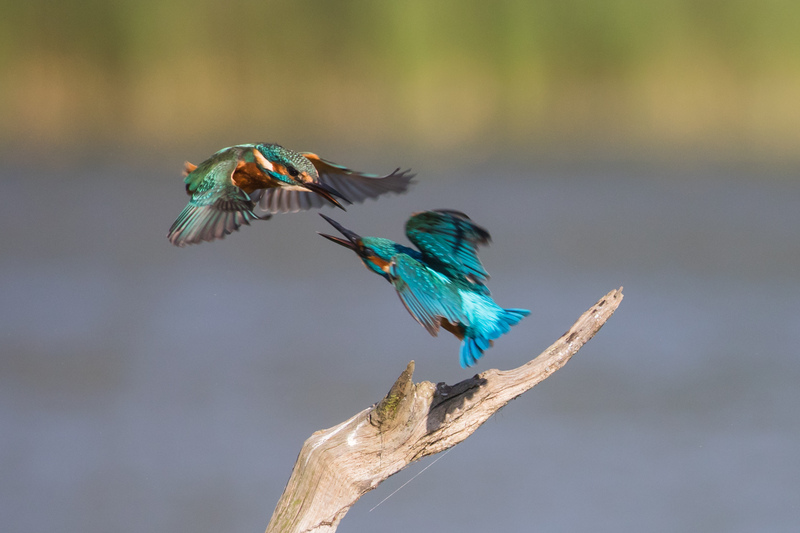
There’s a sense of drama. The bird on the left looks beautiful hovering above the post, sharply in focus. I’d been watching it fish for a while. I noticed it start to move again, so instantly fired off a burst of shots in anticipation of another dive. Only, it didn’t dive. Its body position was slightly different. Defensive. It had spotted the second Kingfisher approaching like a torpedo. You get a feel for that lightning speed of movement with the one on the right. You know it’s about to blast the interloper from its perch. It was so quick, there were only two frames with this second Kingfisher in the shot. In the next frame after this photo (which has been cropped) both birds were out of the frame. I thought one might have been injured, but, I saw both fly off in opposite directions.
What are you trying to communicate with your photographs?
I love using my photography, along with a passion for writing, to share my love of the natural world. I hope to inspire other people to get out in nature more and explore, increase awareness of and appreciation for the beauty that’s all around us, and help people to reconnect with themselves, each other and the planet. It’s lovely capturing beautiful images, but it’s the experience that is so magical. The power of nature is so immense and that's why I love supporting the work of the Sussex Wildlife Trust.
Have you ever had any surprises when you’ve been out with a camera?
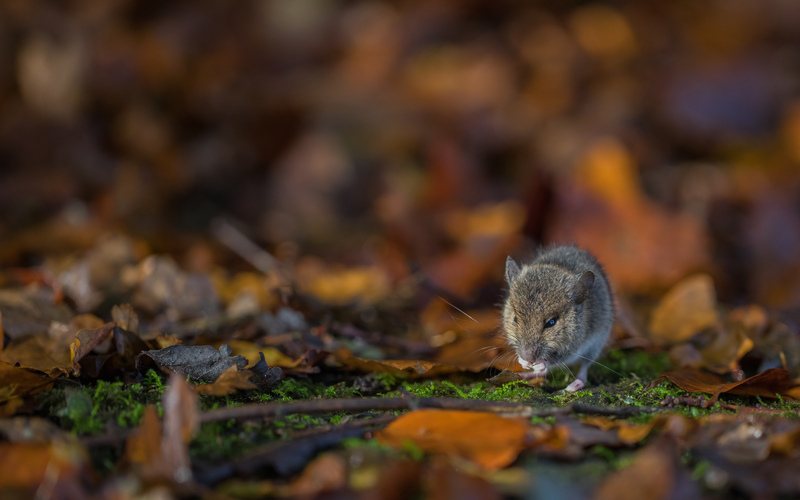
Plenty. Nature can be unpredictable. Having a Wood Mouse run past my foot, totally ignoring me, was probably one of the best ones. For about 10 minutes I was able to watch as it foraged through the autumn leaves on the ground. An unforgettable moment.
The most significant surprise was meeting my boyfriend. We were both looking for Brown Hairstreak butterflies. When one was spotted, he gallantly held back, letting me take the first photo of it, as I’d never seen one before. Just over a week later we bumped into each again in a completely different nature reserve on the other side of the county. Very serendipitous. It’s lovely to have found someone special who also shares my passion for nature and photography.
What do you find most challenging to photograph and why?
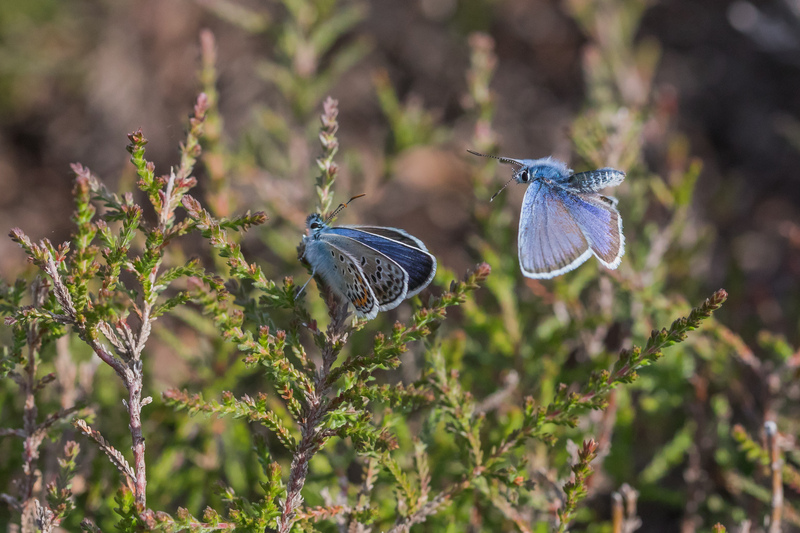
Anything that moves quickly and in unpredictable ways is going to be the hardest thing to photograph. But, I love a challenge, particularly with butterflies in flight. I’ll take hundreds of frames and the majority I can delete straight away because they’re out of focus. But sometimes, you strike gold. Of course, it really helps that you know your camera well and the right settings to use.
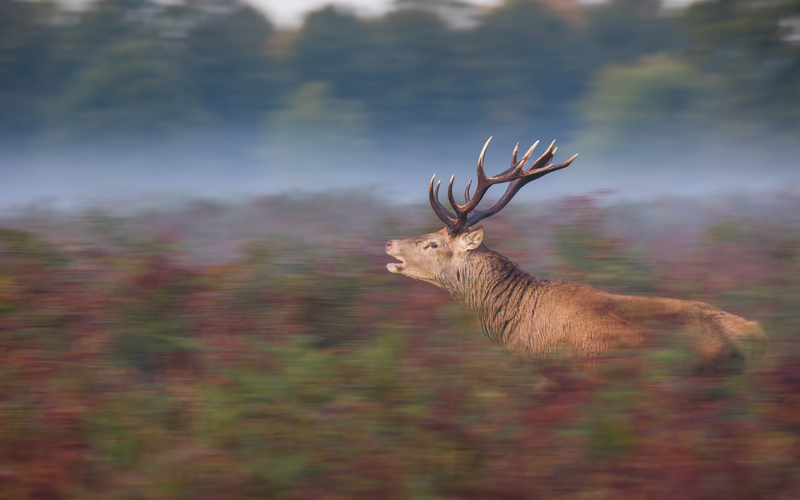
Slow panning is a technique that I enjoy practicing. Using a slow shutter speed, you track the moving animal as you take your photos. The challenge is to have the eye be as sharp as possible whilst the background is blurred, to create the sense of movement. It’s not easy, but the results can be fabulous.
Any tips?
Try to be original. Don’t always go for the obvious. One of the easiest ways to do this is to change your perspective, move around and get down low. Practice and experiment lots and compare your photos afterwards to see what worked and what didn’t, to learn from that. But most importantly, have fun!
Find out more about Lisa here