
Behind the Lens with Kutub Uddin
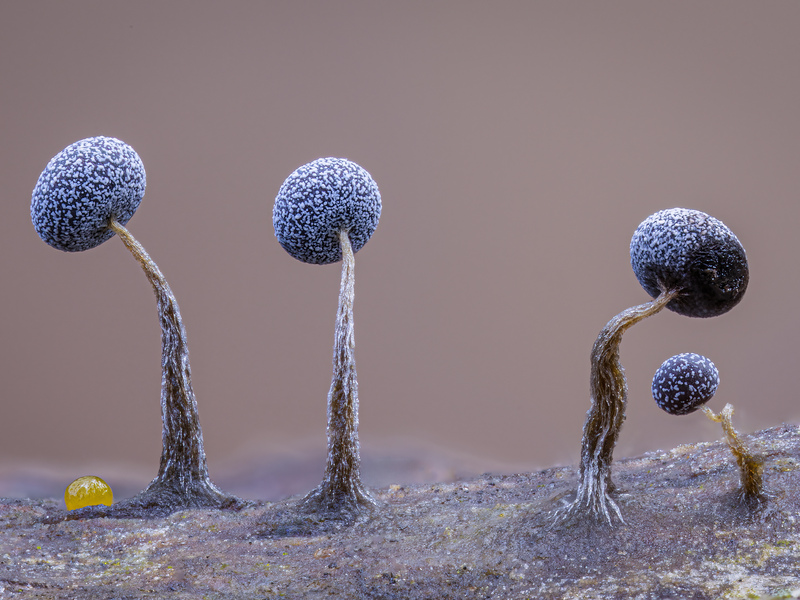
Local wildlife photographer Kutub Uddin's wonderful photo of a slime mould (above) was recently Highly Commended in the Natural History Museum Wildlife Photographer of the Year competition. We caught up with him to find out more about him and his photography.
Tell us a bit about yourself
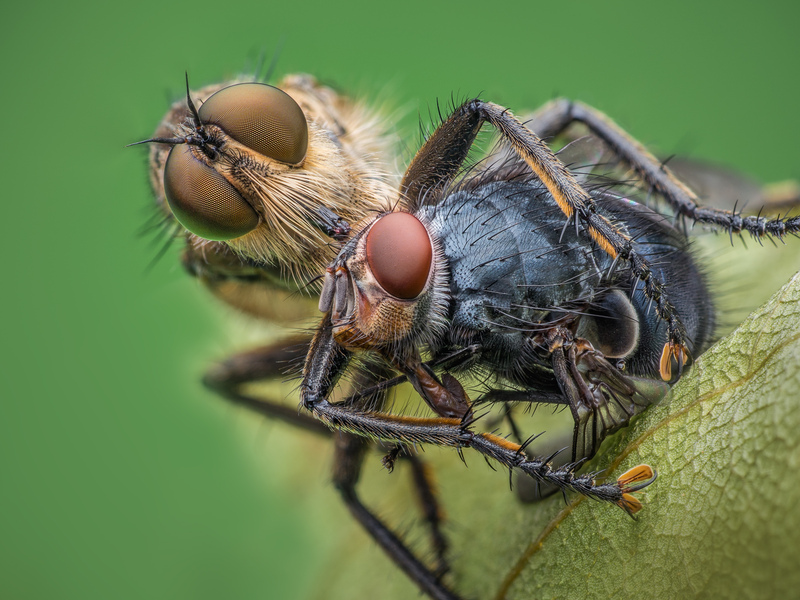
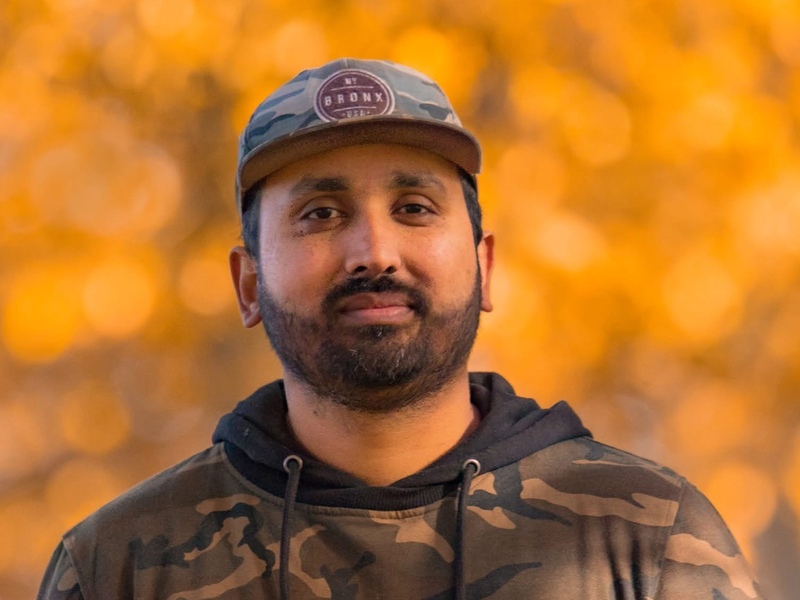
I'm a 39-year-old nature and wildlife photographer originally from Bangladesh, now living in West Sussex. I specialise in macro photography, with a deep passion for capturing the intricate beauty of the natural world up close.
Congrats on your prize-winning image – tell us a bit more about that.
Thank you! The Highly Commended image in Natural History Museum Wildlife Photographer of the Year award (main image) features a slime mould captured during one of my early morning walks in Slindon Wood. It was taken using a macro lens and a focus stacking technique to highlight the incredible detail and texture of the organism, which is usually missed by the naked eye. What made the shot special for me was not just the subject, but the lighting and atmosphere. It had just rained, and the soft natural light created a beautiful, almost otherworldly mood. I’m truly honoured that the image was recognised, especially as it highlights a part of nature that’s often overlooked. It’s moments like this that remind me why I started this journey in the first place.
How did you get into wildlife photography?
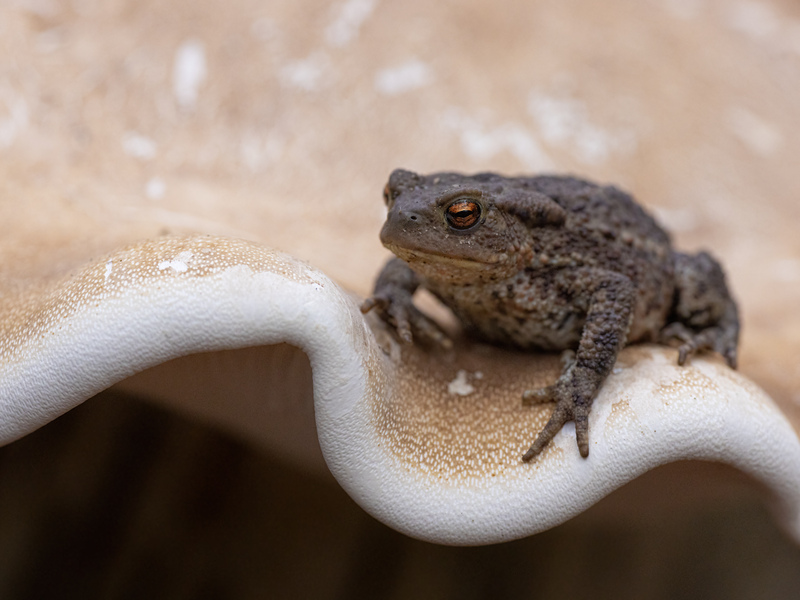
In 2012, it started as a hobby fuelled by my curiosity and love for nature. Initially, I just wanted to capture the beauty I saw around me during walks and hikes, especially the tiny details that go unnoticed. Over time, my passion grew deeper as I discovered the fascinating world of macro photography and the incredible diversity of wildlife at a microscopic level. Since then, it’s become a way for me to connect with nature and share its hidden wonders. I now run macro photography workshops to share my knowledge and inspire others.
Do you have a favourite subject matter or place where you like to go to take photos?
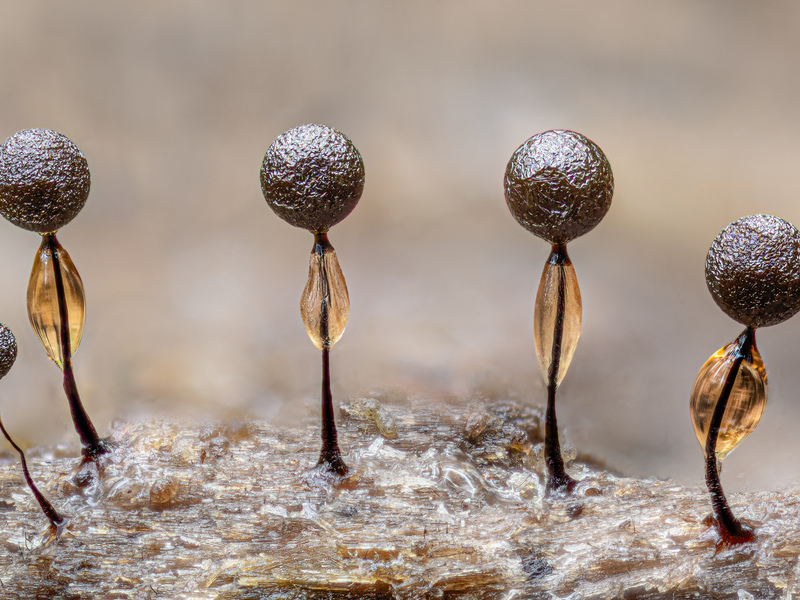
I’m especially drawn to the small, overlooked details in nature, so my favourite subject is the world of tiny organisms, slime moulds, fungi, and invertebrates. Macro photography allows me to explore and reveal these in a way that’s artistic and scientific. I love exploring local woodlands and nature reserves around West Sussex, Specifically Slindon Wood, The Mens Nature Reserve, Ebernoe Common and Pulborough Brooks. Fallen logs, leaf litter, and damp forest floors offer endless opportunities for discovering fascinating subjects.
What equipment do you use, in brief?
I use a Canon R5, paired with two main macro lenses: the Canon EF MP-E 65mm f/2.8 1–5x magnification lens for extreme close-ups, and the Canon EF 100mm f/2.8 macro lens for more general macro work. For lighting, I rely on a flash with a homemade diffuser to create soft, natural-looking light, along with LED lights for more controlled setups. I also use a sturdy tripod for stability, especially when focus stacking or shooting in low-light conditions. When needed, I sometimes use an auto macro rail in the field for precision focus stacking, powered by a portable power bank. This setup allows me to capture highly detailed images even in outdoor environments.
Has anything unexpected ever happened when you’ve been out taking photos?
One moment that stands out was when I was searching for a particular slime mould. I had spent the whole day exploring several different forests, but had no luck. On the way home, I made a quick stop at a small local nature reserve near my house. I had noticed that some workers had cut down trees and left behind piles of woodchips and thought it might be worth a look. Right there among the woodchips, I spotted the exact slime mould I had been searching for all day. After hours of hiking through larger, more “promising” forests, I found it minutes from home. Nature can surprise you when you least expect it.
Any tips for other photographers?
Be patient and observant, especially in macro and nature photography. Slow down, take your time to really look at your surroundings, and don’t overlook the small details. Some of the most fascinating subjects are right under your nose, hidden in plain sight. Lighting is key, so experiment with natural light and diffused flash to see what brings out the best in your subject. Don’t be afraid to create your own tools some of my most effective gear, like diffusers, are homemade. Also, embrace the process. Not every outing will result in great photos, but each one is an opportunity to learn and connect with nature. And lastly, shoot what you love. Passion shows through in your work more than anything else.
See more of Kutub's work here
Comments
Hello, I have respect and admiration for your work that you share with us.
Greetings , Pierre Nowosad
12 Oct 2025 12:11:00
Nice interview and as usual, photographs worth looking at. Good job.
12 Oct 2025 12:40:00