
Behind the Lens with Bob Foreman
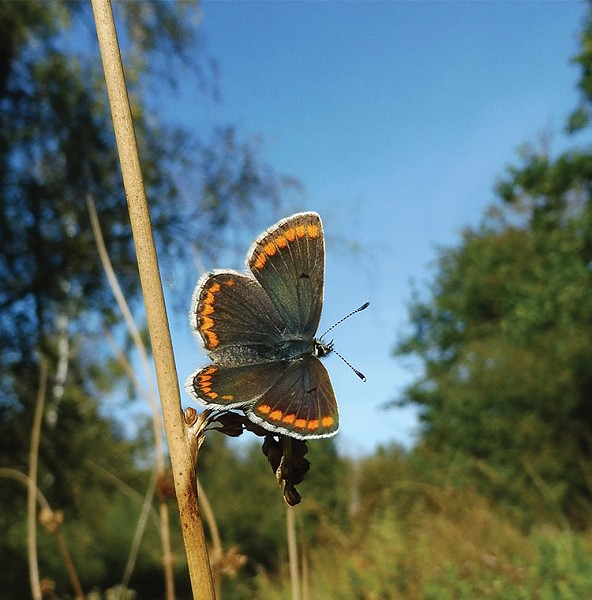
We talk to Bob Foreman, Biodiversity Data Lead for the Sussex Biodiversity Record Centre, about his work and his photography
Tell us a bit about yourself
I grew up near Torquay in Devon, surrounded by glorious countryside. Then I went to London to work in the professional photography industry for 13 years, in the days before digital. My job was managing a slide processing lab. I was working in Joe's Basement in Soho, which was open 24 hours a day, seven days a week and located in Hammer House, where the Hammer House of Horror series were produced. There was even a private viewing cinema in the basement! The paparazzi would come from Mayfair at 4am, bringing in film to be developed for photos for the tabloids the next day.
Eventually my partner and I got disillusioned with London and looked around to move out. We settled on Lindfield. After our children were born, I became a house husband for a while, then, when my son went to school, I used the digital imaging skills I had learnt in London to do freelance web and graphic design.
But I'd also had a lifelong interest in nature, especially butterflies and moths, and in 2005 was given a moth trap for my birthday. I set up a moth diary online, which became popular, and this allowed me to connect with nature and wildlife.

Ledra Aurita
I joined the Sussex Butterfly Conservation Branch Committee and what really struck me was what a lot these people knew. I realised I needed to change tack and decided to go to Plumpton College to study countryside management, then did an ecology top-up degree at Brighton University. I met Penny Green who asked me to volunteer for the Sussex Biodiversity Record Centre, which is how I eventually ended up in my current post as Biodiversity Data Lead.

Tree-hopper
Tell us about your job
The Record Centre is the hub for environmental information for Sussex and my job is about the maintenance and management of the species database. We currently have more than 7.6 million species records! I also consult/liaise with national and local recording groups, gathering information and encouraging recording.
My job combines my skillset of data tech saviness with a knowledge of wildlife.
I love my job, and working with wildlife every day. I’m part of a great team and am in awe of the people I work with at Sussex Wildlife Trust.

Sussex Biodiversity Record Centre team - L-R Andrew Lawson, Henri Brocklebank, Lois Mayhew, Clare Blencowe, Helen Hodson and Bob Foreman © Miles Davies
You take photos of species?
Yes, photography has become an integral part of wildlife recording, especially since it went digital, because there's no cost implication. I take as a good a photo as I can get to identify what a species is. It means you don't have to collect it. I used to be keen and interested in traditional methods of printing and processing, but for now, photography for me is mostly a useful addition to my field notebook.
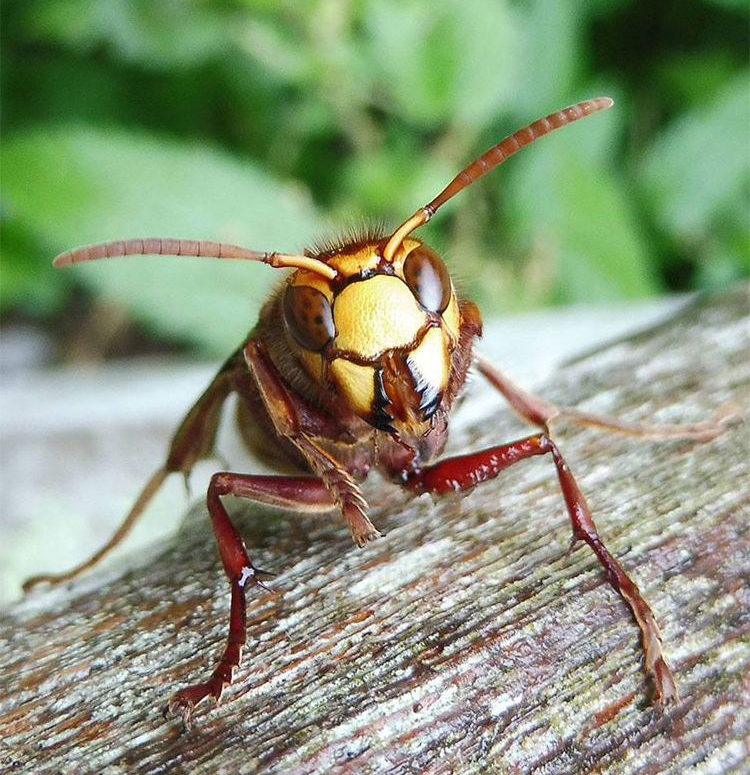
Hornet
What have been your most interesting finds?
In 2008, I found a tiny brown moth, and shared the photo in a chat group. I was contacted by someone from the Natural History Museum, and after sending them the specimen, it was identified as the first specimen in the UK of Blastobasis vittata, confirmed by the world’s leading authority on this group at the University of Copenhagen. Another time, my partner saw a little moth in the garden, and put it in a pot for me. It turned out to be the Orange-blotch Cosmet - the first Sussex record since 1880.
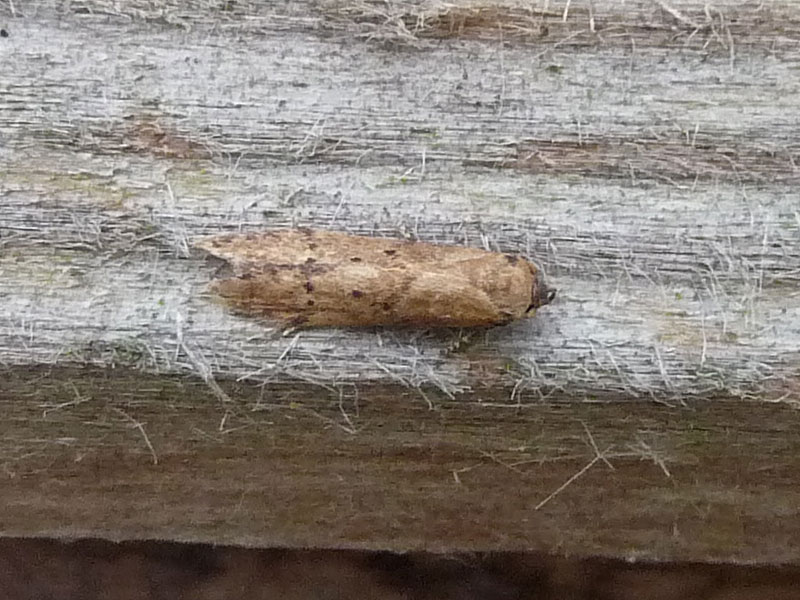
Blastobasis vittata
Do you still love moths?
Yes I do, and moth traps are a good way to lure people into nature. There's a huge array of different shapes and sizes. People can't help being amazed.

Orange Blotch Cosmet
Comments
Hi Bob – love the pics
27 Apr 2023 21:05:00