
Become a Tree Detective
By Paul Ritchie
Identifying trees can be a challenge for those new to wildlife watching and gardening but this is because they are a challenging group of plants to identify. Trees are not a genetic classification as used for identifying most plants, but a body shape adopted by a wide variety of plants.
It is a very successful life strategy as there are over 73,000 known species of tree in world!
To illustrate this point I would like to show you three trees that share similar compound leaves but are in fact totally unrelated species of plant species…
Common Ash (Fraxinus excelsior) is a tall fast growing tree familiar to most of us but how many reading this blog realise that this tree is a member of the Olive Family?
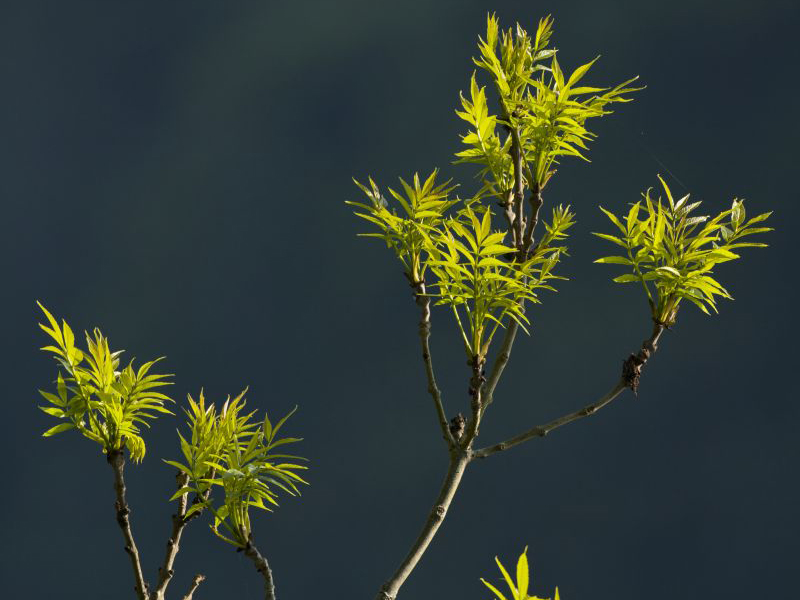
Lances, spears and javelins found in many of our museums are made from ash and it was used to make tool handles and furniture in more recent times.
Rowan (Sorbus aucuparia) or Mountain Ash is a much smaller tree found in rocky areas such as the Peak District. It is a member of the diverse Rose Family of plants.
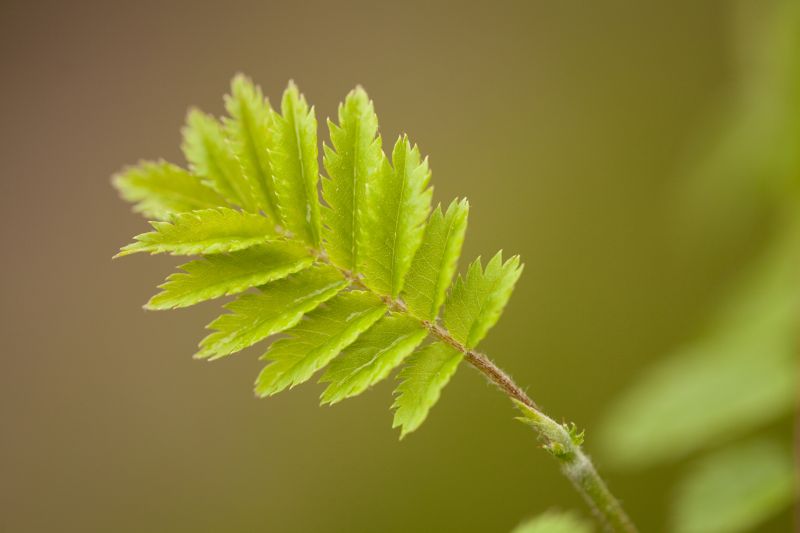
Its bark was used for tanning leather whilst the wood is used for carving and craft work. Its leaves were used as fodder for livestock. It is a beautiful tree ideal for gardens.
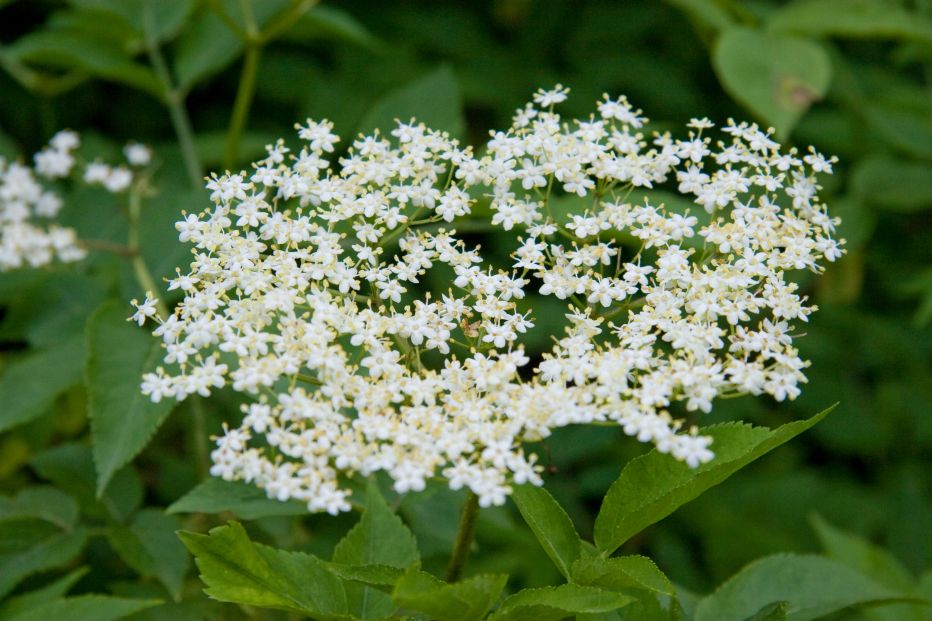
Elder (Sambucus nigra) a once popular plant of hedgerows as its scented flowers are used to make cordial and champagne. The fruit is the Englishman’s grape. It is a honeysuckle!
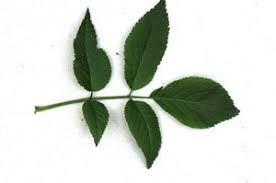
It is more shrub-like (multiple woody stems) than the first two species. It is an ideal tree to plant in gardens or into hedgerows that adds a splash of colour, nectar and berries.
Trees and shrubs are important features in our landscape both past and present and form important components of woods, hedgerows and potentially our gardens. As well as being wonderful things in their own right they provide bed (shelter) and breakfast (food) for insects, birds and mammals.
Paul is running a 'Become a Tree Detective - Winter' course on 8 October. Book here
Paul Ritchie, CBiol APIOL Lantra, Sorbus Learning CIC