
Beavers are helping us to make a splash
By Fran Southgate, Nature Recovery Manager
Or It’s too dam hot out there, surely there’s somewhere I can lodge a complaint?
As Sussex sizzles, wildfires threaten and hosepipe bans start to bite, Sussex Wildlife Trust is turning its attention to Beavers. We and the Government are convinced that these once extinct native mammals are one of the best ways we can tackle our current and future water crises in Sussex.
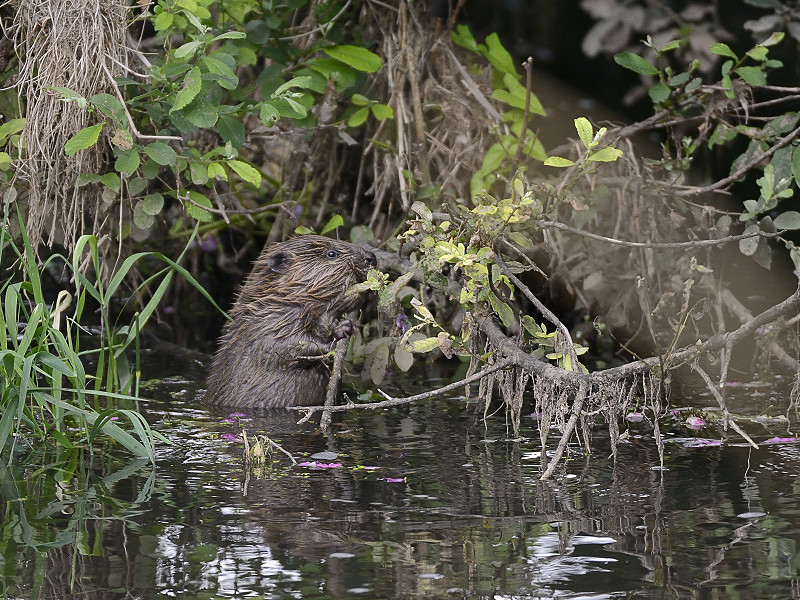
Water retention is the Beaver's raison d'être (their life's purpose, and their mission, some would say mission impossible at the moment). Beavers are large and furry, and they do not enjoy walking long distances across hot land; they much prefer to float. So they create fantastic watery wonderlands.
Creating beavery wetlands is thirsty work, but Beavers are happy to just beaver away without recompense. And herein lies the key. These ecosystem engineering creatures behave naturally, and free of charge, in a way which not only creates vast amounts of flood storage, saving towns such as Ealing from flooding, but also gives us resilience to drought. Beavers help us to slow, store and hold on to precious water resources which are otherwise drained out to sea before we can use them.
We found out this week from the Environment Agency that the South Downs and Solent region had 1% of their Long Term Average rainfall in July. There wasn't a huge amount of rain in May, June, or the first half of August either. We are in the midst of one of the most severe droughts in history, and it is going to happen much more often as we move into climate change. Every plant, crop and animal we know needs water to survive, and so do we.
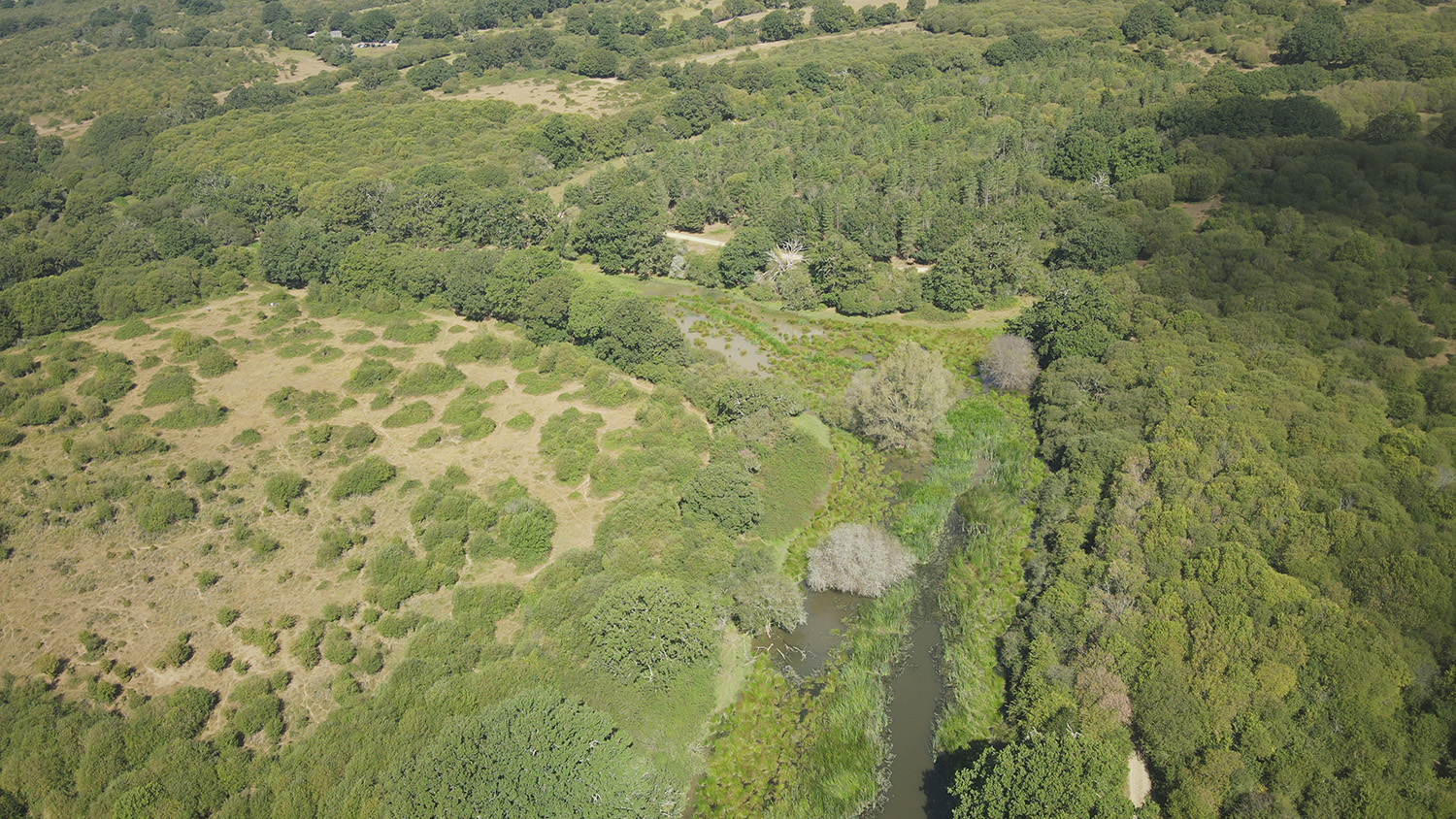
The image below shows the Beaver pen at Knepp Wildlands on the River Adur in Sussex. It shows parched grasslands next to a lush green area, with pools of water.
We are working with a whole range of people to see if it is viable to restore free-living Beavers to the whole of the catchment. Working to manage the recovery of Beavers in Sussex gives me hope, hope that we can find solutions to crises like these, and that we can work with nature at a huge scale to restore the life-giving resources that we all need. Watch this space for beavery updates coming soon.
Comments
Have we enough trees for beavers to run freely and have we enough trees growing of different ages? Also what about the farmers? How will it impact upon their land and will they accept having them on their land?
24 Aug 2026 10:37:00
Sussex Wildlife Trust:
Beavers are one of many native, farmed and non native species which browse on trees, including muntjac deer, cattle and sheep. In comparison to these species, Beaver impacts on trees are minimal. Beavers don’t eat trees as such. In summer, they graze on riverside plants and grasses. In winter they feed mostly on tree bark and shoots
Much of the wood that Beavers cut for damming, are coppiced and will re-grow, and re-root where they are ‘planted’ by the Beaver. Most native trees will naturally re-sprout when cut (coppicing). However in some instances browsing by deer and livestock, or flooding will prevent trees from re-growing. Although not always desirable, having more deadwood in our environment will support other species and ecosystems.
In some parts of Sussex and the UK, land clearance means that there are a limited number of trees available for Beavers to use for damming and building lodges. Sussex Wildlife Trust is working at a landscape scale to create nature and climate resilient landscapes – including Beaver ready works such as tree planting. You can find out more on our Wilder Ouse or Wilder Horsham pages.
There are nationally approved process in place, which ensure that if needed, Beaver impacts can be managed. In particular, a 5 step process, which enables people to be supported in managing Beavers if they need to be. Landowners are legally able to manage a Beaver dam within 2 weeks of it being built. There is also a great deal of advice and support for landowners. The Wildlife Trusts (TWT) are spearheading this support, and we and other organisations are lobbying Government to ensure that where needed, farmers can be paid for creating space for Beavers. Beavermanagement.org have produced a Living with Beavers leaflet for farmers, and TWT have also produced a Becoming Beaver ready briefing.
In Sussex we have been liaising with key stakeholder groups, including the farming community, since before 2018. We have a Sussex Beaver Advisory Group and local Beaver Working Groups which work closely with stakeholders and landowners to ensure that their voices are being heard, and their concerns are dealt with.
Beavers were here long before humans and should be a vital part of the planet’s delicate ecosystem.
06 Sep 2026 13:10:00
Such a challenge, but vital for our future and the future of the land.
I fully support this.
06 Sep 2026 14:14:00
We need to replant 2 trees for every one beavers use. Surely with compensation and education to farmers .there are release sites available for beavers.
06 Sep 2026 20:15:00
I found this report extremely interesting & informative, for which many thanks
07 Sep 2026 12:03:00