
Bark patterns
By Audrey Jarvis of Lewes Urban Arboretum
Trees are wonderful for all sorts of reasons – they improve our townscapes, moderate the effects of pollution and heavy rainfall, clean our air, and help to make us feel better!
Their blossom, new leaf growth and berries mark the seasons for us and provide food and habitat for a wide range of wildlife - but the bark of trees is something that we can appreciate all your round.
I'll share some favourites from around Lewes.
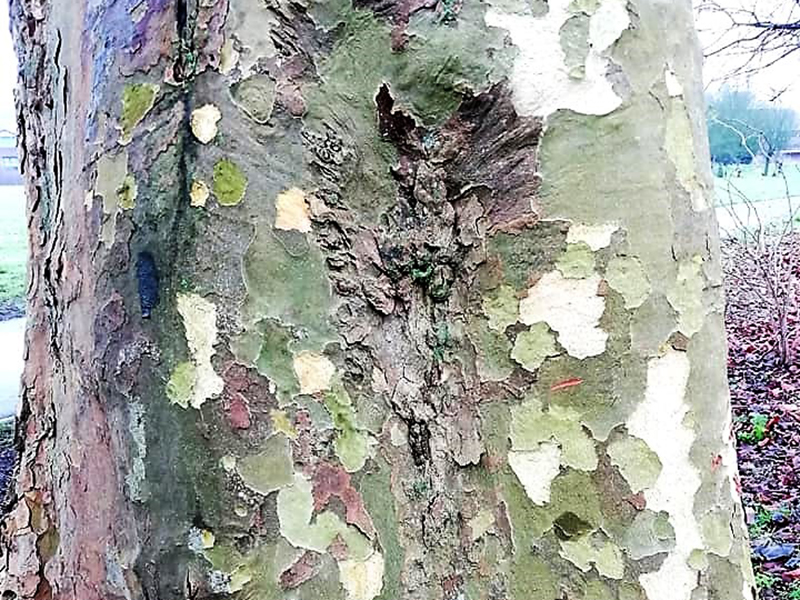
Main blog image (above): the bark of Plane trees is one of the most easily recognised because of the distinctive camouflage pattern. This beauty is at the edge of Malling Recreation Ground.
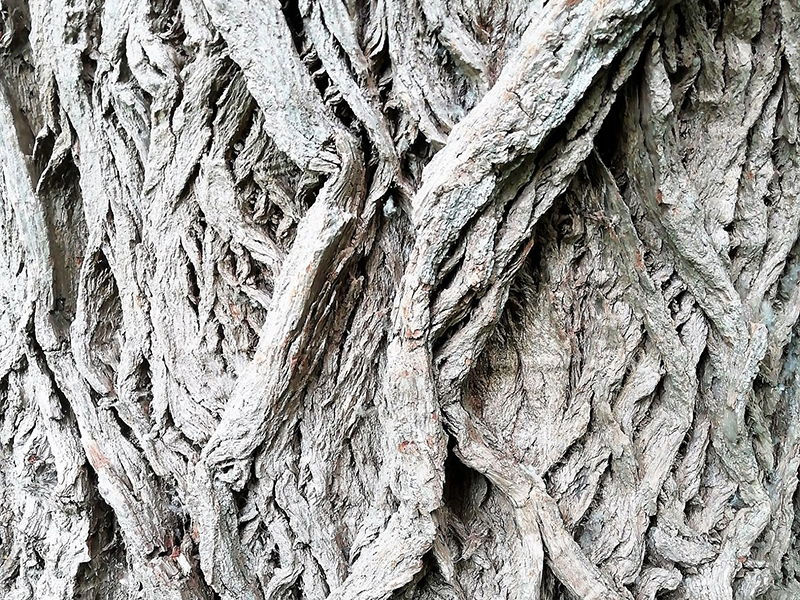
This Railway Poplar in Bell Lane Recreation Ground has a wonderful display of different patterns around the trunk – some of them looking like intricate ancient carvings.
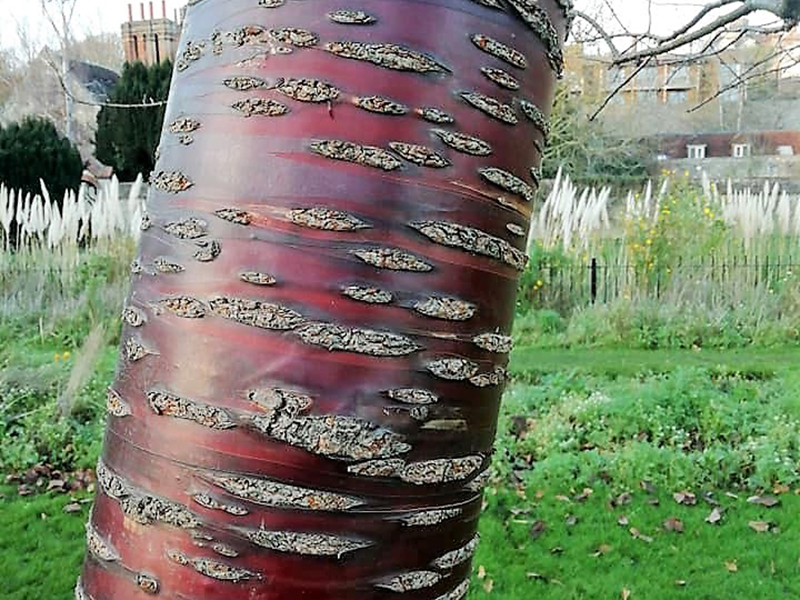
The colourful bark of this Tibetan Cherry tree in Southover Grange gardens provides a welcome splash of colour in winter. As with all tree bark, it is best enjoyed if you stroke it with your hand.
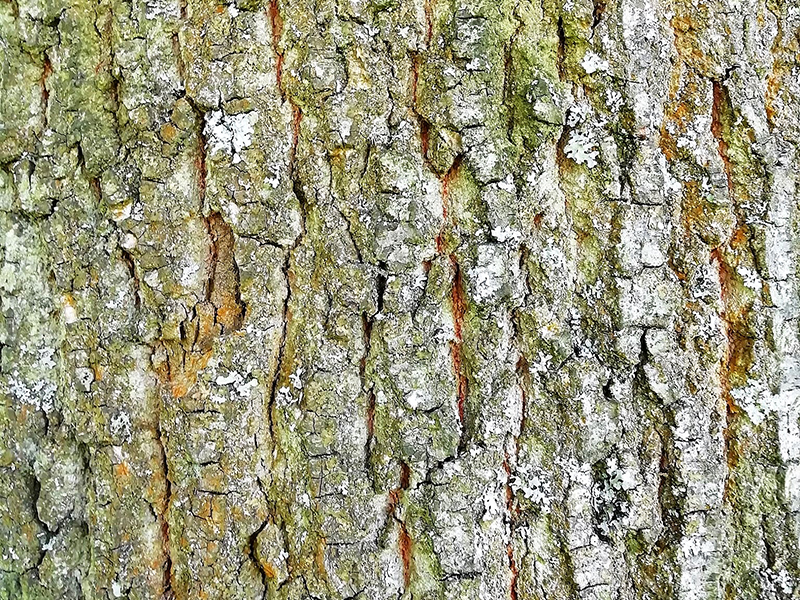
The bark of an Oak, like everything else about the tree, is rather special. If you rub it, your hands feel smooth afterwards. This is the trunk of one of the fine specimens in Pells Recreation Ground.
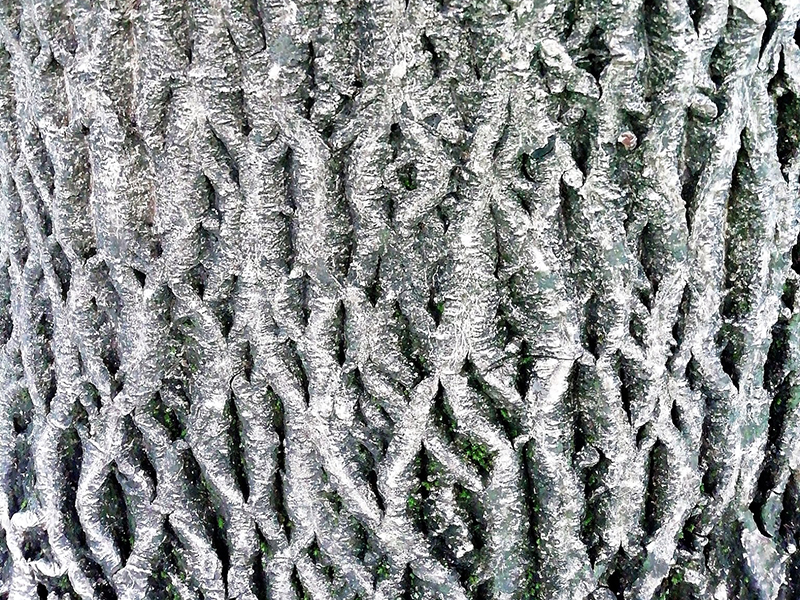
The mature Walnut tree in the gardens of Southover Grange has a ridged and criss-crossed pattern. Can you imagine how long it would take to replicate this detail?
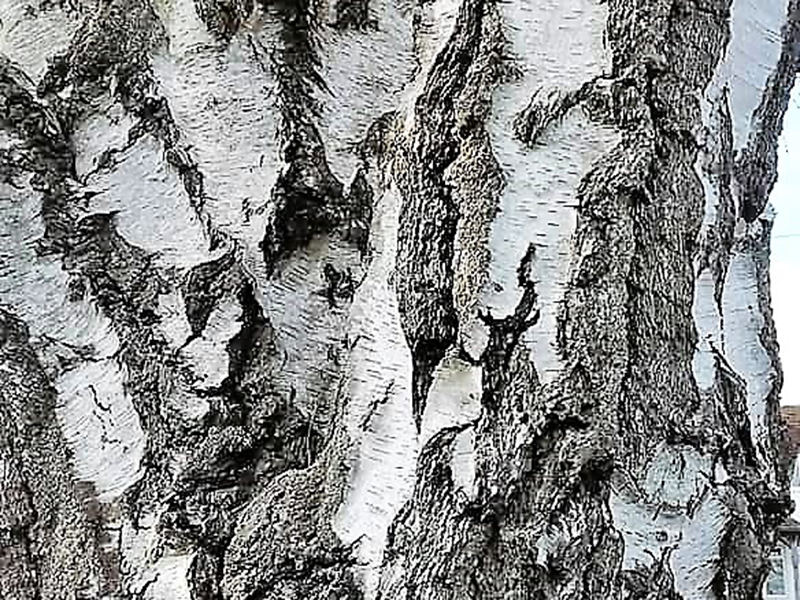
Some people like the papery “silver” bark of younger Birch trees – but older examples have a lot more character whilst retaining the silvery appearance which catches the light. All these crevices provide homes and shelter for many insects and other invertebrates.
Find out more about Lewes Urban Arboretum or follow them on Twitter @LewesArboretum
Comments
What an enchanting blog – thank you
30 Jun 2022 10:50:00
I have recently visited ‘Sheffield Park & Gardens’ where they have some magnificent trees, check out their Giant Sequoia (Sequoiadendron giganteum), which has a wonderful red bark.
30 Jun 2022 10:57:00
I found this very inspiring, creatively. Thank you.
30 Jun 2022 13:05:00
I love these close-up pictures of tree bark celebrating this tactile and beautiful part of a tree.
30 Jun 2022 13:38:00
Gorgeous! I too have collected bark patterns over some years, both in and beyond Sussex — the spiralling chestnut for instance, or the paperbark maple. Great inspiration too for children to let their imaginations run riot… if no camera, rubbings using paper and ‘heelball’ are fun.
30 Jun 2022 15:00:00
I found this fascinating. Now can you go onto uses of barks eg for dyeing, medicine, analgesics, etc. and more trees found in Britain. Thank you, brilliant photos.
30 Jun 2022 15:10:00
Very good photos of bark.
30 Jun 2022 15:19:00
Just a lovely guide to seek the detail. I have always loved the Tibetan Cherry bark when they had a row of them in Highdown Gardens but didn’t know the name. Thank you
30 Jun 2022 16:11:00
What a Fascinating article, re:Tree bark, and brilliant photos. I am learning re:Tree identification
and was paying more attention to shapes of leaves, learnt some thing more today,re:bark pattern. Thanks a million.
05 Jul 2022 10:46:00
Lovely & all so different
05 Jul 2022 15:57:00