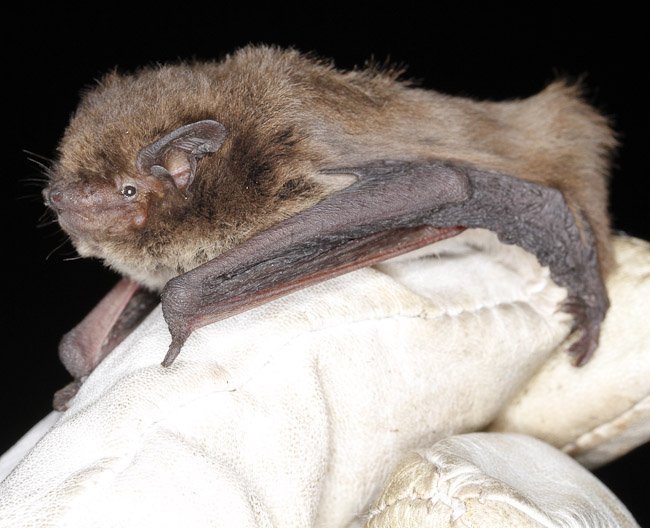
It’s not very often that we get to add a new species of mammal to the reserve list, but we did manage it this month with the discovery of Nathusius’ pipistrelle at Castle Water on the 27th. Eleven bats were trapped under licence using a combination of sound lures and ‘harp traps’ the largest number of individuals ever caught in a single night in the UK. Though rarely recorded, this species has a wide distribution, with records as far north as Shetland (the site of the first UK record in 1940) to the south coast. A migratory species in Europe. it was initially considered to be only an accidental visitor to the UK, though since then research has suggested that there may be regular migration between the UK and Scandinavia in Spring and Autumn, with some individuals remaining all year, and it is now a breeding species.
An increase in passage movement later in the month saw a good range of waders on the reserve. These included increasing numbers of lapwing, with 1000 at Castle Water on the 14th and 20th, 71 golden plover (above) on Flat Beach Level on the 29th, regular common sandpiper and small numbers of black-tailed and bar-tailed godwit, avocet, ruff and whimbrel. Highlights were 11 wood sandpiper 18 green sandpiper and 44 greenshank on FlatBeach and nine curlew sandpiper on Harbour Farm downed by poor weather on the 24th, and at least one little stint and another curlew sandpiper on FlatBeach on the 30th. Passerines also showed evidence of passage movement. Hirundines included up to 270 sand martin, 200 swallow and 60 house martin during the second half of the month, while 250 swift were seen on the 24th. Large numbers of yellow wagtail on the Beach Reserve late in the month peaked at 350 on the 24th, with 14 wheatear on the 29th. In addition, linnet numbers have been increasing as we move towards autumn with around 250 present on the Beach Reserve on the 15th, with 400 starling also here on the same date. Other notable avian sightings during the month included two hobby at Castle Water on the 14th, two peregrine over the Beach Reserve on the 21st and a garganey at Castle Water on the 30th. This month also saw the end of the little tern breeding season at RyeHarbour, with at least five young fledging, the best result for several years.
A good month for the Lime Kiln moth trap, particularly as regards migrants. Highlights were diamond-spot pearl on 9th, and breckland plume and ni moth on the 2nd, while there were also several records of Jersey tiger and humming-bird hawk moth. Similarly butterfly records during August included migrants such as red admiral, painted lady and several clouded yellow. Other notable invertebrates during August included 13-spot ladybird (below) on Harbour Farm on the 27th, the first reserve record for this rare migrant, saltmarsh horsefly on the new saltmarsh on the 5th, great silver water beetle at Castle Water on the 30th and several sightings of both brown-banded and moss carder bee throughout. Plants in flower during included autumn lady’s tresses, rock samphire and Babington’s orache.
Image: Gilles San Martin
Cookie settings
We use cookies to collect and analyse information on site performance and usage, to improve your browsing experience and show personalised content. You are free to manage this via your browser settings at any time. To learn more about how we use the cookies, please see our cookie policy.