
Are Weasels weasily?

By Charlotte Owen
WildCall Officer
We thought we'd take a look at how a few animal characteristics are perceived or understood in our language use - then think about whether or not there's truth in those reputations.
Weasels
Are Weasels weasily?!
The Weasel is our smallest carnivore with the biggest reputation. When we talk about “weaselling out of something”, we mean to deceitfully avoid it. And “weasel words” signify meaningless rhetoric. The Weasels (and Stoats) in Wind in the Willows are definitely the bad guys.
Weasels are very small, slim and bendy and will find a way out (or in) if they are determined enough – much to the dismay of many a chicken farmer. Weasels are notorious for sneaking in and killing prized birds (though they mainly predate rodents) or stealing their eggs.
They are often seen as vicious, bloodthirsty and greedy because they may kill and take more than they can eat. This behaviour is due to their high metabolism – they burn through energy at a rapid rate and need to eat on a regular basis, so they take and store excess food in secret cache sites. They do not kill for pleasure.
So we can understand where the reputation comes from, but we think it's also unfair anthropomorphism. Just because they are slender and agile, doesn't necessarily mean you couldn't buy a used car from one. But maybe not if you're Mr Toad.
NB Weasels don’t actually suck eggs (a long-held belief) but they do make a small hole in the shell and lap up the contents as it oozes out.
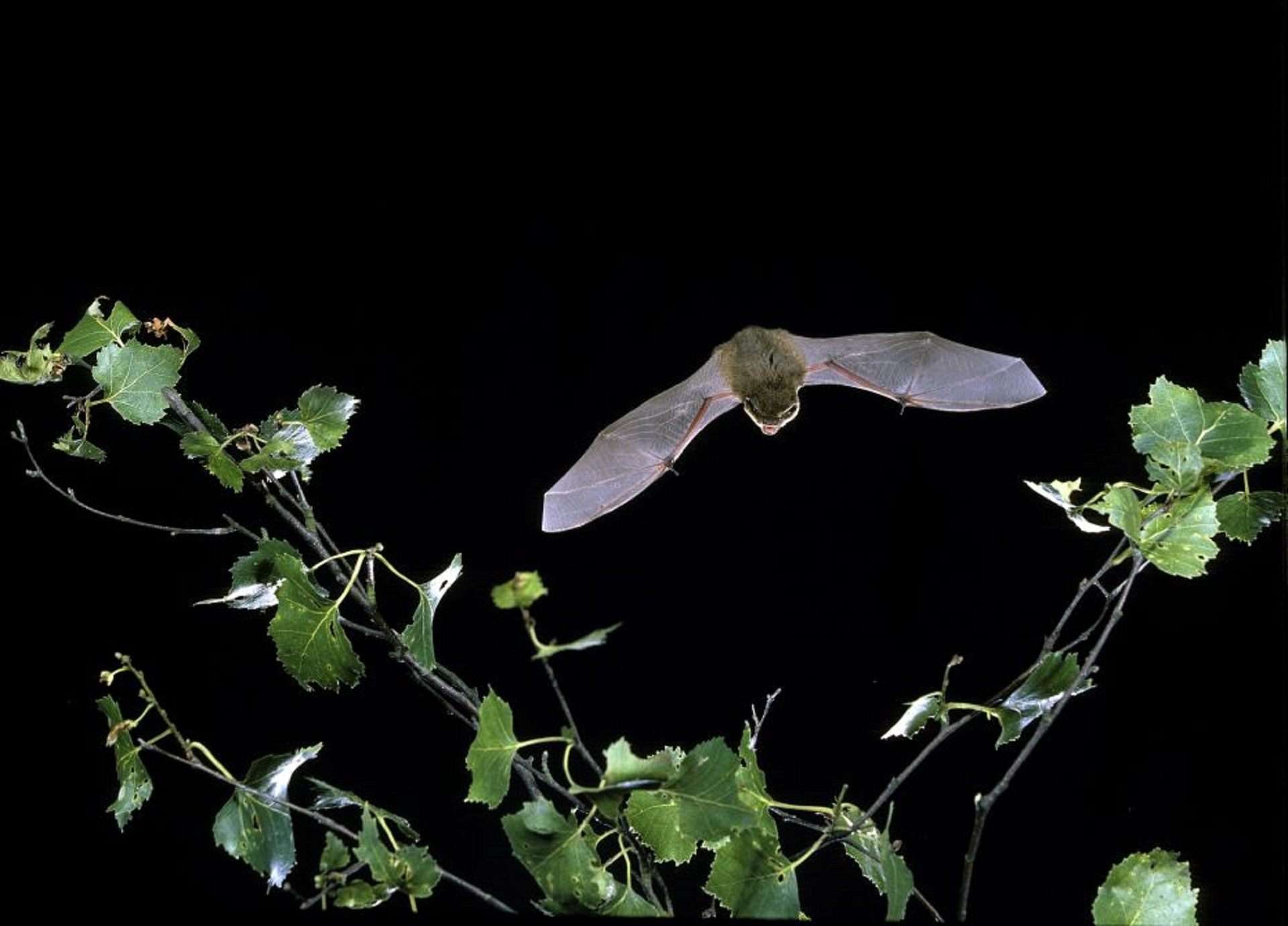
Are bats really blind?
No, they’re not blind - their eyesight is probably about as good as our own – but people mistakenly assumed this was the case because they saw bats flying in a seemingly haphazard, zigzag pattern. It may have seemed like they couldn’t see where they were going but we now know that bats fly like this because they are navigating the night sky using a sophisticated echolocation system.
It works in a similar way to a ship’s sonar by emitting a pulse of sound and listening for its echo, so bats rely more heavily on their ears than their eyes to fly through the night sky. They are constantly processing audio signals to create a mental map of their surroundings, detecting how far away an object is as well as its size and shape. Bats can do this so accurately that they can pinpoint a mosquito in complete darkness, and a single Pipistrelle Bat will eat about 500 individual insects in one night’s hunting. Their calls are so high pitched that (most) human ears can’t hear them. Luckily we can listen in using a bat detector, which reveals their secret clicks and calls and can identify which species are on the wing.
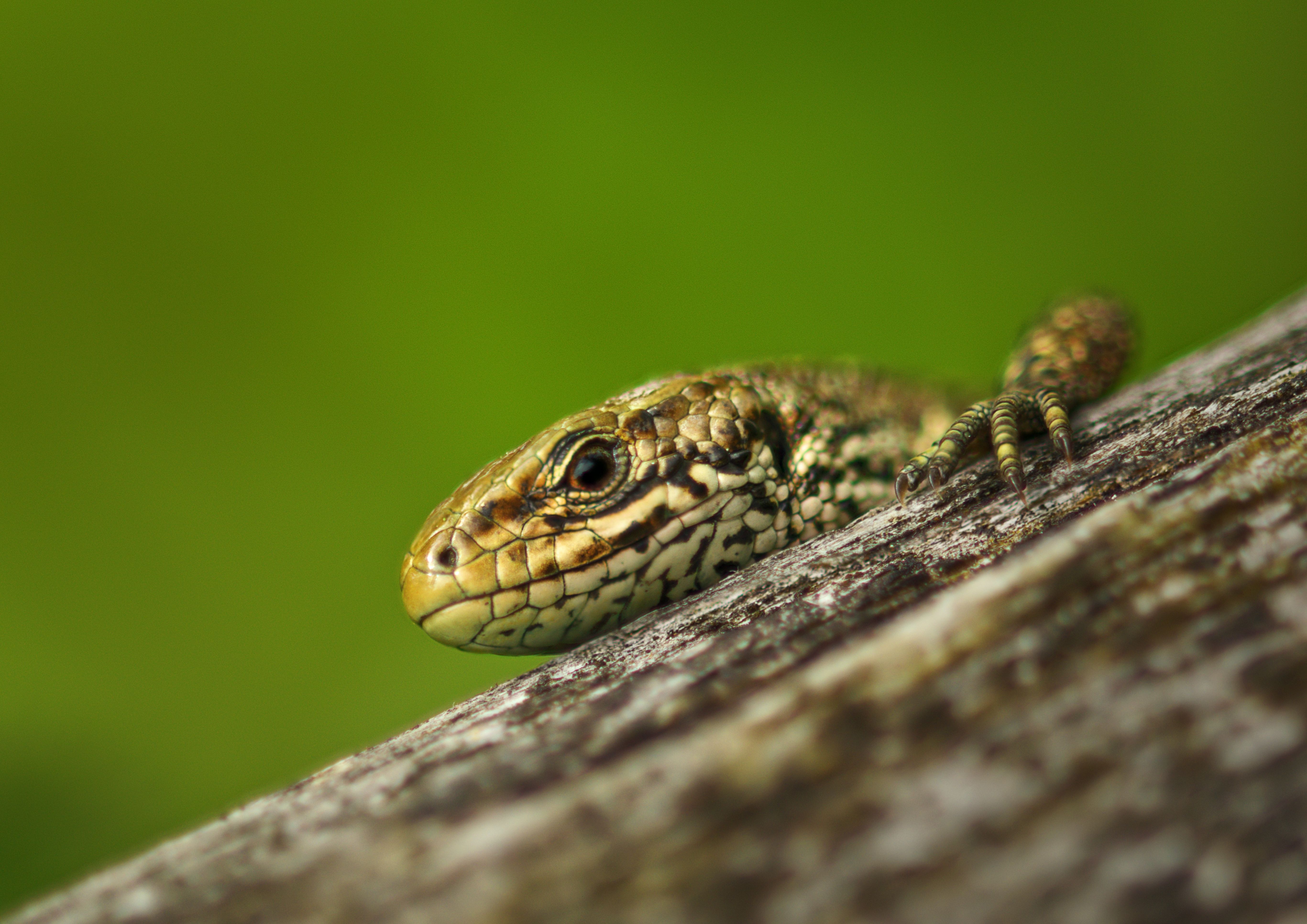
Do lizards lounge?
A lounge lizard is an idler, or someone who spends a lot of time loitering. Lizards are cold-blooded (ectothermic), meaning they cannot generate their own body heat and need to bask in the sun, or on a sun-warmed surface, to raise and maintain their body temperature. So yes, lizards do lounge about – but not because they are lazy. They need to warm up ready for the day’s activities, and are in fact very quick and agile.
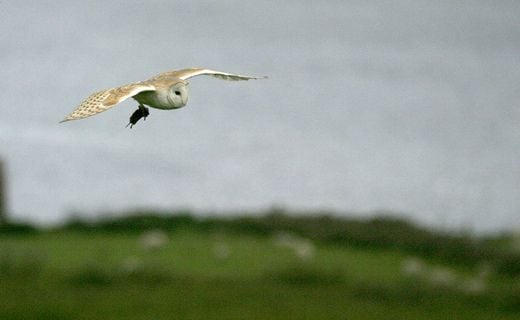
Bird-brained?
The implication here is that a birds have small brains, so a bird-brain is dim-witted, stupid or lacking intelligence. In reality, birds are undeniably clever. Their brains may be small but they are incredibly efficient, packed full of neurons at such a high density that they have just as much brain power as a bigger-brained mammal. Parrots, songbirds and corvids (including Ravens, Rooks and Crows) are the cleverest of birds and some have more neurons, gram for gram, than the cleverest primates.
Are owls really wise?
Owls have long been a symbol of wisdom, knowledge and truth. In ancient Greek and Roman mythology, a Little Owl represented or accompanied the goddess of wisdom. Since then, the association has stuck but it’s less clear why it was made in the first place. Perhaps for the owl’s impressive night vision, allowing it to see clearly through the darkness and observe the truth; or for the owl’s exceptional sense of hearing, making them avid listeners; or because of its large eyes and intelligent gaze, which seems to pay such close attention as the owl sits quietly and still, observing its surroundings.
Owls don’t score particularly highly in the avian intelligence charts but it does depend on how it’s measured. Owls are expert nocturnal predators, and about 75% of their brain is devoted to their super senses of sight and hearing.
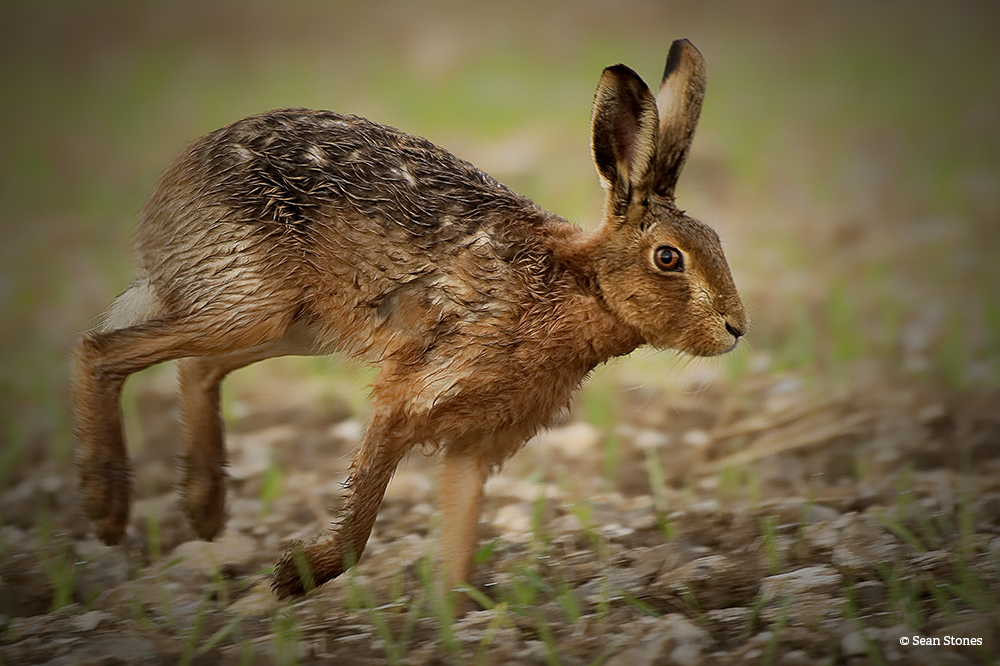
Hare-brained?
This one originates in the 16th Century, meaning a giddy, reckless or witless person, while a hare-brained scheme is one deemed foolish, absurd or ridiculous. The association of Hares with madness stems from their exuberant courtship behaviour, which definitely seems a bit giddy and ridiculous as these long-legged lunatics sprint about at full pelt, zig-zagging erratically through the fields and springing into the air in explosive bouts of boxing.
But there is method to this apparent madness. Hares can reach speeds of up to 45 mph and they need to be this swift-footed to escape from hungry predators. Their ability to zig-zag unpredictably while sprinting makes them all the more elusive and can be the difference between life and death when a fox’s jaws are snapping at their ankles. During the breeding season, speed is of the essence for an extra reason since only the fastest and fittest of males will win the right to mate.
With several potential suitors all vying for one female’s attention, she will sprint away with multiple males in hot pursuit. It’s a race of both speed and endurance as they all strive to keep up with her and jostle for prime position. The boxing breaks out when a female is fighting off unwelcome advances, either because she’s not yet ready to mate or because she’s not impressed with the male’s athletic abilities. Eventually though there will be single victor and he will pass on his superior genes to her offspring, giving them the best possible chance of survival.
And finally (for now) - where does the phrase Red Herring come from?
A 'Red Herring' means a false clue; something that misleads or distracts from a relevant or important question.
The term was popularized in 1807 by English polemicist William Cobbett, who told a story of having used a strong-smelling smoked fish to divert and distract hounds from chasing a rabbit.
Comments
Very interesting! ( and funny) Thanks
Anne
26 May 2022 10:51:00
A really enjoyable read. I have always said that animals are far more clever than we give them credit for, and have abilities that we can’t imagine. Humans are quite slow and dim witted compared to some 🤣 🤣 🤣
26 May 2022 11:48:00
very interesting and instructive
26 May 2022 12:00:00
Thanks. Enjoyed and will remember in future-
26 May 2022 12:59:00
Very interesting thank you
26 May 2022 13:46:00
An example of how precious our wildlife is.
26 May 2022 13:50:00
Brilliant article. Really entertaining. Thank you
26 May 2022 14:35:00
Beautifully done!
26 May 2022 17:33:00
The point is, as my mother actually used to say, that a weasel is weasily recognised, but a stoat is stoatally different!
26 May 2022 18:06:00
Thank you for your usual well presented, informative email. You say just enough and leave behind a satisfying bit of knowledge
26 May 2022 19:21:00
My experience of weasel and stoat have been very moving and sadly brief, the way they move through there environment has always left me with a sense of privilege.
Kind Regards Derek Webb.
26 May 2022 20:01:00
Fascinating article – thanks SWT for researching all this and sharing it with us!
26 May 2022 21:37:00
Thank you for showing us these beautiful creatures. I have only ever seen one lovely weasel on a woodland path in Wales. He rippled like silk.
26 May 2022 22:17:00
Thanks for doing this research for us. Entertaining and informative.
27 May 2022 01:19:00
Really interesting. Can there be more?!
27 May 2022 09:01:00
This was a lovely read, just what I needed to distract me from all the sillyness of humans! :-)
27 May 2022 18:16:00
That was really fascinating. The phrase ‘who knew’ springs to mind, as I certainly didnt!
27 May 2022 18:36:00
Loved these little briefings! Many thanks! One of the main delights we have from living just round the corner from Woods Mill is the opportunity to walk out of the house into the countryside at any t8me, in any weather! Knowing more means moe enjoyment of this world we livebin.
28 May 2022 06:39:00
great reading! Thanks.
28 May 2022 10:29:00
Thank you for your usual well presented, informative email. You say just enough and leave behind a satisfying bit of knowledge
28 May 2022 13:51:00
an interesting read
28 May 2022 14:18:00
Thank you – very informative and amusing – a great read for a Sunday morning
29 May 2022 07:08:00
Thank you – very informative and amusing – a great read for a Sunday morning
29 May 2022 07:21:00
Really enjoyed reading these gold nuggets of info. Very well written indeed and even after many years of educating others, its great to be taught something new myself. Thank you Charlotte!
29 May 2022 09:35:00
Very interesting thank you
29 May 2022 13:45:00
Our enduring /endearing memory of a weasel: as students camping by a lake in Switzerland ,we awoke to watch a weasel rushing from tent to tent swinging round the tent pegs..pure joy!!
30 May 2022 09:22:00
Excellent stuff. Have been searching my mind for mind for more examples: Stubborn as a mule; agile as cat/monkey?
30 May 2022 10:51:00
I enjoyed this and have sent it on to several friends. Some of the attributions are unfair to the creatures concerned but do help to enrich the language.
30 May 2022 11:07:00
A very interesting read! Many thanks.
30 May 2022 16:00:00