
April 2016: Rye Harbour Nature Reserve Sightings
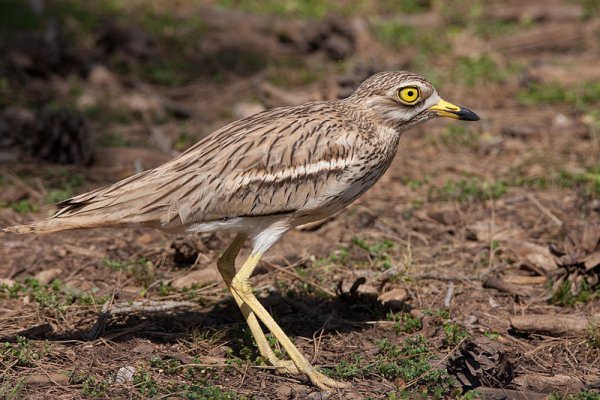
Bird highlight during April was a stone-curlew which was seen briefly on Harbour Farm on the 28th. Once a familiar bird over much of southern Britain, numbers declined in the 19th and 20th centuries largely due to changes in agricultural practices, with a low of around 120-160 pairs in the UK by the 1980s. Concerted conservation since then has raised the total to around 300 pairs, mainly in Wiltshire and Norfolk, and in the last ten years it has returned to Sussex as a breeding bird after an absence of over 20 years. The name of this species comes from the fact that its call is very like that of the familiar curlew, while alternative names included ‘thick knee’ (from its thickened legs joints), ‘Norfolk plover’ and the wonderful ‘wailing heath chicken’!
Unseasonal conditions during April meant that wader passage was a bit slow during the month. However, there was still a good selection of species to be seen on the reserve, including the first whimbrel of the year on the 3rd (with a maximum of 39 on Harbour Farm on the 22nd), up to 31 bar-tailed godwit, and two knot on Flat Beach on the 10th, while up to 74 avocet and four little ringed plover were picking their nesting spots on Harbour Farm. Notable waders were three little stint and a jack snipe on Harbour Farm on the 19th and greenshank here on the 19th (one) and 21st (five). On Ternery Pool around 2000 black-headed gull and 500 Sandwich tern were recorded on the 19th, with 94 Mediterranean gull here on the 1st, while 60+ common tern were on the Quarry on the 15th and six little tern over the shore on the 28th. In addition, booming bittern was heard regularly throughout the month at Castle Water, while four spoonbill were on Harbour Farm on the 5th.

Raptors included regular marsh harrier at Castle Water, probably the last of the winter’s merlin on Harbour Farm mid-to late month, and the first hobby of the spring at Castle Water on the 20th. April also saw the return of our common warbler species from their wintering grounds and by the end of the month whitethroat, lesser whitethroat, reed warbler and sedge warbler could all be heard singing on the reserve, along with more transitory migrants such as willow warbler and grasshopper warbler. In addition up to eight wheatear were recorded on the Beach Reserve during month as well as small numbers of yellow wagtail at Castle Water and on Harbour Farm and bearded tit at Castle Water. Hirundine numbers have been low this spring, with small numbers of house martin, sand martin and swallow recorded during the month, while it was good to see the first swift over Harbour Farm on the 24th and the first cuckoo (above) on the 13th. Other notable passerines during April included black redstart on the Beach Reserve on the 1st and singing nightingale at Castle Water on the 17th,
Still very cold during April (it even snowed late in the month), and the moth trap was a virtual washout with a great silver water beetle on the 2nd the only catch of note. Butterfly numbers also got off to a slow start, with low numbers of small tortoiseshell, peacock and speckled wood recorded on the weekly transects. However, there were some interesting sightings none the less. Rarities included the ground beetle Polistichus connexus on Harbour Farm on the 3rd, several sightings of early colletes (below), a solitary bee found new to Sussex at Rye Harbour last year at Castle Water, bombardier beetle on Harbour Farm on the 3rd and dotted bee-fly at Castle Water on several dates. Mammalian sightings at Castle Water included water vole on the 15th and water shrew on the 21st. Plants in flower included ground-ivy, Danish scurvygrass, early forget-me-not, blackthorn and hawthorn.
