Alternative Christmas wildlife icons
By Kerry Williams
Communications Officer - Conservation
If you celebrate the Christmas season, you'll be used to the festive fixtures of Reindeer, Robins and little dogs made from snow. But what about those other species we could acknowledge this December?
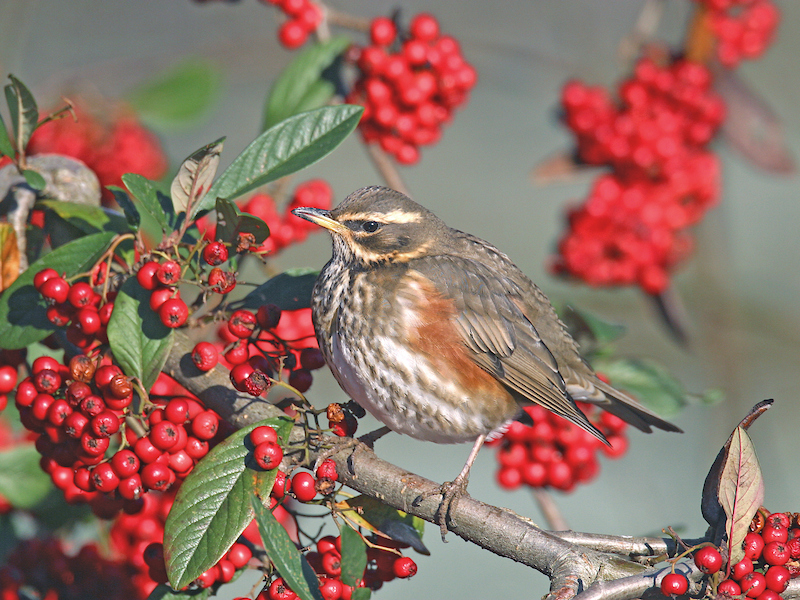
Redwing
It’s hard not to love a festive Robin, but let’s not forget another rouge-flaunting wonder, the Redwing (pictured above). A winter visitor and the UKs smallest thrush species, the Redwing can usually be found in flocks, munching on hedgerow berries across the countryside, often accompanied by similar thrush species, the Fieldfare.
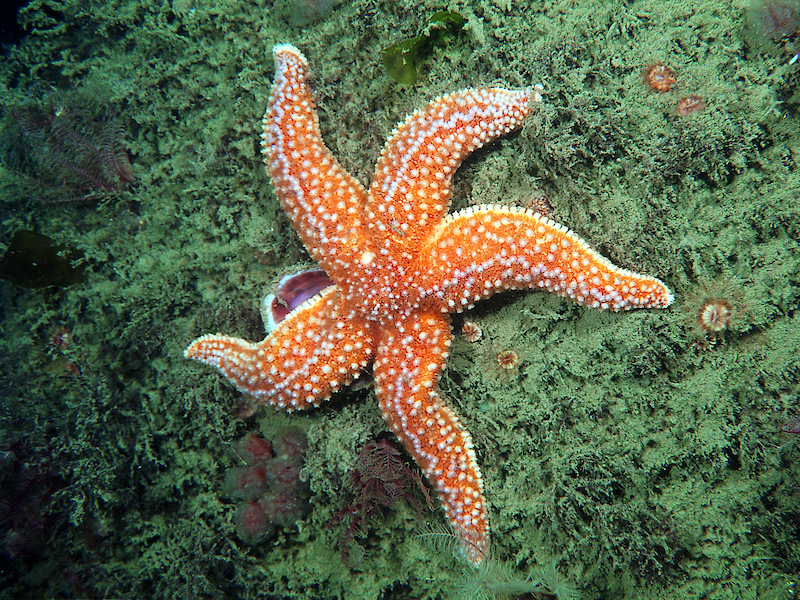
Common Starfish
With five glitzy arms and worthy of atop-the-tree grandeur, Starfish should surely be more celebrated festive creatures. Common Starfish are found throughout the year in UK seas and rock pools. They are a voracious predator of mussels and clams, which they feed upon by pulling open, inserting their stomachs inside the shell, and dissolving the contents with their digestive juices. A perfect Christmas dinner guest.
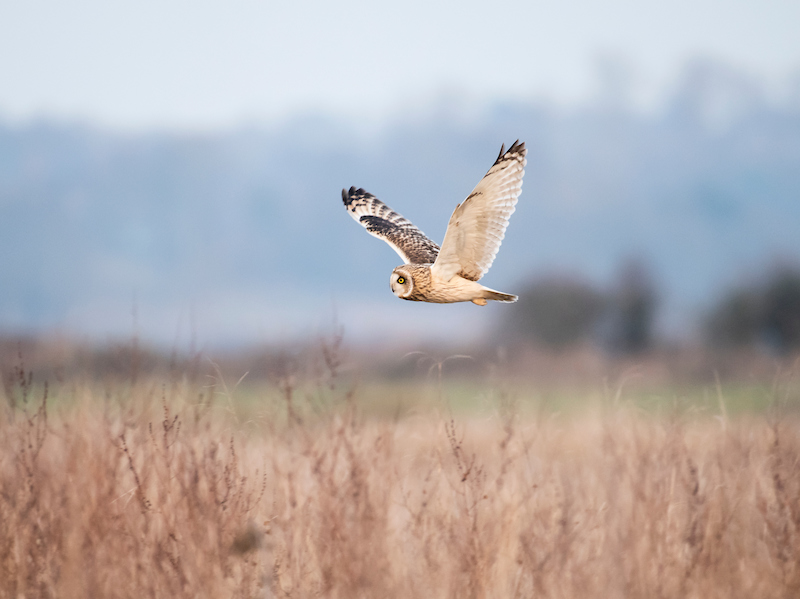
Short-eared Owl
Yes, there’s a Barn Owl in The Snowman and yes, it’s a magical delight, but there are other owls worth saluting at this time of year too. Breeding in Northern England and Scotland, Short-eared Owls bless Sussex and other coastal Southern areas with their presence during the winter months. Unlike other owl species, Short-eared Owls usually hunt during the daytime, making them a possible spot on a post-lunch Christmas stomp.
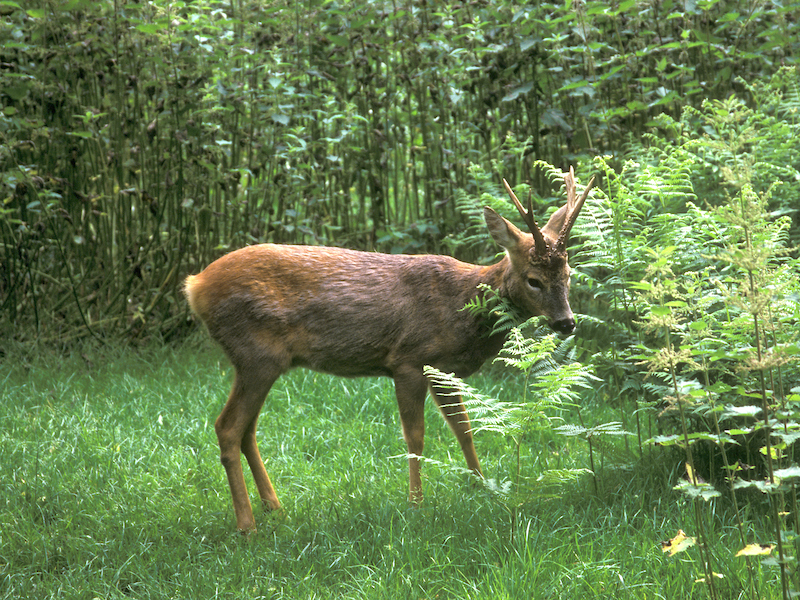
Roe Deer
Like people who work from home in December party season, Roe Deer are solitary for most of the year but congregate in small groups for winter. Favouring woodland habitats but also seen on farmland and grassland, Roe Deer have short antlers, no tail and a very boop-able black snout. As the UKs most common native deer, surely, they are due a Rudolph moment.
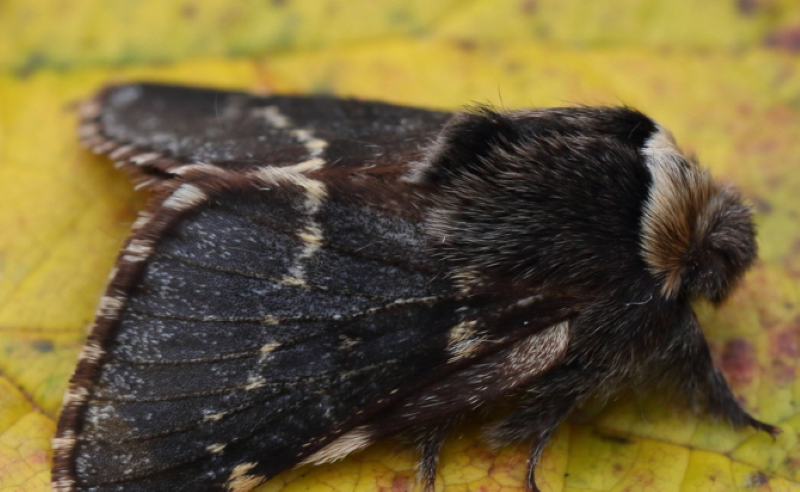
December Moth
How can such a suitably named insect have gone amiss from Christmas cards for so long? One of the few moth species to be seen flying in winter, the December Moth can also be identified by its dark fluffy body. Very unlike our habits at this time of year, adult December moths don’t feed at all, instead relying solely upon energy from food they consumed as caterpillars.