
A New Home for Wart-biters
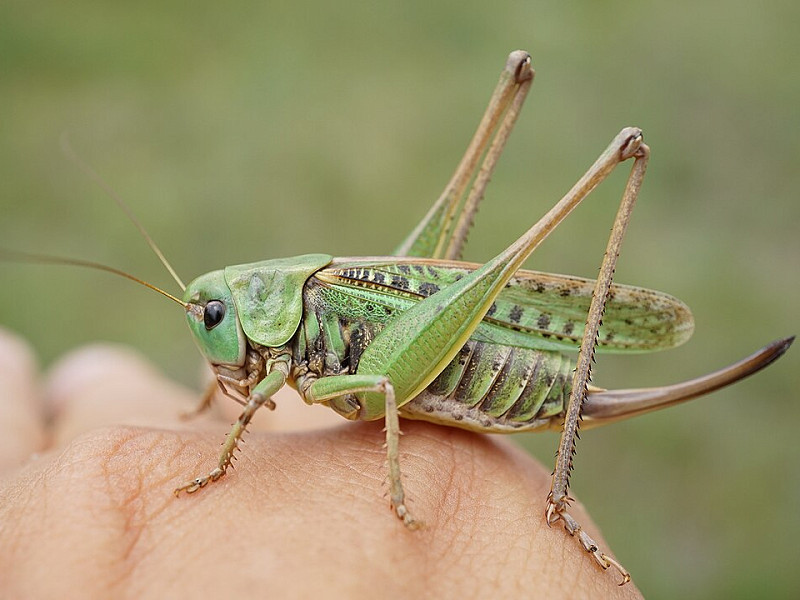
32 Wart-biters have a new home on the South Downs.
The Wart-biter Bush-cricket is one of Britain's most endangered insects, with only six known populations remaining across the UK.
Despite having wings, these remarkable insects are unable to fly more than a few metres - often leaving them trapped on isolated patches of high-quality chalk grassland.
"They're prisoners of their own habitat," says Alice Parfitt, officer with the Buglife 'Changing Chalk' project.
"Without human intervention, it is unlikely that they would be able to colonise new areas, as a result of habitat fragmentation, no matter how perfect the conditions in other areas might be."
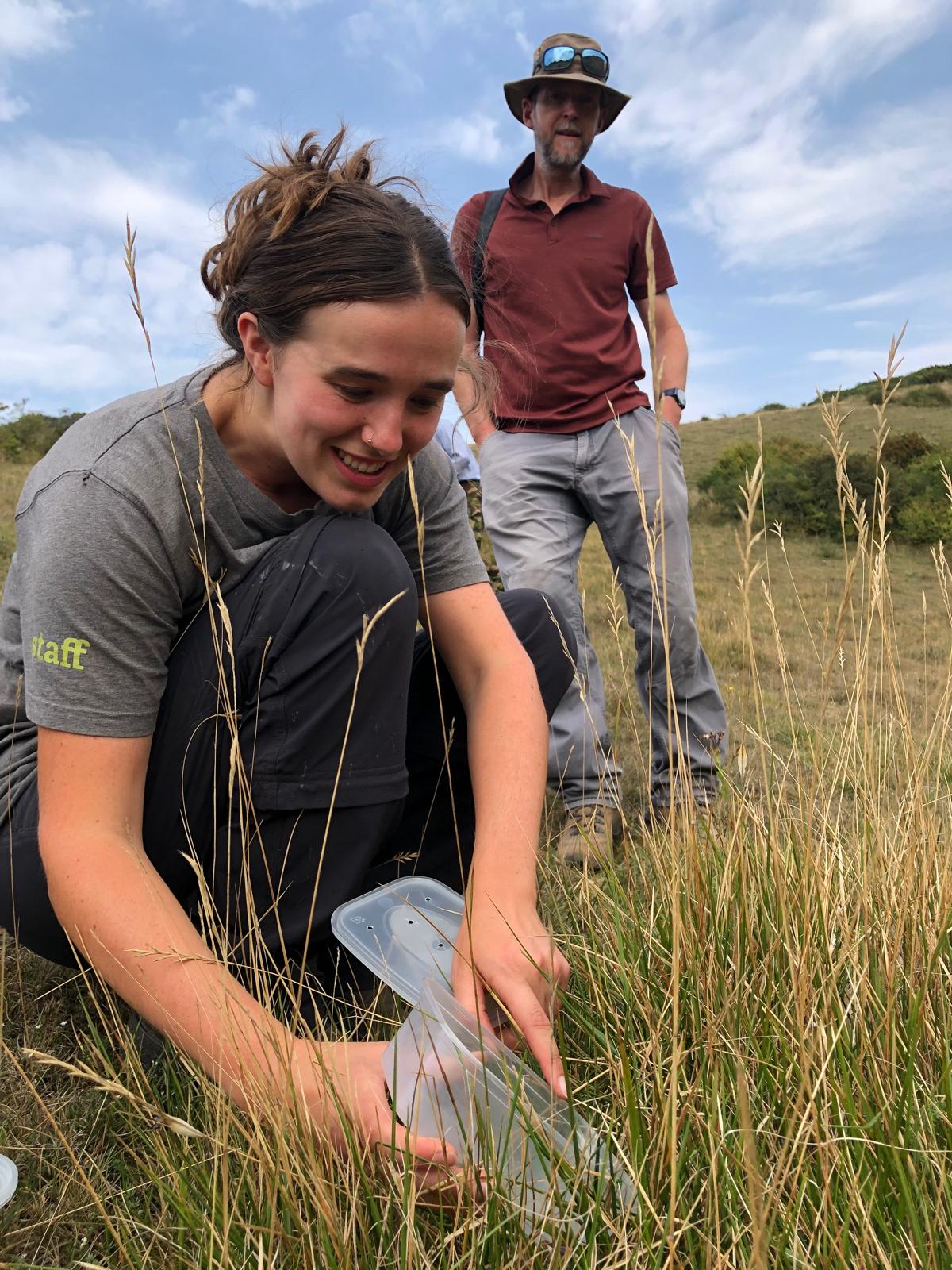
Together with partners Buglife and Natural England, and with support from The National Lottery Heritage Fund, Sussex Wildlife Trust has helped move 32 Wart-biter Bush-crickets from places where they're doing well to new suitable habitat.
Wart-biters get their name from a dubious practice of centuries past - using them to nibble the warts and calluses from human skin.
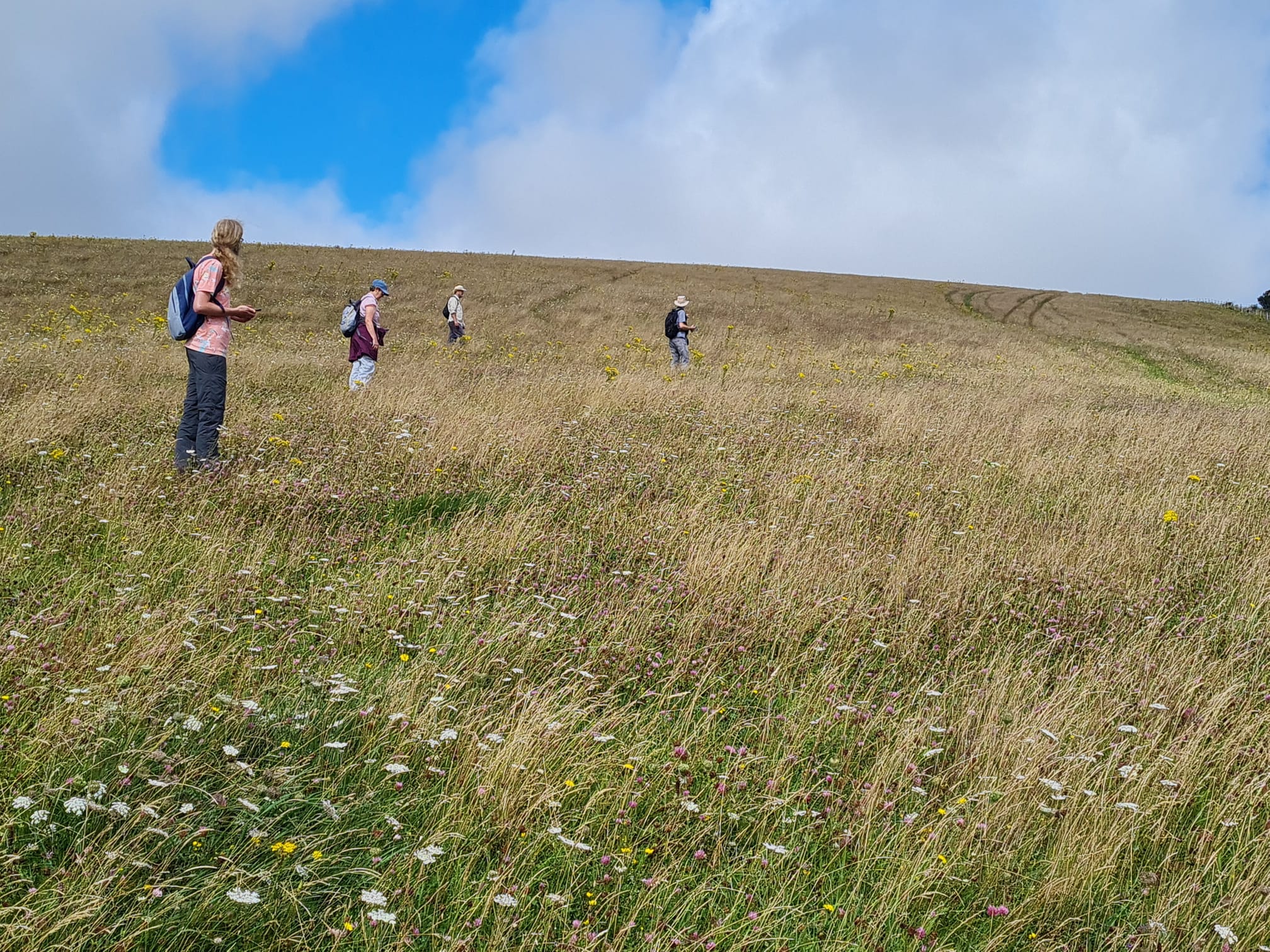
This summer's carefully orchestrated capture and relocation mission was made possible by dedicated volunteers who spent countless hours surveying existing populations through the Changing Chalk project. Their efforts have laid the groundwork for what we hope will become a successful new population.
"This year's translocation is just the beginning," says Mark Monk-Terry, Site Manager at Sussex Wildlife Trust.
"We're optimistic that with continued support, this site will hum with Wart-biter activity for generations to come."
Images by Alice Parfitt, Karim Vahed and xulescu_g (via Wikimedia, reproduced under Creative Common licence CC BY-SA 2.0)
.jpg)
Comments
Excellent work. What a splendid insect. I once found a live one on a bedroom window sill in Sussex. That was many years ago.
07 May 2026 11:15:00
Excellent news for this special insect. Fully support the reintroduction of all those things that man has helped to deplete over the years- hopefully we can also now begin to restore and join up fragmented habitats.
07 May 2026 11:25:00
Thankyou all for doing such great work.
07 May 2026 14:43:00
Hallo
We have found something very similar – Great green bush cricket in our garden on two occasions during the last 20 years; they were c3 inches long and the nearest record I could find was of a historical reference to a colony in Watersfield (we live in Coldwaltham) . Is this the same species?
07 May 2026 15:50:00
Sussex Wildlife Trust:
The Great Green Bush-cricket is quite a beast - our biggest, and reasonably common in Sussex, a different species to the Wart-biter.
More on the Great Green here
Amazingly beautiful crickets .. just lucky to spot one once in Castle Hill NNR .. so thanks to your good work I might be lucky again!
Thank you!
07 May 2026 17:44:00
Great work; wish I was there to help! They were ‘everywhere’ when I was a kid cycling about in Sussex in the early 50’s when I was a kid.
07 May 2026 23:55:00
This is brilliant
08 May 2026 08:30:00
Great news let’s hope the new colonies are able to expand, well done to all the teams
08 May 2026 19:58:00
Thankyou all for doing such great work.
09 May 2026 07:27:00
Well done to you all we have some tiny brown crickets in our garden by St Helens woods here in Hastings and last year had good numbers when fully grown Do they only live for a year do you know?
Best wishes Richard Jenyon
09 May 2026 10:50:00
Sussex Wildlife Trust:
Yes, After hatching, the insects only live for two to three months in nymph and adult forms. Eggs laid later in the year overwinter under cover and hatch the following spring to complete the cycle.
Great news let’s hope the new colonies are able to expand, well done to all the teams
09 May 2026 10:59:00
Thank you so much to all involved to do this very valuable work
09 May 2026 17:26:00