
A milestone for nature recovery in Sussex – Chyngton Brooks saltmarsh restoration granted planning permission
A milestone for nature recovery in Sussex was reached on Thursday 16 July 2026, as the National Trust’s project to restore 100 acres of saltmarsh at Chyngton Brooks was granted planning permission.
Our Conservation Manager, Charlotte Owen, spoke at the planning committee in strong support of this ambitious application, which is now a major step closer to delivery:
This exciting new project in the lower Cuckmere Valley presents a significant opportunity for essential action to be taken to address the climate and biodiversity crisis within one of the most iconic landscapes in the UK, with huge benefits for both people and wildlife.
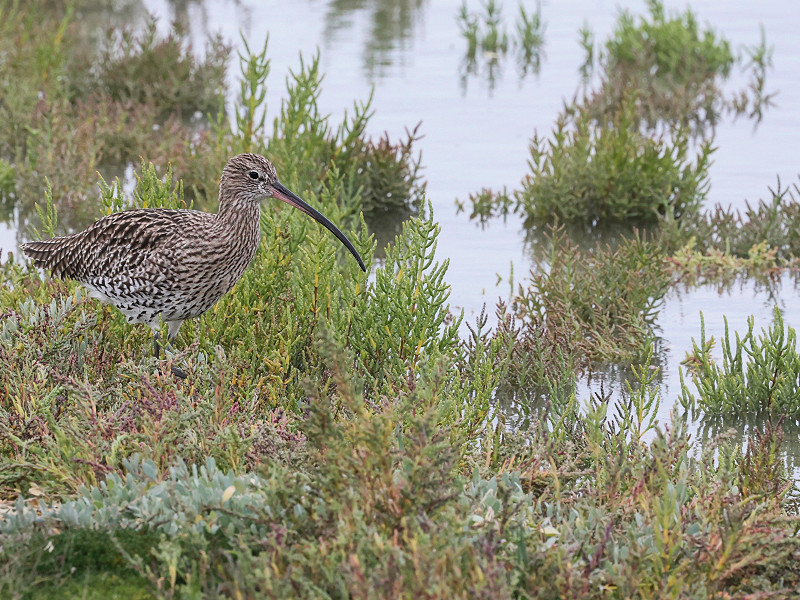
It will support the creation of vital saltmarsh, a dynamic coastal wetland exceptionally rich in biodiversity. Saltmarsh in Sussex supports internationally important populations of birds like Lapwing and Redshank, and provides vital nursery sites for juvenile fish, including commercially important species like Sea Bass. Beyond its biodiversity value, saltmarsh is a natural capital asset that plays a significant role in natural flood defence, protecting coastal communities from erosion and storm surges. It also captures CO2 40 times faster than woodland, locking it into the sediment for centuries.
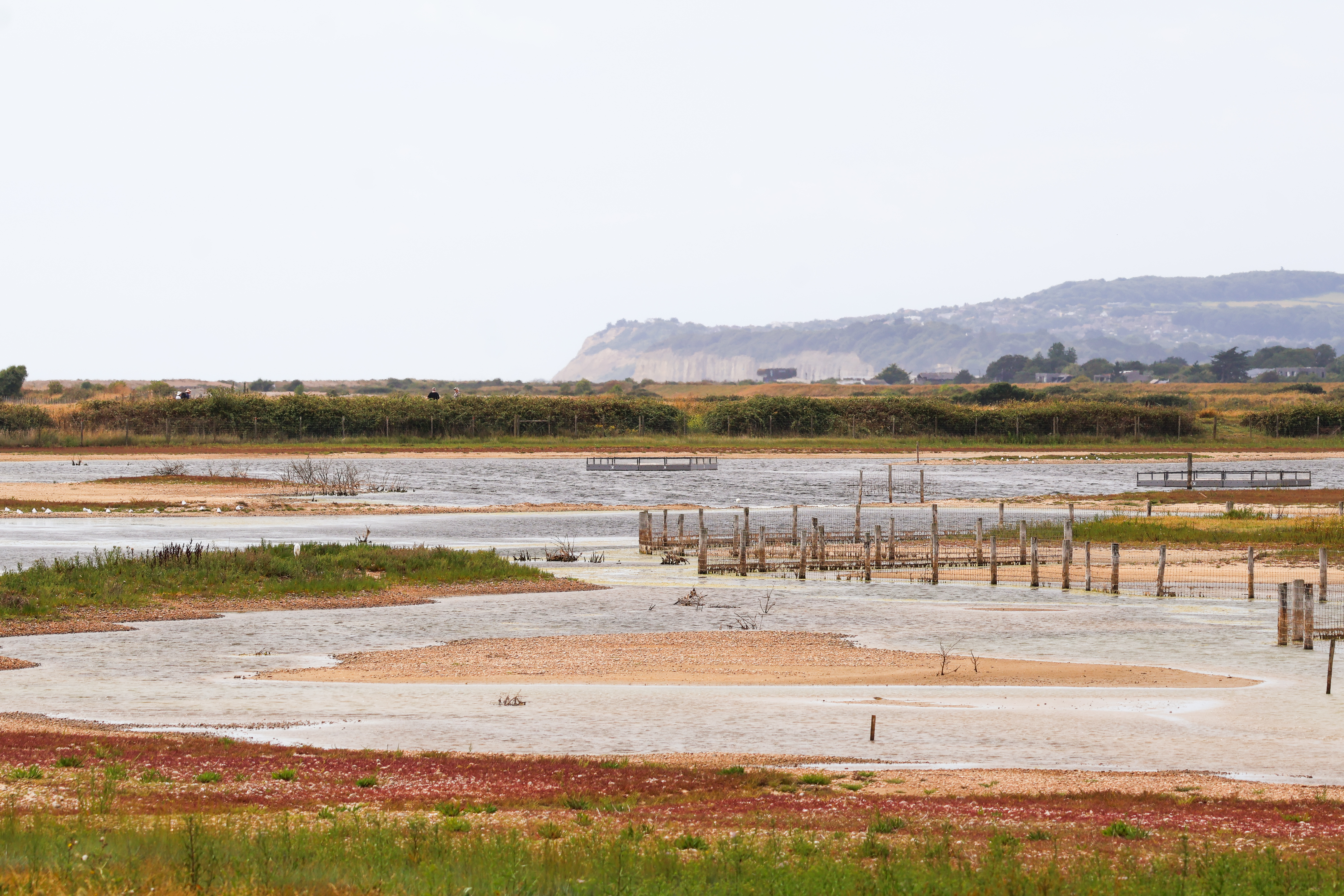
Saltmarsh is also incredibly rare. It only exists in a handful of places in Sussex and covers just 1% of the East Sussex coastline. By restoring 42 hectares, this application will create a 60% increase, adding much-needed resilience to the vulnerable saltmarsh stepping-stones along the Sussex coast, and boosting biodiversity and ecosystem services. There is almost nowhere else along our crowded coastline where this could be achieved, let alone at this scale.
And this isn’t just a nice to have – it’s a requirement. The project supports the priorities of the recently published Local Nature Recovery Strategy, introduced under the Environment Act 2021. It’s also in line with the emerging South Downs Local Plan policy position for the Heritage Coast.
This landscape is iconic, yes, but it’s also dynamic. The coastline is changing and will continue to change due to ongoing and inevitable climate impacts. It deserves a bold and ambitious approach to adaptation, which this project will show by working with natural processes, rather than against them.
Sussex is already home to the pioneering Sussex Kelp Recovery Project, the UK’s largest marine rewilding initiative, which is already demonstrating both the benefits of letting nature lead and the strength of public support that exists for this approach. This project will deliver more of the positive action for nature and climate that people want to see, alongside the hope and inspiration that we can do something about the situation we find ourselves in.
We’re delighted this planning application was approved. The National Trust’s project to restore intertidal habitats at Chyngton Brooks will help secure nature’s recovery in Sussex and deliver essential climate adaptation in this iconic location.
Comments
Chyngton brooks is not shown on my version of Google maps. Maybe you could add the boundaries to Google.
30 Jul 2026 10:32:00
Marvellous news. 👍🏻
30 Jul 2026 10:59:00
Does that mean the NT is taking yet another 100 acres of farmland out of food production!?
30 Jul 2026 11:30:00
Sussex Wildlife Trust:
The land is already owned by the National Trust - no additional land is being acquired as part of this project. The habitat is currently mostly modified grassland including coastal grazing marsh, with low levels of grazing.
Really pleased to hear this exciting news.
30 Jul 2026 11:33:00
Brilliant to see this rewilding happening so close to home and in this iconic landscape.
Congratulations to all who’ve put in the work to get us to this point.
I’d love to be involved – I’m involved in the Global Rewilding Alliance and live in the valley.
30 Jul 2026 11:36:00
This is great news.
30 Jul 2026 11:57:00
Sounds like good news – hope access will be better than Pevensey Levels, perhaps by design.
Will get my OS maps and try to identify where this is.
30 Jul 2026 11:58:00
Great news. Makes me glad that we are supporting both organisations when I see news like this. Thanks.
30 Jul 2026 11:58:00
30 Jul 2026 12:01:00
Sussex Wildlife Trust:
Thanks Nigel. We've now added a link above to the National Trust's project page.
Restoring Chyngton Brooks | National Trust
Brilliant news and a fabulous result for all concerned.Wishing this project ( and hopefully similar ones in the future) every success.Any map available online of the exact area ?
30 Jul 2026 12:08:00
Sussex Wildlife Trust:
Thanks David. Please see the National Trust's project page
Restoring Chyngton Brooks | National Trust
I Googled Chyngton Brooks and details of the restoration came up with an easy map to follow. The area is the land south from the pub, with the canal on the left and the open ground to the left as the area to be restored! I think !!
30 Jul 2026 12:26:00
Sussex Wildlife Trust:
Thanks Christine - yes, the map is here.
Restoring Chyngton Brooks | National Trust
Sorry I meant to say open land to the right!!
I’m also very pleased this is happening.
30 Jul 2026 13:23:00
Great news. Can SWT look at how the middle section of the Cuckmere (Hailsham/Horsebridge/Hellingly) can have protection from development and have water meadows restored? The Cuckmere is a wildlife corridor from the Downs, through the Low Weald, into the High Weald – and this is under threat.
30 Jul 2026 17:14:00
Sussex Wildlife Trust:
Hi Jim. We are part of the Cuckmere and Pevensey Catchment Partnership, working to improve the water environment. We also work hard to influence strategic planning, at a local plan level. You may find it interesting to look at the recently published East Sussex Local Nature Recovery Strategy (LNRS) which identifies important areas to target conservation effort in the area.
Wonderful news.
30 Jul 2026 18:16:00
Well done SWT and NT.!
31 Jul 2026 10:36:00
Marvellous news!!
31 Jul 2026 11:17:00
I remember a few years ago that this land was totally flooded, I think because of a problem with storm gates. The whole area became completely different, almost unrecognisable. The number of bird species I saw was far greater than I would normally see. I am really excited to see these new plans and am wondering how soon they will be implemented
31 Jul 2026 12:23:00
Fantastic news !! Please keep us (your members) updated on the progress of this project. I look forward to the day when we can visit this saltmarsh !
01 Aug 2026 21:17:00
So glad to hear all about this – all the best with the work! :) x
03 Aug 2026 15:09:00
Another success.
03 Aug 2026 17:47:00