
A celebration of Beavers
Matt Phelps
Species Recovery Officer
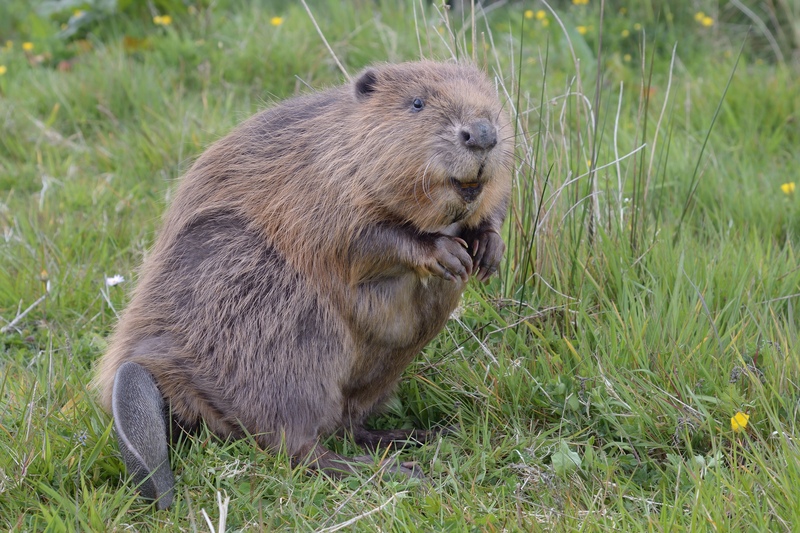
The Eurasian Beaver (Castor fiber) was once widespread across the UK until it was driven to extinction due to overhunting for its fur, meat and castoreum [a yellowish substance from the castor sacs of mature Beavers. Beavers use it in combination with urine to scent mark their territory].
The Eurasian Beaver is the largest rodent in Europe and second only in size to the Capybara, on a global scale. It is also slightly larger than the only other Beaver species in the world – Castor canadensis of North America.
In the intervening 300-400 years since Beavers were last widespread in Britain, our landscapes and waterways have seen many changes, not least the loss and degradation of habitat and the increase in occurrence and severity of extreme weather events due to climate change. With floods and flood defences now costing the UK over £2 billion a year, and over 5 million houses at risk of flooding, there has been a shift in focus to more nature-based alternatives to existing engineered flood mitigation measures. The ecosystem services provided by Beavers have been widely documented, including making more watercourses and riverside communities more flood resilient. In addition, the damming activities of Beavers enable landscapes to hold back more water, which brings a host of benefits to plants and animals, both wild and cultivated, in drought events. The extinction of Beavers has had a profound effect on their former surroundings, and the health of our aquatic landscapes.
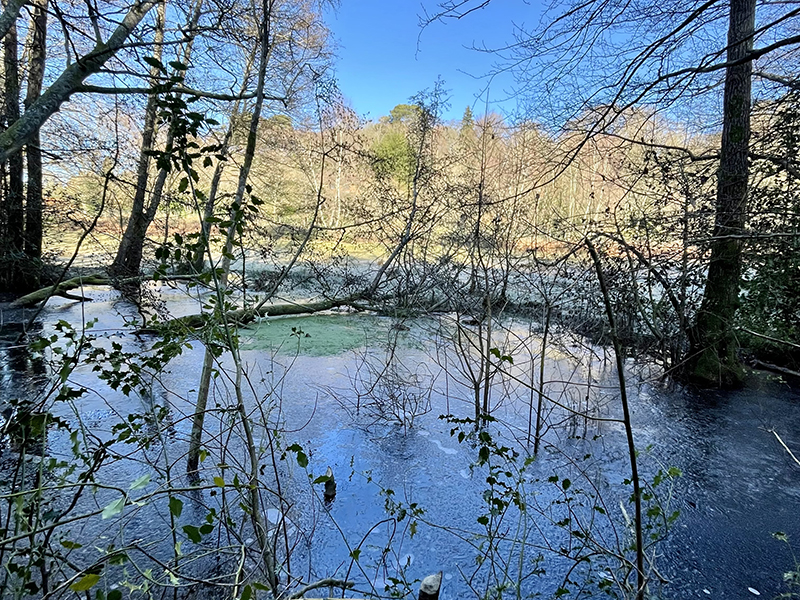
Beaver dams slow the flow of water running into rivers, with some studies showing at least sixty times increase in the amount of time taken for water to pass through a landscape containing Beaver dams. Similarly, in periods of drought, landscapes containing Beaver dams and canals have been found to retain 60% more water than in equivalent landscapes without Beavers present. In North America, the wetlands created by Beavers act as natural fire breaks, providing valuable refuge areas for wildlife.
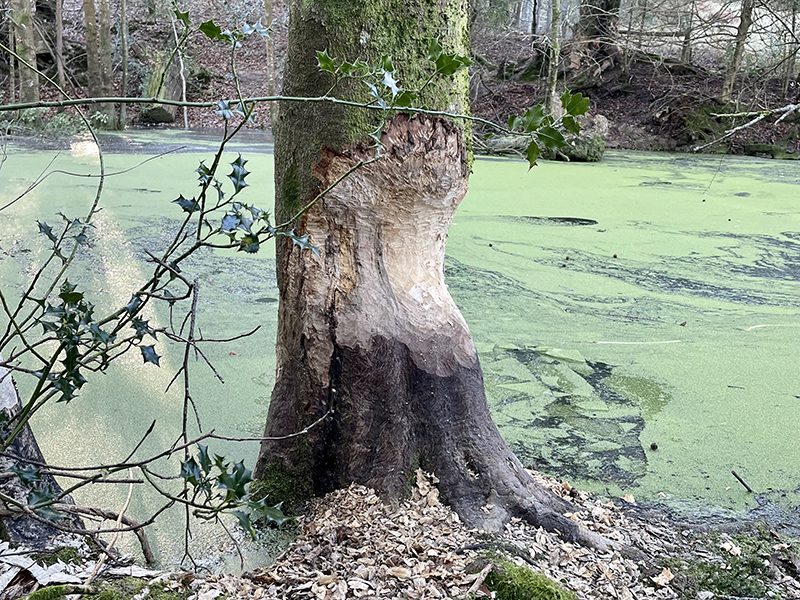
Another prominent issue at present is the increasing problem of pollution caused by agricultural run-off and untreated sewage in rivers. Water flowing downstream of Beaver dams is proven to be clearer and cleaner than it is when it enters the dam network, as sediment and pollutants (for example, nitrates and phosphates) are filtered out. The wetland networks created by Beaver dams then becomes a store for sediment as well as sequestering carbon. The latter is especially true of the lush ‘Beaver meadows’ or lawns created by Beavers cropping down areas of open grass within their territories.
At the last count, in 2021, there were more than 400 Beavers living in at least 60 territories in southern England, though these numbers have likely increased further in the intervening three years, with the total UK population is thought to be somewhere in the region of 2,000 individuals now. Escapees from various enclosures, combined with deliberate but unauthorised releases, while unhelpful from a legislative point of view, have proven that Beavers are capable of not just surviving but thriving in the wider landscape. Though absent from the UK for centuries, clearly the Eurasian Beaver has no problems when it comes to adapting to living in the modern British landscape. 28% of watercourses in the UK are thought to have suitable habitat for Beavers.
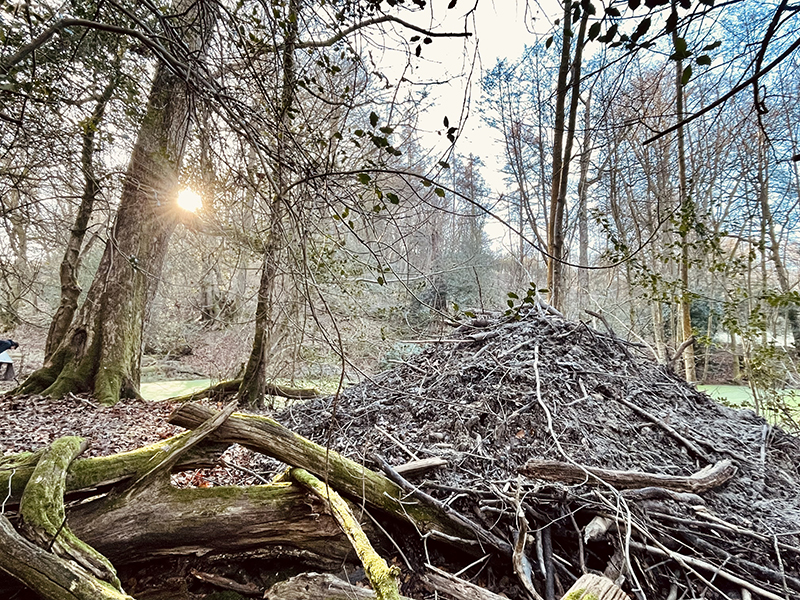
The re-introduction of Beavers into a landscape is very much the start of a journey of re-discovering the potential impacts (good and bad) that these native animals can have on our landscapes. Whilst Beavers live at low densities, their relative impacts on a river catchment will likewise be low. Issues which may arise with Beavers can be dealt with quickly and easily at this scale. However, at high densities, management interventions may be necessary in some locations. The Beaver Trust have a range of mitigation options on their website.
Beavers are now formally recognised by Defra and the UK Government as a native species, and measures are being put in place to manage their return across England. Rather than single, fenced enclosures, national policy has now changed to encourage licenced releases of Beavers at a river catchment scale. Any releases at this scale will need to show comprehensive public and stakeholder engagement prior to a release. Sussex Wildlife Trust is supporting the proposals for catchment-scale restoration of Beavers.
Comments
Absolutely brilliant news – really pleased SWT is supporting catchment scale restoration.
Now for other endeavour to reintroduce previously indigenous species ( now sadly extinct in many areas )- as is actually required, where feasible, by existing legislation.
11 Apr 2024 10:22:00
Are Sussex wildlife thinking of introducing Beavers in West Sussex where there has been flooding? I would be thrilled if they were.
11 Apr 2024 12:24:00
Excellent coverage of information to help people understand the many, many benefits of the re-introduction of Beavers.
Continue your good work!
11 Apr 2024 12:35:00
Beavers are my favourite animal and the reason why I donate every month. They are a keystone species and they can hold their breath for 15 minutes! They have 2 layers of fur! Please do everything you can to reintroduce these amazing animals. Good luck with your restoration proposals. You could look into what they are doing in Germany to prevent them from causing damage (by playing tapes of running water!)
11 Apr 2024 13:44:00