
A Badger's Brave New World
By Kerry Williams
Communications Officer - Conservation
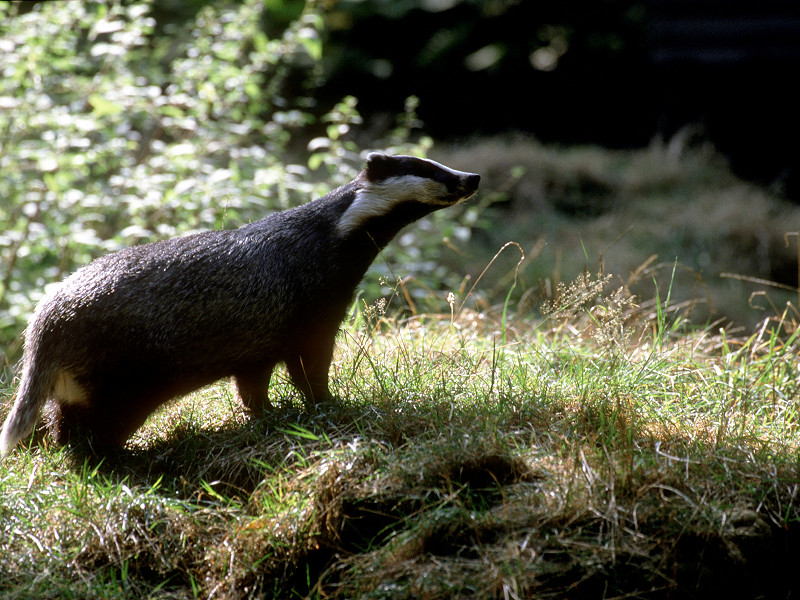
The Badger is a UK icon. Our largest predator, this monochrome mustelid is a star of the classics; Wind in the Willows, Beatrix Potter, and a certain well-known charity’s logo. Often misunderstood, they are also loved by many, and some would argue there’s not much better than a Badger, except perhaps, a Badger cub.
Deep in the sett, the Badger burrow, cosy chambers are lined with vegetation collected by the females. Cubs are born around February, but tiny stripey noses don’t peek out for 12 weeks, when they emerge in spring. It’s a big new world to explore, and stranger than it once was.
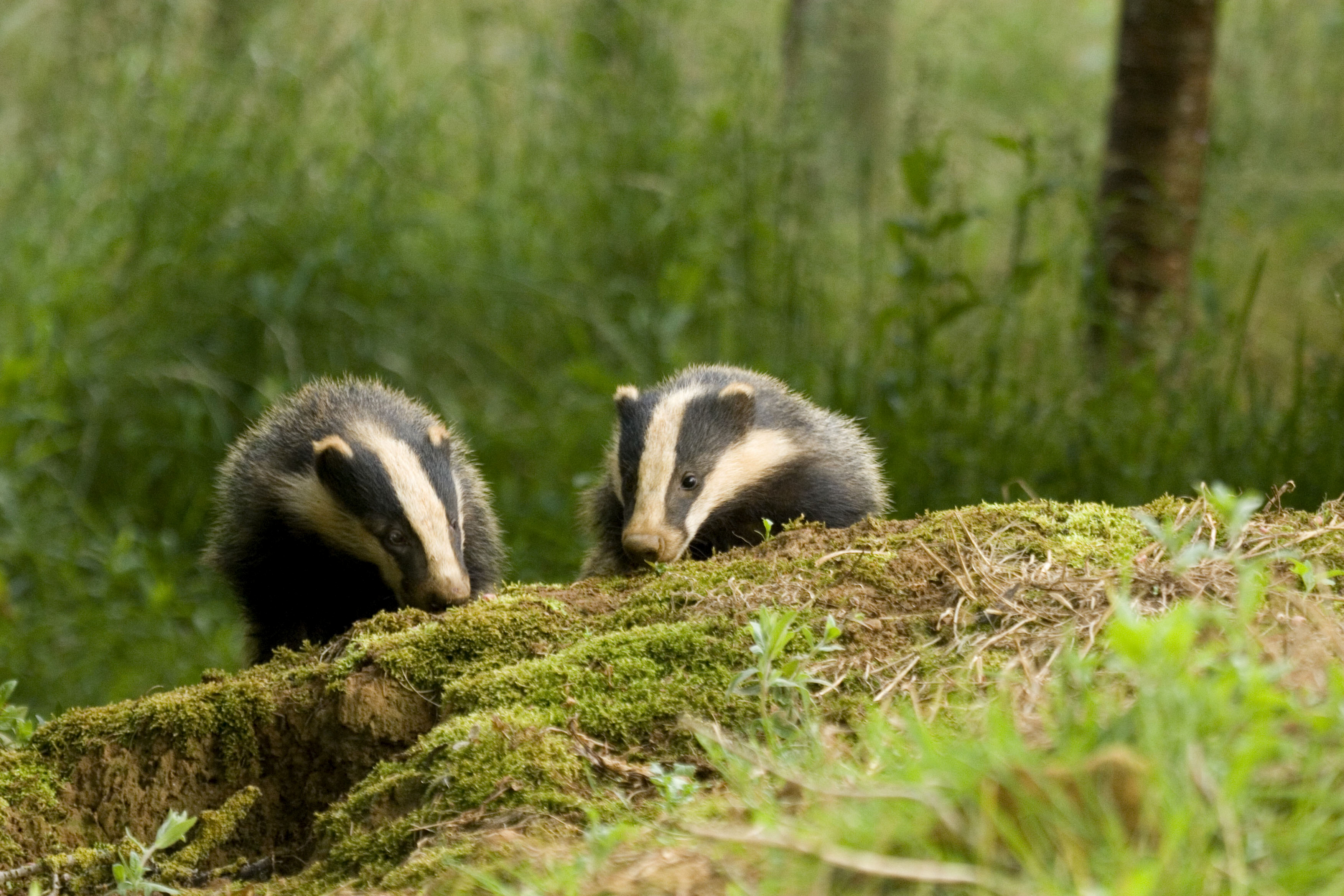
Their ancestors would have trundled about acres of ancient woodland; towering veterans and thick, sheltered understorey. Ventures into wildlife-rich farmland would have been commonplace for plentiful omnivorous feasts of insects, fruits, and juicy worms slurped from thick, fertile soil. Without trying, children may have spotted these Badgers for real, on summer evenings humming with biodiversity.
For these new cubs, it’s a different story, where invertebrates are often scarce, soil hard, and movement restricted. Seasons have shifted, weather is more erratic, and precious habitats rarer. It’s a story where thousands of their kin come to undignified ends on our busy roads, pesticides kill off much of the food, and the future of the family sett is unsure.
But the former isn’t a fable, it’s a reminder.
It is possible that these cubs, tumbling unexpectedly out of woodland boundaries, might not be met with hot, confusing concrete, but buzzing wildflower road verges; a heads up for the danger ahead. They might cross these risky highways via green wildlife bridges. They could travel with confidence through well-connected gardens and urban green spaces, staying safe along dense hedgerows and taking respite in deliberately dark nocturnal pockets.
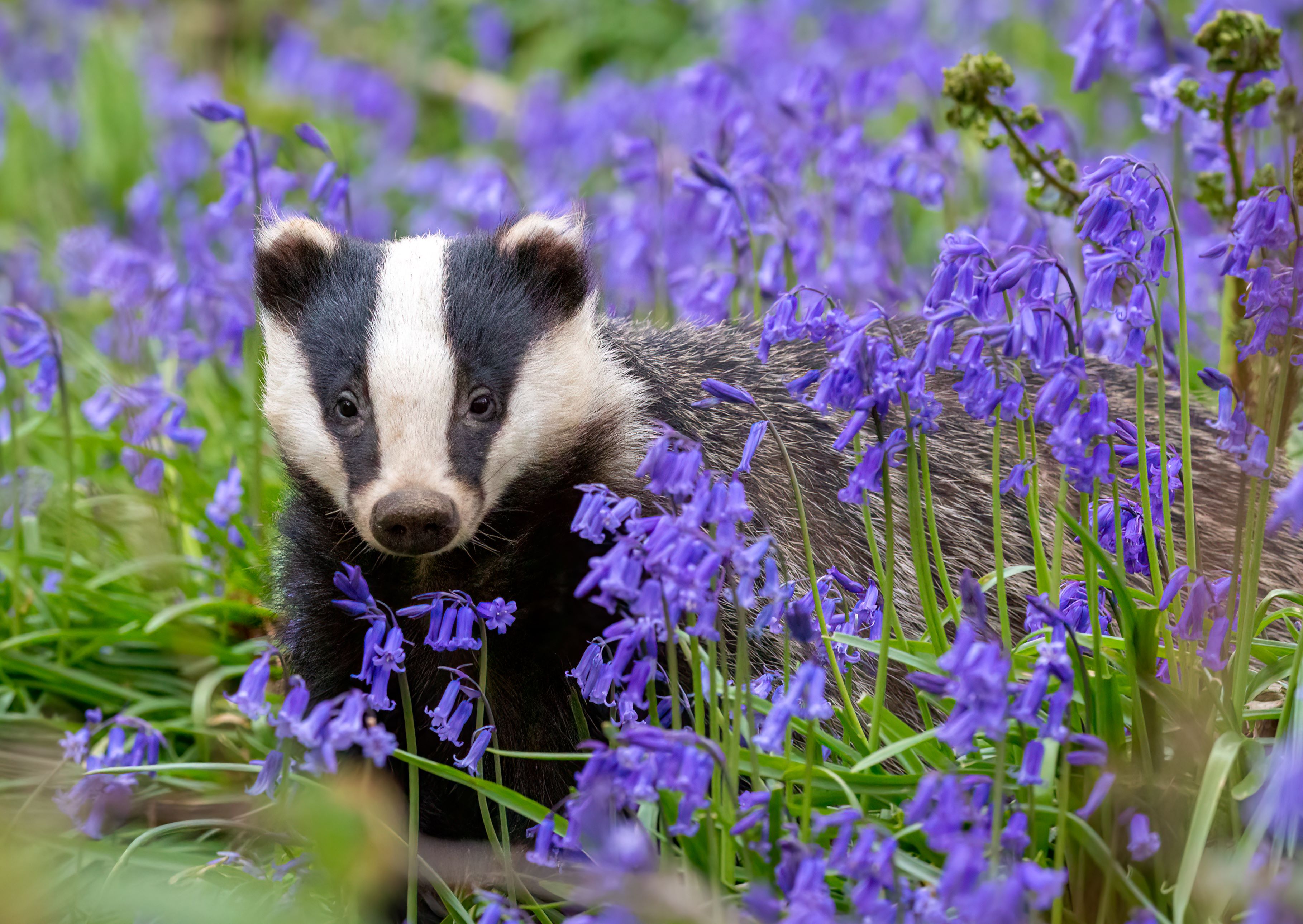
They might once again take advantage of a bulging buffet, in our unmown and pesticide-free parks and lawns, in deep field-side buffer strips and in reinvigorated sickly-sweet native Bluebell woodland. We could better appreciate and understand Badger behaviour and needs, engage and connect communities, and inspire a younger generation. Their habitats could be fiercely protected, and their setts saved.
It sounds idyllic, but it doesn’t have to be fiction - it’s achievable and in reach. We can reset our expectations, recreate those lost habitats, and rewrite the story for our Badgers.
Comments
Love the thought of badgers and the new brood being born around this time of year. We are lucky to have our own family in the meadow behind the house although it is of concern when the River Uck floods. They seem to be able to survive this inconvenience so far and we can hear them chattering away late at night. The meadow is a resonable source of food evidenced by the ever growing number of holes being dug. At least they do not have to negotiate the busy roads around Uckfield.
26 Mar 2026 11:34:00
Interesting choice to leave out the threat badgers face from the government TB cull which has caused local extinctions in parts of the country. Hopefully one day it won’t be, but it is at present.
26 Mar 2026 13:25:00
Sussex Wildlife Trust:
Hi Gaby. You can find our position on the Badger cull here - Badgers and bovine TB | Sussex Wildlife Trust.
Indeed- let’s stay optimistic and continue to work hard for the future of our wildlife. Need to reverse years of decline but with effort and enthusiasm we can achieve success.
26 Mar 2026 14:18:00
The badgers must be protected. Causways under busy roads would allow safe road crossing. This is job for our local Councils with funding assistance from Government.
26 Mar 2026 16:03:00
Wonderful animals. There is a large colony in the fields behind our house where they have lived undisturbed for many years. It used to be farmland then we rented it to keep our horses on. The owners have been hoping to build houses there for many years but because of its proximity to Ashdown Forest and other factors planning has been refused. Now we’ve heard that low impact housing is to be built there. We’re sad about this as it’s such a wildlife haven for deer, badgers, foxes, trees, plants etc. The fields have rapidly reverted to woodland. Are the badgers protected in any way? What can we do if anything? The land is in Crowborough where there is already far tioo much new housing development. Can you advise us please?
27 Mar 2026 11:55:00
Sussex Wildlife Trust:
Hi Pamela. If there is a planning application for this proposed development you can comment on the application online via your local authority planning portal (for Crowborough this will be Wealden Planning Register - Wealden District Council). Badgers and their setts are protected in the UK, and so it is illegal to disturb or harm them, or to destroy setts. The presence of the badgers should be taken into account in the ecology reports as part of the planning application (you should be able to find these documents on the planning portal). You could also log the badgers sett via iRecord - this shares the information with the Sussex Biodiversity Records Centre and ensures they are properly logged, and you can also do this via Badger Trust . You can also engage with the Sussex Planning Network for Nature which has information on protected species, planning resources, and is a way to connect with other likeminded people who are concerned about development in Sussex.
We have badgers living in the ‘wild strip’ at the bottom of our communal garden, as well as foxes, surprisingly in apparent harmony. We see tbe foxes daily but the badgers are rarely seen; their den and pathway is evident. We keep an eye on any planned developments or potentially threatening behaviour. It is such a privilege to have this mini nature reserve.
27 Mar 2026 13:00:00
I saw one at night in the Crouch gardens in a very built-up area of Seaford, E Sussex BN25
27 Mar 2026 14:02:00
Great article. A shame our government seems to think they need culling though. Luckily I live on the outskirts of town and have seen badgers in the local wood. Part of my property includes a run but it is not accessible because neighours have blocked the pathways and the council do not care to enforce the covenants protecting this.
27 Mar 2026 19:29:00
It’s so sad that we are making life so hard for these children iconic animals. When I first moved to Newhaven over two decades aged there was abundant wildlife in the community and in my garden. Its decline has been very noticeable with much development. Its tragic
28 Mar 2026 18:07:00
I have a family of badgers living in a sett at the bottom of my garden. I feed them peanut butter or pate sarnies at night. They literally tap on my back door to ask for their tea every night. They are wonderful and I feel honoured that they are living near me. They are very friendly.
03 Apr 2026 16:31:00