
30% more admin or 30% more nature for our protected landscapes?
Tor Lawrence
Chief Executive
England's National Parks and Areas of Outstanding Beauty (AONBs) are legally designated landscapes, safeguarded for the national interest. These unique and special landscapes make important contributions to the economy, society and our national identity. They should be exceptional, however in reality they are a mixture of beauty, treasure and degradation.
In 2019 the Glover review of designated landscapes was widely consulted on. This review clearly stated that nature has been in long-term decline in our protected landscapes. This repeated the sensible messages in the 2010 government commissioned report led by Sir John Lawton, which was explicit about the crisis of nature and what needs to be done to bring about a recovery – bigger, better and more joined up. Just over a year ago, the Government made a commitment to protect 30% of land for nature by 2030. If all these combined intentions and common sense statements were already being implemented and taken into account in all relevant decision making our designated landscapes would have a chance of being wilder, and we would all be already benefiting from the cleaner water, improved wellbeing, carbon storage, fresher air and so much more.
The Government has responded to the 2019 Glover report proposals that they commissioned, stating that National Parks and AONBs should be better for nature and people. They have announced a consultation on their responses.
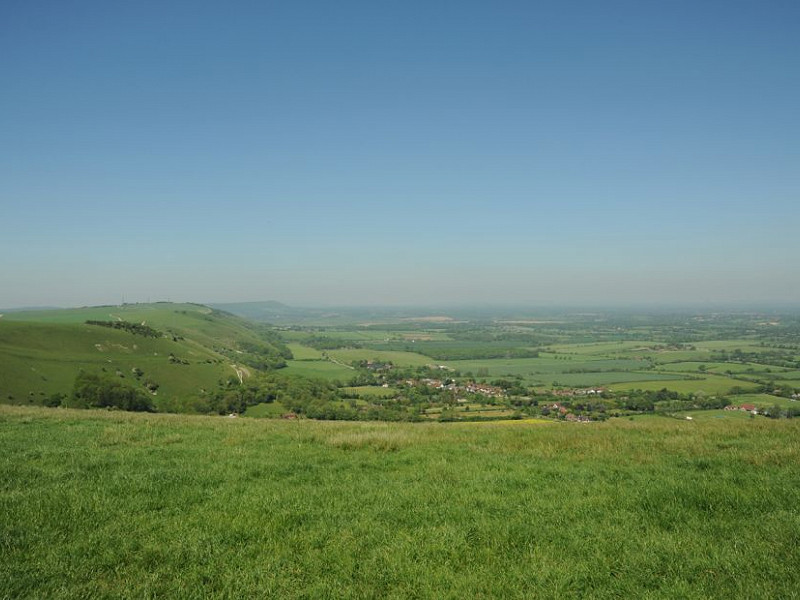
In Sussex we have the South Downs National Park, the High Weald AONB and Chichester Harbour AONB. All of these important landscapes are under pressure from a range of different challenges and have many internationally important wildlife sites that are not in a poor state for wildlife. Chichester Harbour’s water is suffering from significant pollution and pressure from development. The High Weald is continuously under pressure from a range of inappropriate development proposals such as Center Parcs. The South Downs' agricultural landscape has previously left little room for nature within the National Park, with the exception of some very far sighted farmers. Our iconic Heritage Coast within the South Downs represents very dramatically and visually the challenges that the environment faces, particularly in terms of the climate challenge, but also agricultural pressures and recreational demands. . In 2020 Natural England reported that only 26% of the formally protected land within national parks is in ‘favourable’ or good condition although Wildlife and Countryside Link – a coalition of 64 voluntary organisations which the Wildlife Trusts are a member of - puts the real figure of land protected for nature at only 3%.
We know that we are facing a nature emergency - around half of the UK’s wildlife has decreased since 1970, with 1 in 7 species now at risk of extinction. These landscapes can play a crucial role in tackling the climate and nature emergencies but they are not doing that at the moment and seem beset by circular governmental conversations, which state what is common sense, already clear in law.
We all know already we need more wild places in our designated landscapes, we need them to be more connected up and we need visitors to look after them. We must be bolder and we need to act faster, together with local government, water companies, developers, farmers and a range of different stakeholders. If this Government is serious about its ambition to leave the environment in a better state for the next generation, it must be committed to rapid culture change as well as action for wildlife - not simply to create 30% more reviews, meetings, structures, plans, laws, consultations, strategies, maps, discussions, re-namings, and reports. Whilst of course many of the government proposals may prove beneficial, they will take time, which nature does not have. We must now see more leadership, culture change and critically the upholding of existing legislation to protect nature and real and rapid change in an emergency.
We will be continuing to take action for nature as well as responding to this latest consultation and we urge everyone to do the same. It can be found here until the 9 April 2022: Government response to the Landscapes Review