30 Days Wild diary: Week 4

By David Philips
Guest blogger
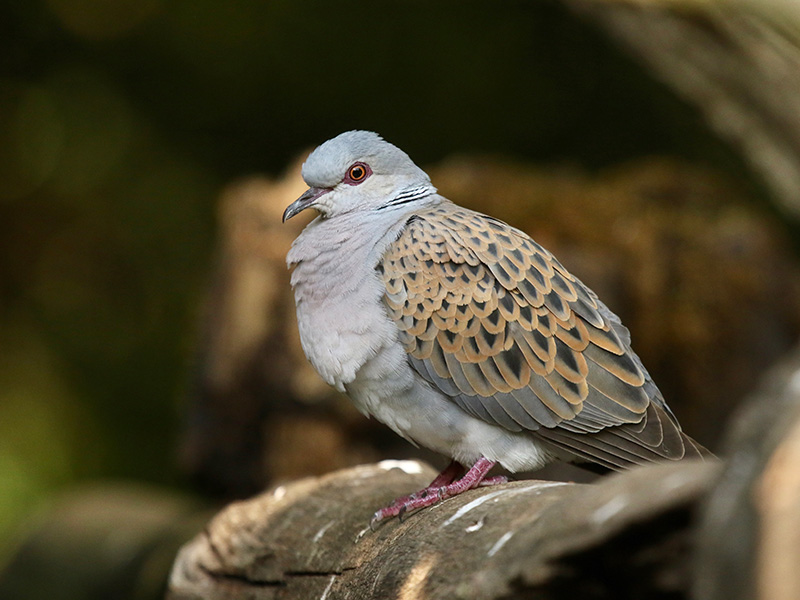
I was fortunate enough this week to spend a day on the Knepp Estate photographing Little Owls. Knepp has been widely recognised for showing how forgiving the natural world can be if we just give it a fair chance to recover. This "re wilding", or rather Wilding as it is referred to in the book that tells the story of the estate, provides a sustainable way forward to really deliver on promises made following COP26 when the UK hosted this World Summit on climate change and biodiversity. Examples such as Knepp have shown how we can restore populations of critically endangered species such as Turtle Dove (which has suffered a 98% decline in numbers since the 1970s), assist in the reintroduction of species that have become extinct and yet provide a sustainable farming future that is in harmony with nature.
Whilst many enjoy visiting the excellent nature reserves managed by bodies such as Sussex Wildlife Trust and the RSPB, much of our other 'open countryside' appears devoid of wildlife compared to even 20 years ago. My recent visit to Knepp reminded me of what that countryside used to be like - and could be again. With the UK being acknowledged as one of the most biodiversity depleted countries, I was therefore disappointed to read recently that the UK appears to have rowed back on a pledge to allocate at least a third of the overall agriculture budget to nature's recovery. Nor has Government apparently taken on board its own specialist's recommendation that farming within our protected landscapes (National Parks and AONBs) should be focussed upon nature recovery. I do not blame farmers, but rather the policy makers.
The Wildlife Trusts have this week suggested that members could engage in campaigning as part of their 30 Days Wild. Why not ask your MP why, after decades of science and many months of consultation we still haven't banned the commercial extraction of peat, when we know this is extremely damaging to our environment? Why we have still not agreed to the reintroduction of Beavers, again after lengthy consultation and when numerous trials have shown these eco-engineers can successfully recreate lost habitats, increase biodiversity and reduce flooding? Where is the action plan on the sustainable use of pesticides that was promised? The list goes on, but the main point is to let the Government know that you care about these things.
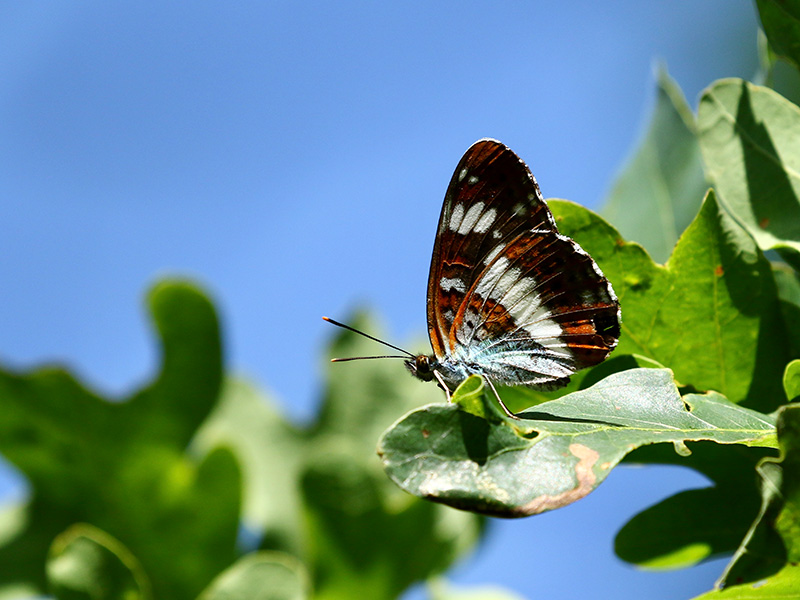
The latest Red List of butterflies published last month shows a 26% increase in species threatened with extinction. Some species have fared better however and I am fortunate in having two reserves nearby that have shown how careful management can restore populations of threatened species, such as Pearl Bordered and Small Pearl Bordered Fritillary. This recent spell of fine warm weather has resulted in good numbers of Marbled Whites, Small Tortoiseshell, Comma, Painted Lady, Peacock, Small and Large Skippers, in addition to my first White Admiral of the year. A fitting end to a good day's walk from a species that is now beginning to spread from the south and was indeed the former logo of the Sussex Wildlife Trust.