
Common Whelk
Scientific name:
Buccinum undatum
About:
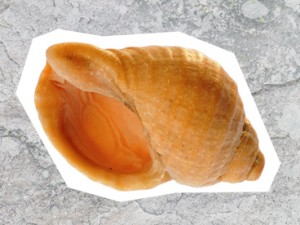
Lives on sandy, gravelly and muddy coasts, below the low tide mark. This is the largest snail-like shell you are likely to find on our beaches, up to 10cm long. Lays its eggs in a spongey mass, which are often found washed up on beachs.
How to identify:
<p>Whelks are more pointed than periwinkles. The common whelk is much larger than the dog whelk, not as coarsely ribbed as the netted whelk and more rounded than the oyster drill.</p>Where:
Found all round our shores.
Fantastic facts:
Whelks are collected for food, and taste wonderful with vinegar and white pepper.